

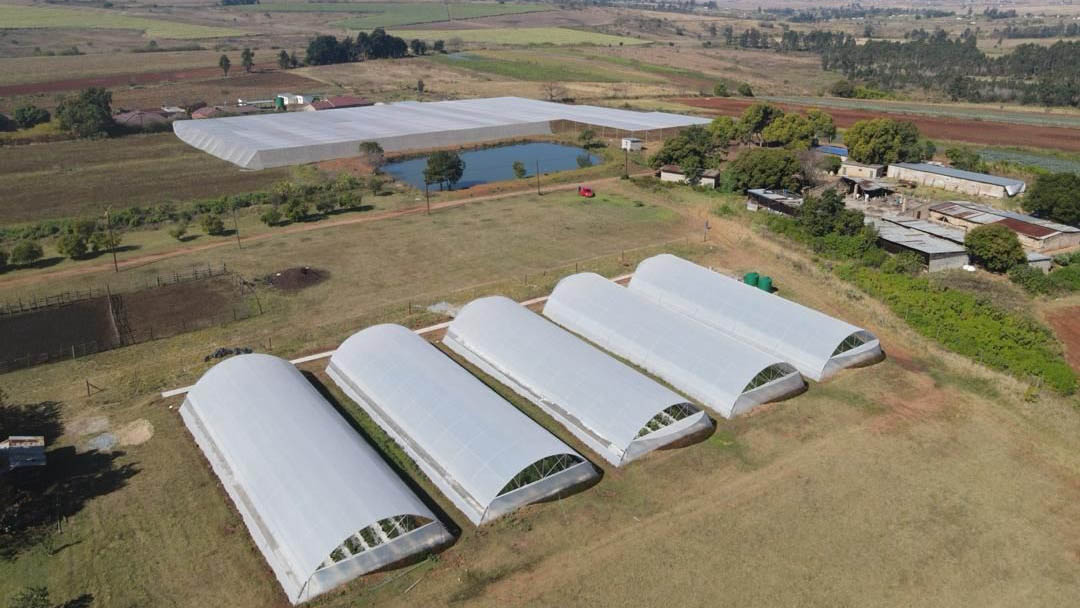
In our ever-changing world, tunnel farming has emerged as a groundbreaking solution. Organisations like the Centre for Financial Inclusion through their FINCLUDE project, have come out to pledge support and funding to farmers who have shown interest in tunnel farming. A good example being Eswatini Agri-tech Solutions, run by a youth liSwati Menzi Vilakati, who invested in two tunnels worth E480 000.
As we delve into the significance of tunnel farming with Nkosinathi Dlamini, a Project Coordinator at Woman Farmer Foundation (WFF), we reveal its capacity to maximise productivity, ensure year-round harvests, mitigate environmental challenges and empower farmers. He says tunnel farming offers a range of benefits that can be very attractive to farmers. Here are some of the key reasons he highlights as important:
Extended growing seasons: Tunnels create a controlled environment, allowing farmers to regulate temperature, humidity and ventilation. This means they can protect crops from frost and extend the growing season for produce that would not normally survive colder weather. This can lead to more harvests per year and increased yields.
Crop protection: The tunnel structure acts as a barrier, safeguarding crops from pests like insects and birds. It can also help with disease management by controlling moisture levels and allowing for targeted application of pesticides or fungicides when necessary. This reduces crop loss and damage, leading to higher quality produce.
Water conservation: Tunnel systems can be designed to maximise water efficiency by minimising evaporation and allowing for drip irrigation techniques. This is especially important in areas with water scarcity.
Year-round production: In some cases, tunnels can facilitate year-round production, allowing farmers to grow crops even during harsh weather conditions. This can provide a stable income and meet consumer demand for fresh produce throughout the year.
Potential for higher profits: With increased yields, better quality produce and reduced losses, tunnel farming can lead to higher profits for farmers.
He mentions that tunnel farming involves a cycle of activities throughout the year, from initial setup to ongoing maintenance and harvest.
Here are a few steps he highlights which are involved in operating a successful tunnel farm:
Planning and setup
Site selection: Choose a well-drained area with good sun exposure and access to water.
Tunnel design and construction: Select a durable high tunnel frame material (steel pipes are common) and choose a UV-resistant plastic cover. Consider ventilation options (doors, roll-up sides) and irrigation systems during the design phase.
Soil preparation: Test your soil and amend as needed to ensure proper drainage and fertility for your chosen crops.
Planting and crop management
Crop selection: Choose crops suited to a controlled environment and consider factors like temperature, light requirements and growing season length.
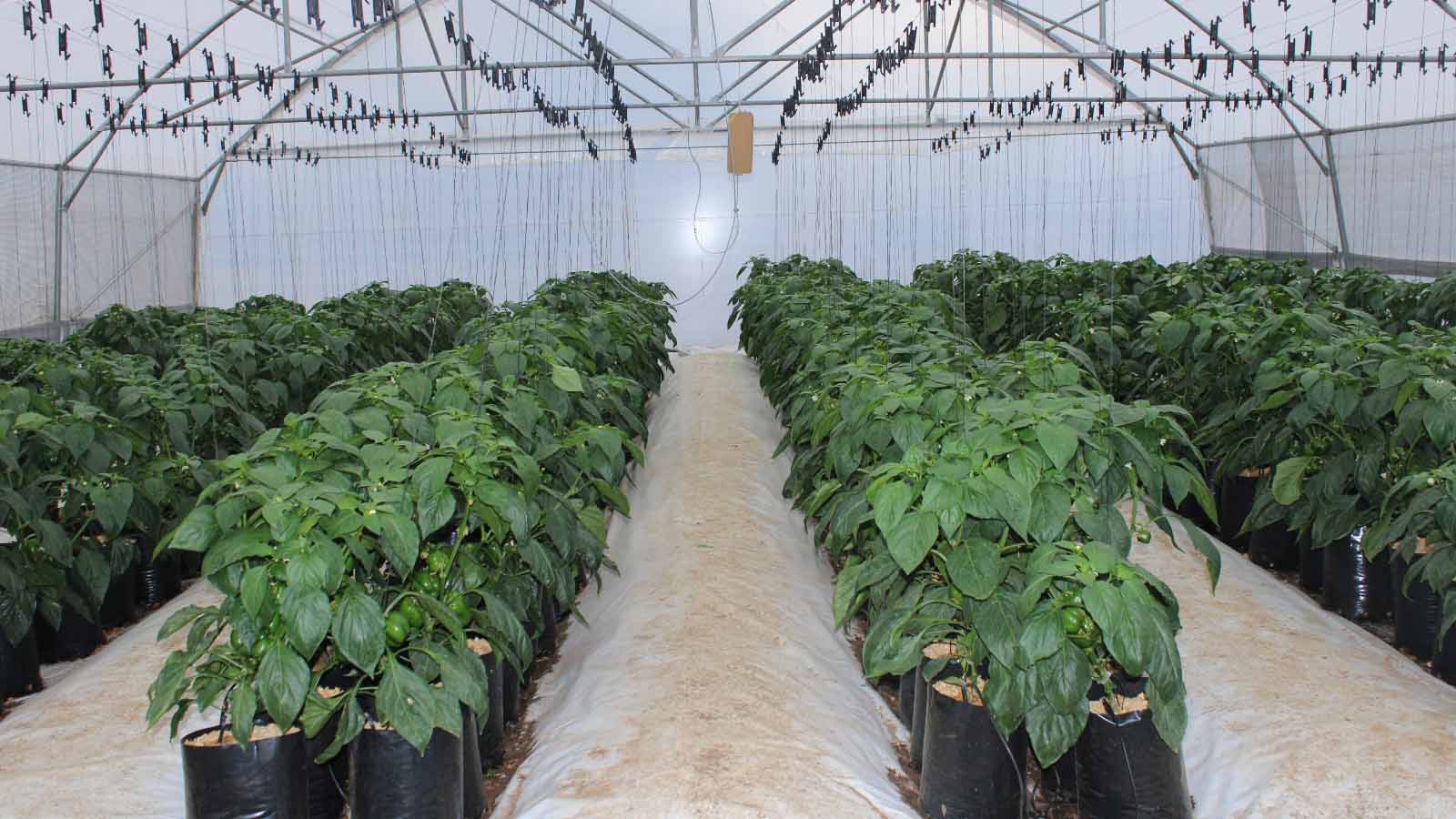
Planting techniques: Depending on your crops, you might utilise raised beds, containers or direct sow into the ground. Proper spacing is crucial for airflow and plant growth.
Irrigation: Instal a suitable irrigation system (drip irrigation is common) to provide water efficiently and directly to the root zone.
Fertilisation: Implement a balanced fertilisation programme based on your soil test results and specific crop needs.
Pest and disease management: Monitor your crops regularly for pests and diseases. Utilise Integrated Pest Management (IPM) techniques to minimise reliance on chemical controls whenever possible.
Maintaining yourtunnel farm
Temperature and ventilation: Monitor internal temperatures and humidity levels closely. Adjust ventilation (opening doors, using exhaust fans) to maintain optimal conditions for your crops.
Plastic cover maintenance: Inspect the plastic cover regularly for rips or tears and repair them promptly to maintain proper insulation and light transmission.
Sanitation: Practice good hygiene within the tunnel. Remove plant debris regularly to minimise disease risk. Consider rotating crops to prevent pest and disease build-up in the soil.
“Tunnels are not a one-size-fits-all solution and there are definitely factors to consider for location and layout,” says Dlamini. Here’s a breakdown:
Location and layout considerations
Sunlight: Tunnels need ample sunlight for healthy plant growth.
Wind: Strong winds can damage the tunnel structure.
Drainage: Good drainage is crucial to prevent waterlogging around the tunnels, which can damage crops and promote diseases.
Accessibility: Consider ease of access for farm equipment, maintenance and harvest.
Crop needs: Different crops have varying sunlight, temperature and ventilation requirements.
“Tunnel farming offers a lot of flexibility, but there are some limitations on what crops thrive under cover,” he said. Here’s a breakdown of suitability:
Suitable crops
Generally, tunnel farming is ideal for vegetables that benefit from protection from harsh weather, pests and diseases. These include lettuce, tomatoes, cucumbers, peppers, spinach and other leafy greens.
Early season crops: Tunnels can extend the growing season, allowing farmers to plant and harvest crops earlier and later than usual. This is particularly beneficial for cold-sensitive vegetables.
High-value crops: Crops with a high market value, like strawberries or herbs, can be good candidates for tunnel farming due to the potential for increased yield and quality control.
Less suitable crops
Wind-pollinated crops: Corn, for example, relies on wind for pollination and the enclosed environment of a tunnel can hinder this process. Open field cultivation is better suited for such crops.
Large-scale crops: Crops that require a lot of space, like watermelons or pumpkins, might not be the most practical choice for tunnels due to size limitations.
Crops with specific temperature needs: Some tropical fruits or vegetables might require very high temperatures that may be difficult or expensive to maintain consistently within a tunnel, especially in cooler climates.
“By having these essential requirements in place, you’ll be well on your way to starting a successful tunnel farming venture. Remember, ongoing learning and adaptation are key components of any agricultural practice,” advised Dlamini.
















Leave a comment