

The economic landscape is shedding its skin. For the local startup, the comfort of the ‘status quo’ has become a dangerous trap.
The business landscape is no longer just about commodities; it is about the ‘creative economy,’ digital security and an aggressive hunt for international ‘shelf space.’
The message is blunt: Seize the shifting trade winds now or risk becoming a footnote in a larger regional story. The data released by the Eswatini–UK Business Forum last week tells a compelling story. The UK has solidified its position as Eswatini’s second-largest export market, with trade topping E2.6 billion. However, the real news for the local entrepreneur isn’t just the volume, but the variety.
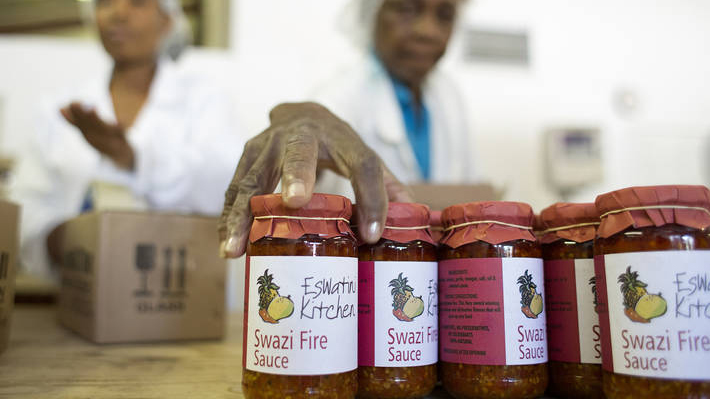
While raw sugar and fruit juices remain the heavyweights, there is a burgeoning appetite for ‘Made in Eswatini’ textiles, value-added agro-products and handicrafts.
The data suggests that the era of ‘waiting for the right time’ is over. The Eswatini Investment Promotion Authority (EIPA) has laid out its 2026 Expo Radar, a literal roadmap to global markets. For the startup willing to formalise and scale, this is a golden ticket. For the laggard, it is a warning of impending irrelevance.
Titled, ‘An Expo Radar for Eswatini’s Traders’, the calendar provides a curated list of externally managed trade shows across key economic sectors, enabling Eswatini businesses to independently identify, plan for and participate in international exhibitions that align with their export ambitions.
The ‘Expo Radar’ and high-stakes export game
The EIPA’s new strategy addresses the startup’s biggest hurdle: Visibility.
From the AFAS Food Product Fair in Turkey to Paris Design Week, the kingdom is actively pushing local producers into the spotlight.
This isn’t just about big industry, it’s about the creative economy; the boutique fashion houses and agro-processing startups that can offer the world something more soulful than a mass-produced commodity.

















Leave a comment