
Although applications for the African Continental Free Trade Area (AfCFTA) SME Booster Programme closed yesterday, the initiative has sparked renewed discussion on how Eswatini’s small and medium-sized enterprises (SMEs) can position themselves to benefit from Africa’s rapidly expanding single market.
The programme, coordinated by the AfCFTA Secretariat, targeted SMEs, women entrepreneurs, youth-led businesses and Business Support Organisations (BSOs) from 10 Southern African countries, including Eswatini. Successful applicants will attend an intensive training programme in Gaborone, Botswana, from August 12 to 15, 2026, aimed at preparing businesses to compete beyond their domestic markets.
For Eswatini, where SMEs account for the overwhelming majority of businesses and are a key source of employment, programmes such as this represent far more than another business workshop. They are designed to help local enterprises overcome one of their biggest hurdles: Becoming export ready.
Preparing businesses for continental trade
The AfCFTA is the world’s largest free trade area by the number of participating countries, bringing together 55 African nations into a single market. Its long-term objective is to reduce trade barriers, encourage industrialisation and significantly increase trade between African countries.
However, many SMEs struggle to take advantage of these opportunities due to limited knowledge of export regulations, product standards, packaging requirements, financing and market access.
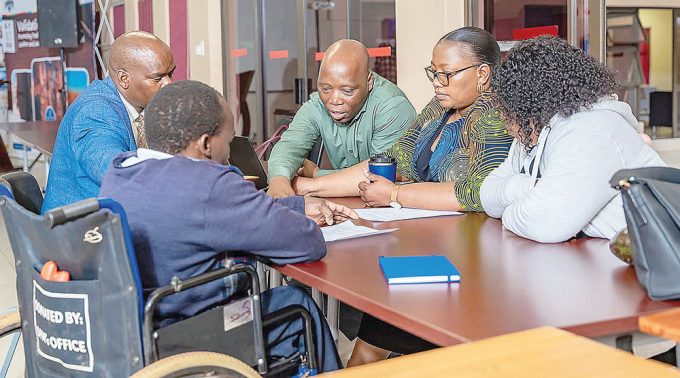
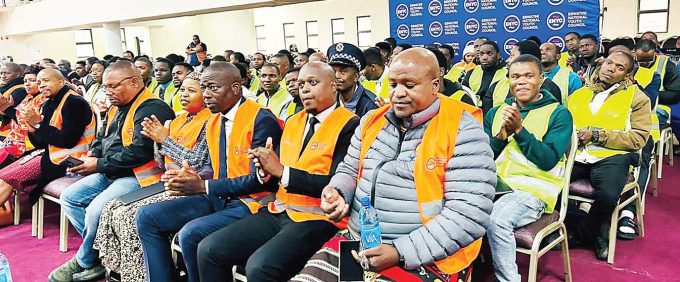
The SME Booster Programme seeks to bridge those gaps by providing practical training on export readiness, identifying business constraints through assessments, strengthening business support organisations and connecting participants with regional trade opportunities. Rather than focusing solely on theory, the programme emphasises practical, market-oriented support that prepares businesses to trade across borders.
Why this matters for Eswatini
The AfCFTA opens the possibility of diversifying exports into new African markets, allowing local businesses to sell products across the continent while reducing dependence on traditional trading partners.
For entrepreneurs producing processed foods, cosmetics, textiles, furniture, crafts, agricultural products and light manufactured goods, the agreement offers access to hundreds of millions of potential customers.
With the right preparation, SMEs can also become suppliers within regional value chains rather than serving only local consumers.
More than market access
One of the programme’s biggest advantages is that it goes beyond introducing businesses to export markets.
Participants receive guidance on:
- Export readiness assessments
- Product standards and certification
- Market intelligence
- Business strategy
- Cross-border trade procedures
- Building relationships with buyers and investors
- Networking with entrepreneurs from across Southern Africa
The initiative also includes a Train-the-Trainer model that strengthens Business Support Organisations, ensuring that expertise remains available locally even after the programme concludes.
Building competitive businesses
Exporting successfully requires more than producing a good product.
Businesses must meet quality standards, understand customs procedures, comply with rules of origin under AfCFTA and package products competitively for different markets.
For many SMEs, these technical requirements are often the biggest obstacle to expansion. Capacity-building programmes help entrepreneurs identify weaknesses before entering new markets, improving their chances of long-term success rather than costly trial and error.
Looking beyond the training
Experts say the real value of initiatives such as the SME Booster Programme will be measured not by the number of businesses trained, but by how many go on to complete successful cross-border transactions.
The programme forms part of a broader AfCFTA strategy to move from policy discussions to practical implementation by creating a pipeline of export-ready African enterprises capable of competing across the continent.
For Eswatini, this could translate into stronger regional trade, increased foreign earnings, business growth and new employment opportunities, particularly for young entrepreneurs and women-led enterprises. Although this year’s application window has closed, business organisations say interested SMEs should continue strengthening their operations, as similar AfCFTA programmes and market-access initiatives are expected to be rolled out as the continental free trade area continues to expand.