

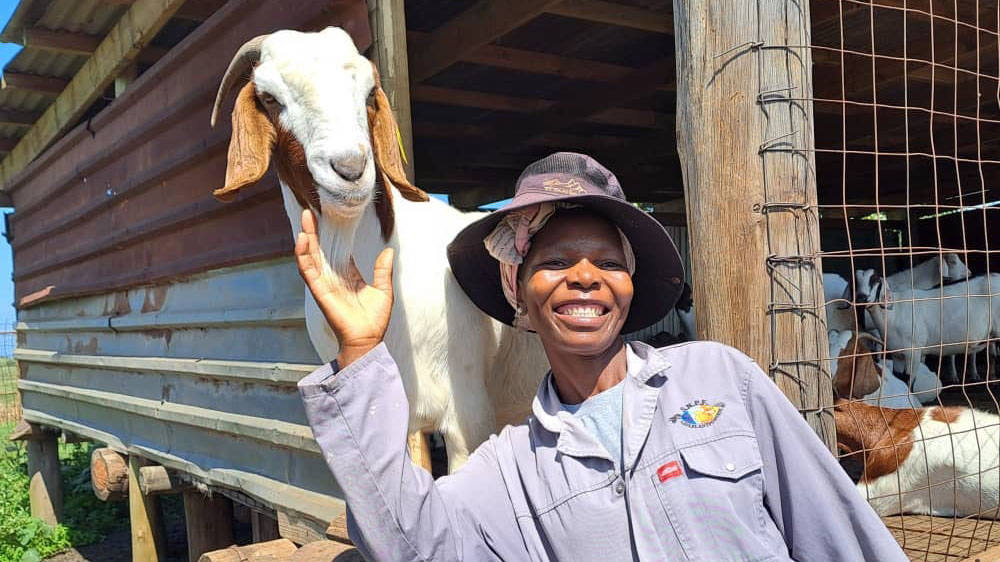
The newly launched Goat Industry Enhancement Project (GIEP) is expected to transform goat farming in Eswatini by addressing the major challenges that have affected farmers for years and limited the growth of the sector.
The project, launched through a partnership between the Government of Eswatini, the Republic of China (Taiwan), the European Union (EU), and other development partners, seeks to improve goat production, strengthen the goat value chain, and increase farmers’ incomes across the country.
Eswatini currently has an estimated goat population of over 525 000, with the majority being indigenous breeds raised under communal farming systems. Despite this, many farmers continue to struggle with low productivity and poor returns.
Challenges facing goat farmers
Project Coordinator Thulasizwe Dlamini outlined several challenges currently affecting goat farmers in the country, including:
- Poor breeding systems
- Inadequate nutrition
- High kid mortality
- Inconsistent market supply
- Stock theft
Many farmers have also struggled with limited access to quality breeding stock and weak animal health systems, resulting in poor quality goats and reduced income opportunities.
Solutions brought by GIEP
The project is expected to introduce interventions aimed at solving these challenges and improving the livelihoods of farmers.
Some of the interventions to be introduced through the project include:
Improved Breeding Systems
- Establishment of a National Goat Breeding Centre
- Introduction of improved breeding goats
- Establishment of satellite breeding farms across the country
- Introduction of artificial insemination programmes
Improved Animal Health
- Strengthening vaccination programmes
- Improved animal health interventions
Better Nutrition and Feeding
- Promotion of fodder production
- Nutrition support for farmers
Improved Market Access
- Strengthening market linkages
- Promotion of commercial goat production models
Improved Productivity
- Strengthening digital livestock management systems
- Improving carcass weights
Enhancing food security and sustainability within the goat industry.
Project Manager Henry Jian said the initiative is designed to strengthen the goat value chain and improve the sustainability of the sector.
Proven partnerships behind the project
Minister for Agriculture Mandla Tshawuka said Eswatini had already benefitted from several impactful agricultural initiatives implemented through partnerships with the European Union and Taiwan.
1. Pig Industry Enhancement Project: “This project has been a game changer in the pig value chain, such that the country is now self-sufficient in pig production. The genetic merit of our pigs has improved remarkably, providing better income for our farmers and ensuring food abundance.”
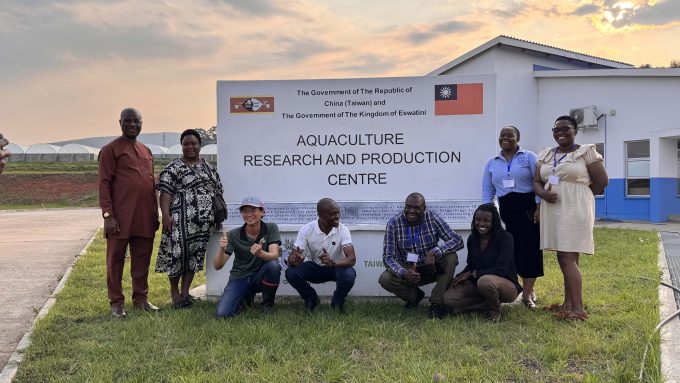
2. Commercialization Aquaculture Production Project: “This project has empowered the country to produce fingerlings as seed stock for fish farming across the country. This project has also fostered aquaculture-related research, paving the way for sustainable fish production.”
3. Taiwan Initiative Project Africa Vegetable: “This project aimed at promoting indigenous plants, it has revitalized and upgraded our national plant genetic resources centre (Plant Gene Bank) in Malkerns. The strengthened gene bank now serves as a vital resource for conserving and utilizing our native flora, supporting both agricultural resilience and biodiversity.”
4. Support in the Fight Against FMD: “The EU has stood with us in the fight against the scourge of FMD, not only now but from time immemorial. They have provided materials for personnel protection, fencing, surveillance and laboratory work.”
5. Water Harvesting, Small and Medium Dams Project: “Both our partners have played a significant role in this facet of our agrifood system. We have a number of small and medium sized dams which are making a positive impact on the livelihoods of our communities.”
6. High Value Horticulture Project: “This is another project executed by the ministry through the support of the European Union. It has transformed a number of emaSwati from subsistence vegetable farming to businesspeople running viable operations.”
7. Eswatini Livestock Value Chain Development Programme: “This is one of our flagship programmes in the livestock value chain. It will not only contribute to this goat project but has already demonstrated a serious impact in the livelihoods of emaSwati in other sub-sectors of the livestock industry.”
Tshawuka said these partnerships have consistently delivered meaningful results in transforming agriculture and improving the livelihoods of emaSwati, adding that the Goat Industry Enhancement Project is expected to further strengthen the agricultural sector and improve opportunities for goat farmers across the country.















Leave a comment