

In an era of rapid corporate disruption, organisational agility depends entirely on the calibre of its leadership.
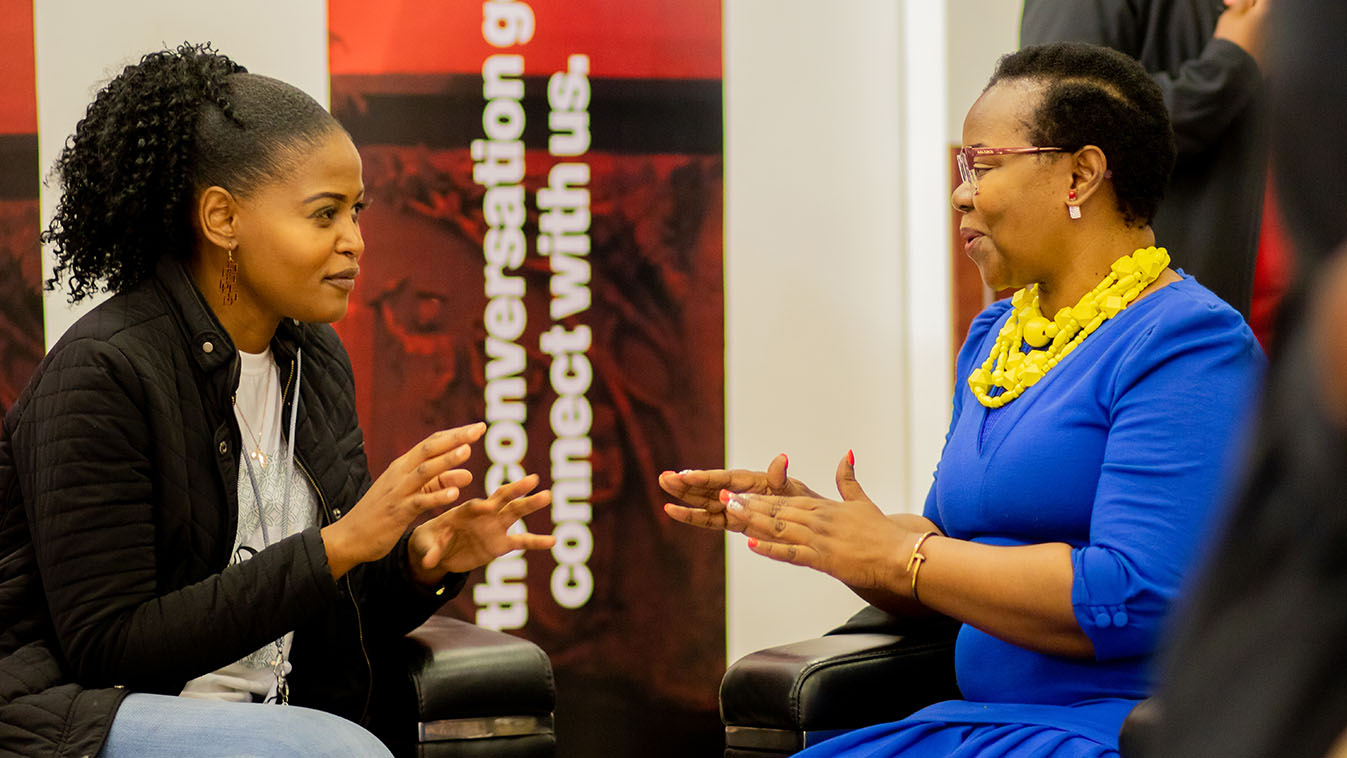
We sat down with Zanele Dlamini, Director of the UNESWA Consultancy and Training Centre (CTC), to discuss how the institution is eliminating structural friction for Eswatini’s top enterprises and reshaping the landscape of workforce upskilling.
Q: How does UNESWA CTC distinguish itself from other training providers in Eswatini?
A: The UNESWA Consultancy and Training Centre (CTC) stands out by delivering professional, high-quality training tailored to our clients’ unique needs. By seamlessly blending theory and practice, our programmes are delivered by a premier pool of subject matter experts from both academia and industry. Ultimately, CTC provides a trusted certification of quality standards backed by the university’s esteemed academic reputation, setting our graduates apart.
Q: You have partnered with institutions like EEC, EWSC and ESPPRA. How does CTC adapt its curriculum to meet the high-stakes, specialised demands of large-scale public enterprises and national regulators?
A: Public enterprises and national regulators operate in high accountability environments where generic training simply falls short. At CTC, we don’t believe in off-the-shelf solutions. Our approach begins with deep institutional alignment: we sit down with the organisation’s leadership to dissect their unique development areas, operational limitations and strategic goals.
By isolating these key metrics, we collaboratively build a targeted curriculum that directly addresses institutional bottlenecks.
This bespoke methodology ensures that when we train organisations like EEC or EWSC, the curriculum is immediately applicable, high-stakes ready and capable of driving measurable national impact.
Q: Many professionals feel they don’t have time for training. How does the CTC structure its courses to accommodate the busy schedules of working executives?
A: Time is an executive’s rarest commodity, and we respect that constraint completely. To bridge the gap between career demands and professional growth, CTC structures its courses with maximum structural flexibility. We offer custom-crafted content delivered through agile formats, ranging from condensed masterclasses to modular evening or weekend sessions. By tailoring the content delivery directly to the operational rhythms of our corporate clients, we eliminate the friction of scheduling. Professionals don’t have to pause their careers to scale their skills; our training integrates seamlessly into their active executive lifestyles.
Q: The Management Development Programme course is consistently popular. Why do you think that specific skill set is so vital for today’s managers?
A: The Management Development Programme remains a flagship offering because it moves beyond traditional administrative training. It actively equips leaders with the critical strategic, emotional and decision-making frameworks required to navigate complexity. In today’s market, a manager must be able to align cross-functional teams, cultivate a culture of innovation and future-proof the organisation against volatility. The MDP transforms high-potential managers into resilient leaders who can confidently drive performance when the stakes are highest.
Q: As we look towards the remainder of 2026, are there any new, specialised courses the CTC is planning to introduce?
A: For the remainder of 2026, CTC is pioneering highly specialised programmes including Post-Work Life Planning to support transitioning workforces and Corporate Governance tailored specifically for Boards and sub-committees.
We are also breaking ground in high-growth sectors with Logistics and Transportation Management, Sports Management and Leadership and a dedicated track for Women in Leadership. To make these as accessible as possible, we are simultaneously launching a robust suite of Online Certificate Courses, enabling professionals to upskill on demand.
Q: What is your message to a CEO or HR director of an organisation who is currently weighing how to best invest in their team’s performance for the coming year?
A: Your people are the ultimate engine of executive execution. In a competitive market, continuous, aggressive upskilling and reskilling are no longer an optional luxuries, they are a strategic imperatives.
When you invest in high-quality human capital, you actively eliminate structural friction within your business and anchor your organisation to a high-performance culture.
I urge leaders to view training not as a cost centre, but as your primary mechanism for talent retention. Funding continuous learning removes institutional bottlenecks from the inside out, ensures your operations remain agile and guarantees that your competitors cannot snatch your ‘cream team.’
















Leave a comment