

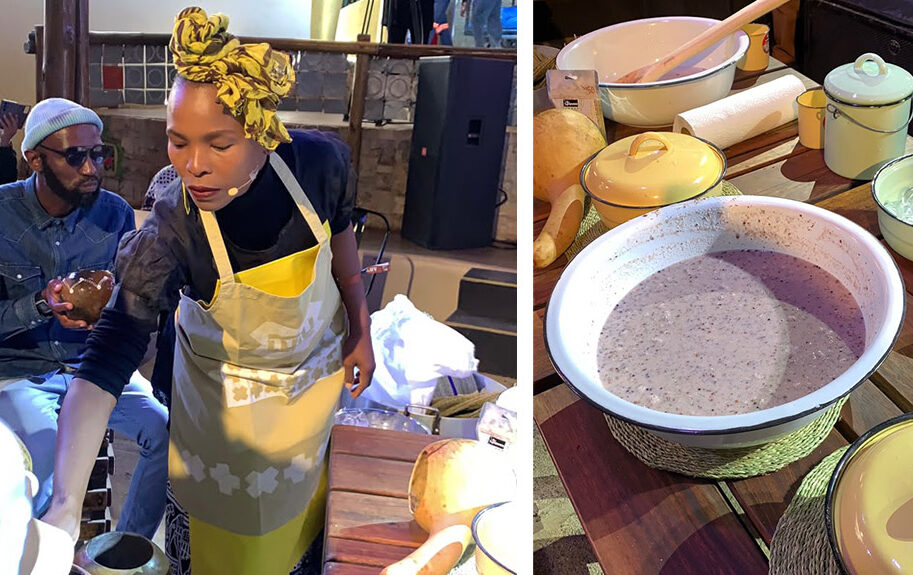
MALKERNS- To many festivalgoers, it was simply a demonstration on how to brew umcombotsi.
But for cultural practitioner Thobile Makhoyane, every ingredient, every stir and every fermentation stage carried centuries of Nguni history.
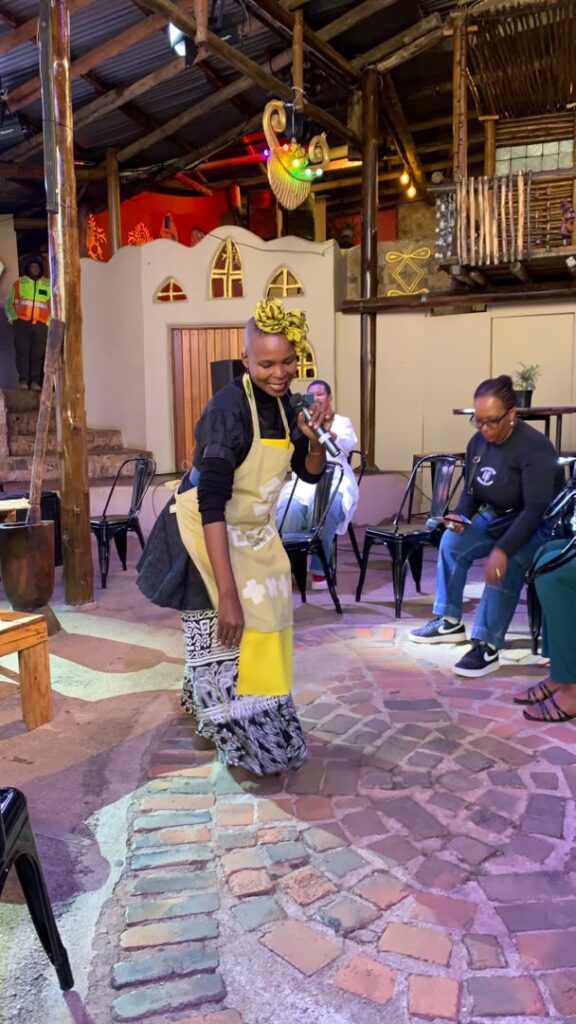
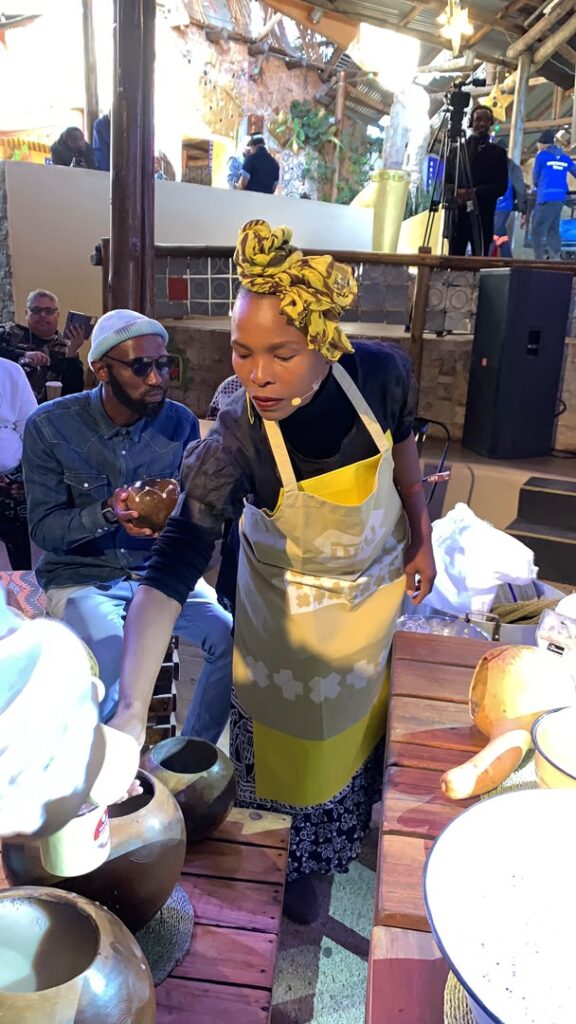
Standing before a captivated audience at the Nguni Foodways Culinary Stage during the Standard Bank Luju Food and Lifestyle Festival, Makhoyane transformed what could have been an ordinary cooking demonstration into an intimate lesson on culture, identity and heritage.
As she prepared the traditional brew using age-old methods passed down through generations, she reminded the audience that umcombotsi is far more than a beverage. “It is our tradition. No matter how modern we become, there will always be ceremonies that require traditional beer,” she explained.
Whether during lobola negotiations, family ceremonies or ancestral rituals, umcombotsi continues to occupy a central place in Swati customs. According to Makhoyane, the drink serves not merely as refreshment but as an important cultural offering that connects families with their ancestors.
She said the knowledge of brewing had been handed down to her by elderly women in her family, whose lessons she now feels duty-bound to preserve and pass on. “I learnt from the gogos. Today I am simply sharing that experience,” she said.
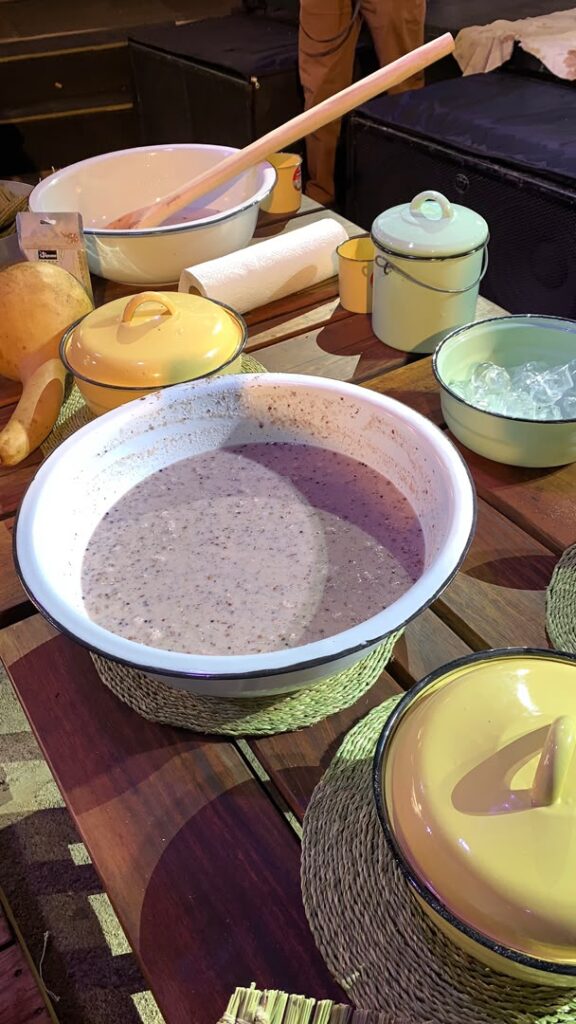
The demonstration began with dried maize kernels, which were soaked, pounded and mixed before being left to ferment for several days (a step she prepared prior). From there, the mixture was cooked into a soft sour porridge before the brewing process continued.
Throughout the presentation, Makhoyane carefully explained each stage, describing how patience rather than speed determines the quality of the final product.
She told the audience that fermentation is a living process. “When you open the brewing room, you can hear it working. It has its own sound. It is peaceful,” she said, prompting smiles from many in attendance.
As the mixture ferments, foam forms on the surface before gradually settling. The yeast collected from this stage was traditionally reused for future batches and even for baking, illustrating how little went to waste in Swati households.
While modern brewers often rely on plastic sieves and commercial equipment, Makhoyane displayed traditional woven strainers that were once common in rural homes. She encouraged people to continue seeking and preserving such indigenous tools.
The demonstration also highlighted the importance of documenting indigenous food knowledge before it disappears.
Makhoyane said she increasingly receives requests from families seeking guidance on traditional brewing because younger generations are no longer learning the practice at home. “It is something that needs to be preserved,” she said.
For many watching, the session became less about making beer and more about understanding the stories, customs and values carried in every calabash of umcombotsi.
As festivalgoers sampled the traditional brew, they left with something far richer than its distinctive taste; a renewed appreciation of a living heritage that continues to define Swati identity.
The story behind the white flags at rural homesteads
MALKERNS- If you have travelled through rural Eswatini, you have probably noticed white flags fluttering outside some homesteads.
According to cultural practitioner Thobile Makhoyane, the flags are far more than decoration.
They serve as a public invitation, signalling that traditional beer has been brewed and visitors are welcome to stop and share in the experience. “The white flag means you are welcome,” she explained during her presentation at Luju.
Historically, anyone passing by would recognise the flag as a sign that umcombotsi was available. Travellers, neighbours and community members were free to enter the homestead, enjoy the hospitality and strengthen social bonds.
The custom reflects one of Eswatini’s enduring cultural values, generosity and community.
While the sight of white flags has become less common in some areas, Makhoyane said the tradition remains an important symbol of Swati hospitality and continues to be observed during cultural ceremonies and traditional gatherings.



















Leave a comment