

When considering medical aid, it’s essential to understand the various types of plans available and how they differ.
Medical aid providers offer various plans tailored to meet different healthcare needs and budgets. It’s crucial to balance affordability with adequate coverage to avoid overpaying for unnecessary benefits or underinsuring your healthcare needs. These plans can be broadly categorised as follow:
Hospital plans cover in-hospital treatments and procedures only i.e., procedures and surgeries during hospitalisation.
Comprehensive plans offer extensive coverage, including in-hospital and certain out-of-hospital care, chronic medication and predetermined day-to-day medical expenses.
Network plans only provide coverage through a specific network of hospitals and healthcare providers, often at a lower cost.
Medical aid benefits
- Peace of mind, knowing that your medical needs are covered.
- Tailor your medical aid plan according to your needs.
- Access to private hospitals and a private room when available.
- Flexibility and freedom to decide where, when and how you get care. Even online appointments.
- Access to prescription medications.
- Faster access to much-needed care.
- Whole family cover, depending on your needs. Family plans can include family members, spouses, children and even grandparents.
- Attractive tax benefits for both employers and employees for those who are self-employed or manage small businesses.
- Dental, eye, rehabilitation, oncology and mental care benefits.
- Preventative care is designed to promote well-being and reduce the likelihood of serious health conditions.
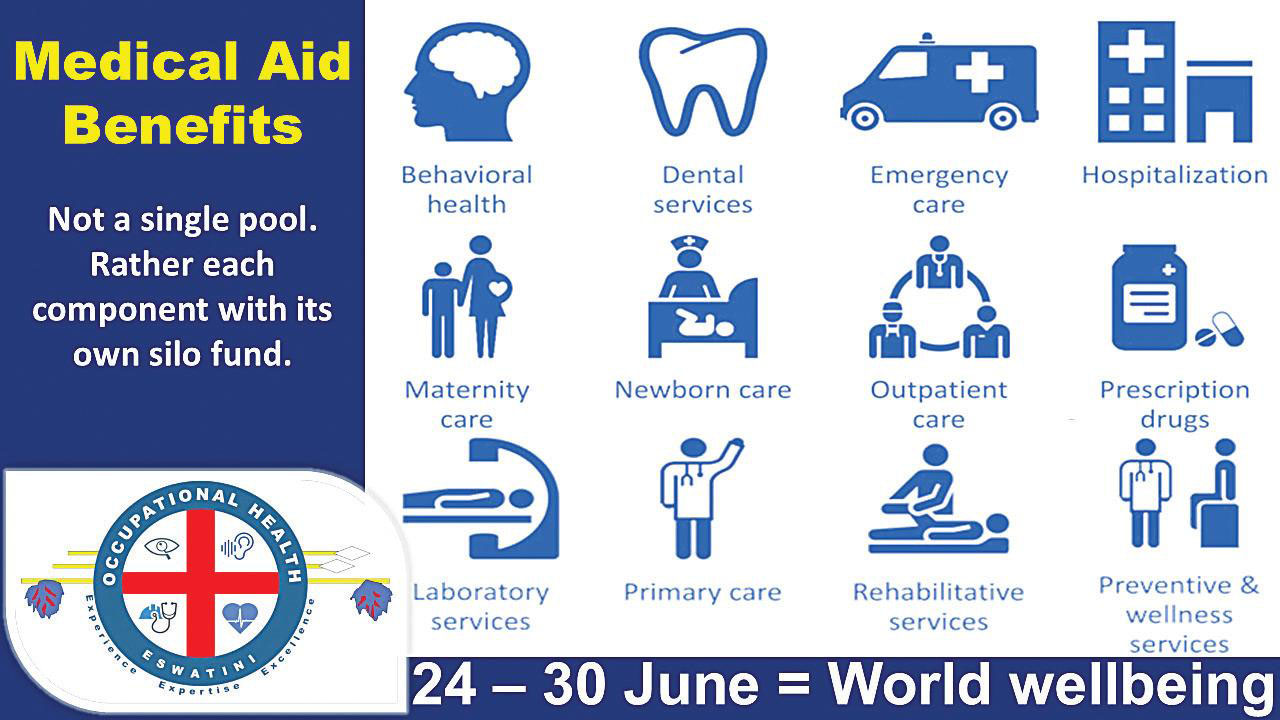
Key components of a medical aid
- It’s important to understand that medical aid is not merely one pool of funds but rather silos, each with its own limit:
- Emergency and trauma care ensures access to emergency medical services and trauma care.
- Hospital cover: For in-hospital treatments and procedures, including surgeries during hospitalisation.
- Maternity benefits: Coverage during pregnancy and childbirth.
- Day-to-day medical expenses cover routine medical expenses such as doctor visits and acute prescriptions.
- Specialist consultations and treatments cover consultations and treatments from specialists.
- Chronic medication: Helps manage and cover the costs of chronic (prescribed) medications.
- Preventative and wellness benefits include benefits for preventative care and wellness programmes.
- Oncology benefits provide coverage for cancer treatments and related services.
- Mental health services
- Dental care
- Rehabilitation care including physiotherapy, occupational therapy and speech therapy.
DrT’s advice:
Managing your medical aid membership involves understanding your benefits, claims process and policy updates.
When selecting a medical aid plan, consider factors such as monthly premiums, co-payments, coverage limits and benefits like hospitalisation, chronic medication and day-to-day medical expenses.
By understanding these aspects, you can make an informed decision about your medical aid plan and ensure you have the necessary coverage for your healthcare needs.




















It’s an remarkable piece of writing in support of all the online users; they will get benefit from it I am sure.