

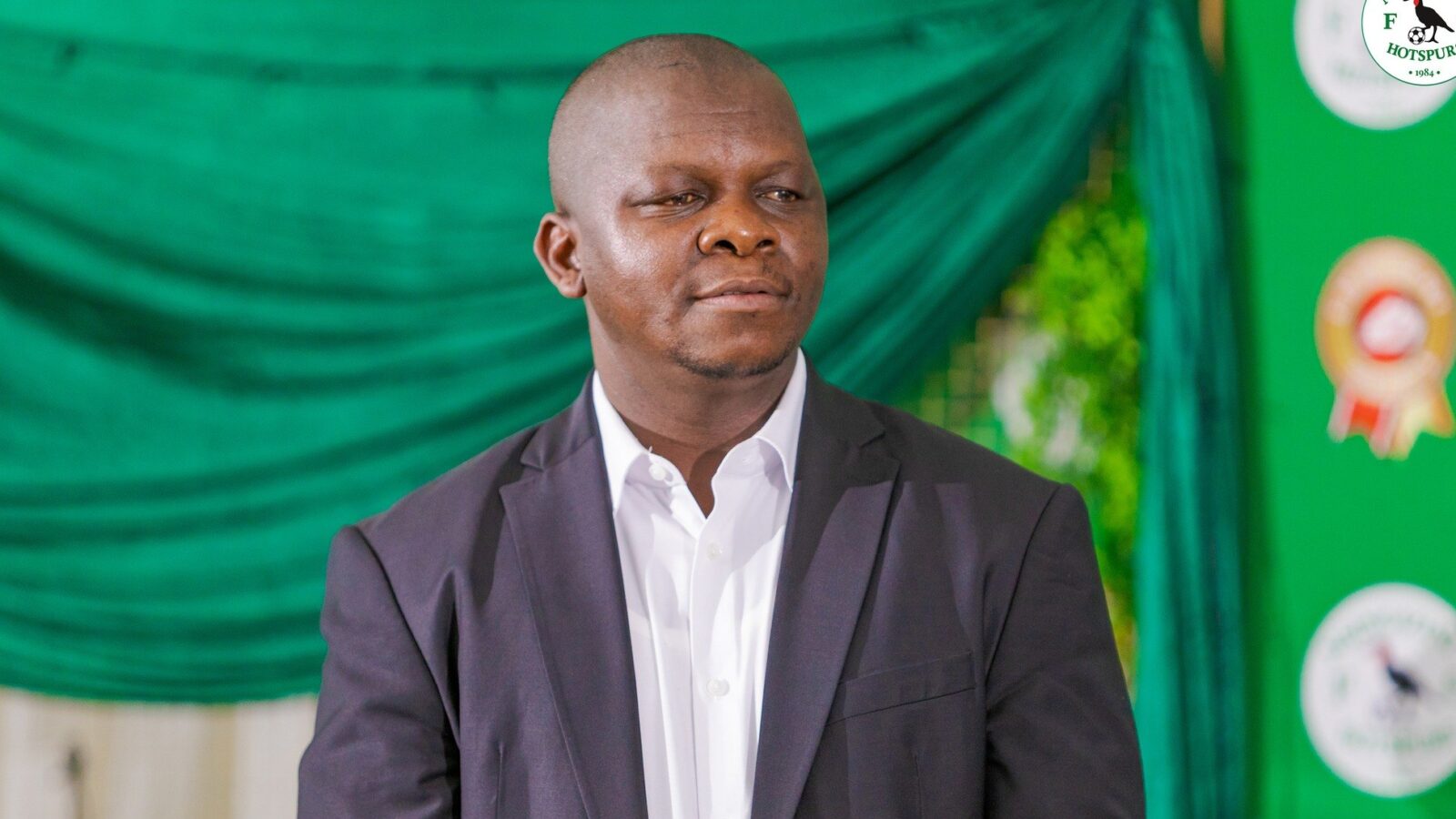
LOBAMBA – Businessman Derrick Shiba has revealed that one of his key priorities as Chairperson of the Eswatini National Provident Fund (ENPF) Board was to commission a comprehensive forensic audit into the operations of the Fund.
The revelation is contained in the report of the Parliamentary Select Committee that investigated the governance impasse which has left the ENPF Board dysfunctional for more than half a year.
The report was tabled in Parliament yesterday and is awaiting debate and adoption by the House.
According to the report, Shiba appeared before the committee to present his version of events surrounding the prolonged dispute that has prevented the Board from carrying out its statutory responsibilities since its appointment.
The committee invited him to explain the circumstances that had contributed to the Board’s inability to function, the efforts made to convene Board meetings and his response to concerns raised by various stakeholders regarding both the process through which he was appointed and his suitability to serve as chairperson.
The committee also sought to establish whether the disagreement centred on Shiba himself or on the process that led to his appointment.
According to the report, Shiba maintained that the dispute was not about his personal conduct, competence or performance, but rather about differing views on how the chairperson should have been appointed.
He told the committee that recognised social partners had expected the chairpersonship to rotate among the constituencies represented on the Board, in line with a long-established governance practice, and had anticipated that the office would be filled through that succession arrangement.
Shiba, however, maintained that throughout the dispute no formal complaint had ever been lodged against him personally.
The report states that he informed the committee that the concerns communicated to him related almost exclusively to the appointment process and not to his conduct as chairperson.
According to the committee, Shiba further expressed the view that the continued refusal by some social partners to work with him suggested that there could be issues within the Fund that certain stakeholders did not want brought to light.
Audit
He told the committee that one of his principal objectives upon assuming office had been to facilitate a comprehensive forensic audit of the ENPF.
According to the report, Shiba believed such an audit would strengthen transparency, improve accountability and reinforce good governance within one of the country’s most significant public institutions entrusted with safeguarding workers’ retirement savings.
He indicated that, had the Board been allowed to function, he would have formally proposed that a forensic audit be undertaken to establish the facts surrounding the Fund’s operations and address any governance concerns that may have existed.
The committee’s report notes that Shiba regarded the proposed forensic audit as an important governance tool that could have enhanced public confidence in the Fund, while ensuring that any shortcomings were identified and addressed through an independent process.
In concluding his evidence, Shiba maintained that the dispute had become unnecessarily personalised when, in his opinion, the focus should have remained firmly on institutional governance rather than individuals.
He reiterated that the principal cause of the impasse lay in conflicting expectations regarding the appointment of the chairperson rather than any allegation of misconduct or incompetence on his part.
The committee further sought Shiba’s views on possible solutions that could bring an end to the governance deadlock which has paralysed the Board for several months.
According to the report, he submitted that the dispute arose because government and the recognised social partners held different interpretations of the ENPF Order regarding the appointment of the chairperson.
While some stakeholders believed the office should rotate among the three constituencies represented on the Board, Shiba said government had exercised what it considered to be its lawful authority under the legislation when making the appointment.
He cautioned that unless government and the social partners reached a common understanding on the appointment process, similar disputes were likely to recur in future regardless of who occupied the office of chairperson.
The businessman, therefore, advocated dialogue as the most appropriate mechanism for resolving the impasse.
According to the report, Shiba expressed the view that constructive engagement between government, employers and employees remained both possible and necessary if the Board was to resume its statutory functions and restore confidence in the governance of the ENPF.












Leave a comment