… Winners from Lobamba Lomdzala to showcase Nguni Foodways at Standard Bank Luju Festival
MBABANE – For the first time in Standard Bank Luju Food and Lifestyle Festival history, women from host communities will compete at community level for the chance to cook and sell at the festival itself.
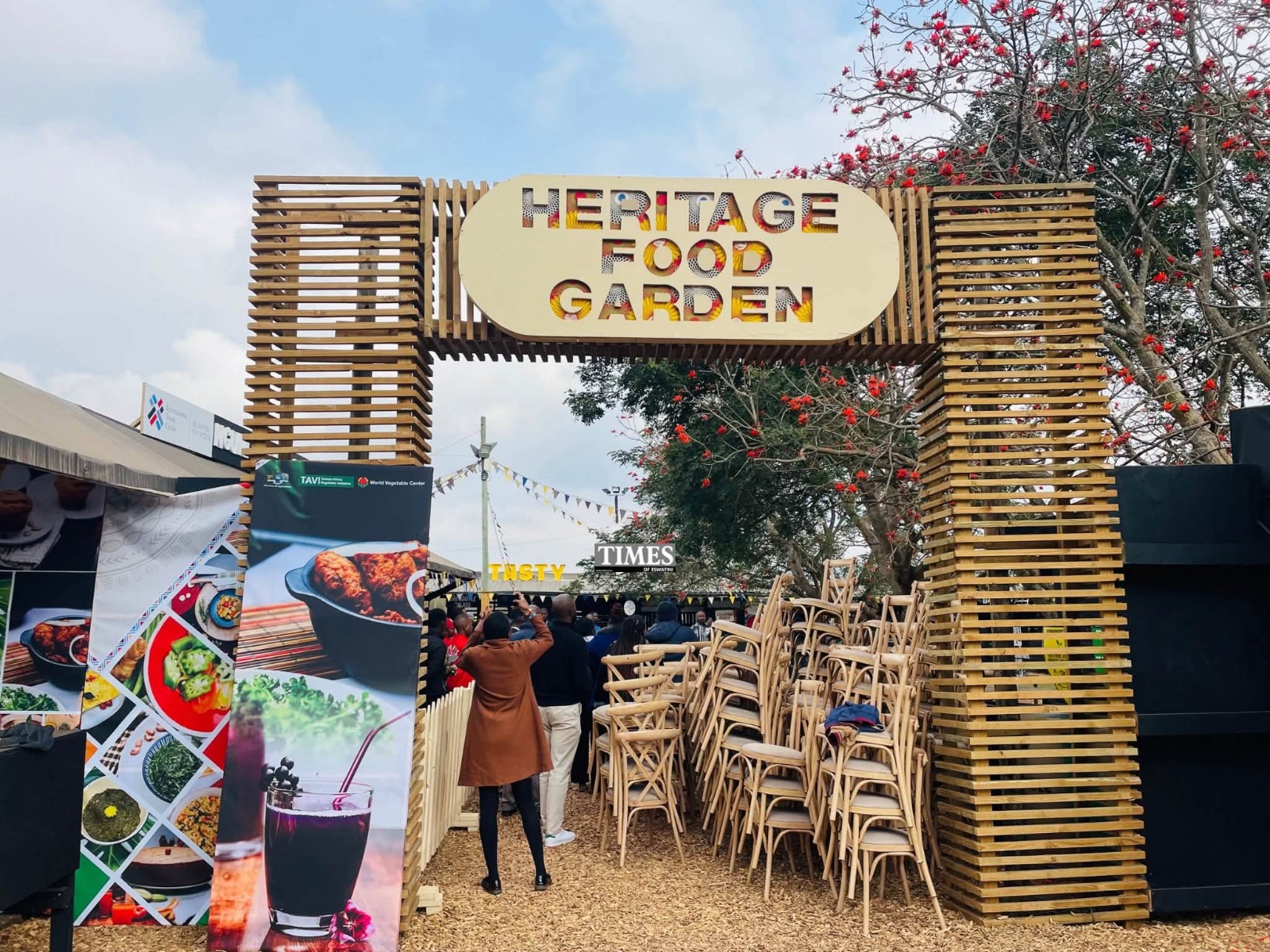
The new initiative replaces the previous pre-festival cook-off with a direct pathway to a vendor stall, giving local women a platform to showcase indigenous food to more than 10 000 festivalgoers at House On Fire in the Malkerns Valley this weekend. Most of the women selected to compete are from the Lobamba Lomdzala Constituency, where a bee-keeping project that sponsors them annually has become a pipeline for culinary talent. The winner of the community competition has been awarded an official stall in the festival’s culinary village to cook and showcase their work under this year’s theme, Nguni Foodways. “This is the heart of Nguni Foodways,” said Culinary Curator Sasha Thorne during a media briefing at House On Fire yesterday. “It’s about the people, places, practices and flavours that connect Nguni communities across Southern Africa. And this year, those stories will be told first by the women who live them.” A festival built around culture The multi-stage configurations at House On Fire have been finalised ahead of the eighth edition of the festival. The layout is engineered to host live music, fashion, culinary demos and vendor stalls across specialised zones. The Culinary Demo Stage in the amphitheatre area remains the hub for gastronomy programming, with live kitchens for real-time cooking demonstrations, masterclasses and chef panels. This year it will also feature a DJ at the Nguni Foodways area “to play good music whilst the public enjoy their meal,” Thorne added.
The Main Stage will host headliners across Hip-Hop, Gospel and Afro-pop. The Fashion Runway Stage will spotlight regional designers and textiles. And The Beehive will serve as the family and youth zone for the #EatSwayLove initiative with karaoke, workshops and storytelling. Local first Thorne noted that 99 percent of the culinary vendors this year are local. The festival has also partnered with entities like Mantenga to serve traditional foods over the weekend.“ This shift is intentional,” Thorne said. “We’re moving from just watching a cook-off to actually giving women the economic opportunity that comes with a Luju stall. It’s about access, visibility, and income.” The festival runs for two days and is expected to host regional delegations from across Southern Africa.