Madam,
Climate scientists have raised fresh alarm bells over the return of the Super El Niño phenomenon. Characterised by sea surface temperatures spiking two degrees Celsius or more above average in the Pacific Ocean, this extreme weather cycle routinely brings scorching heatwaves and severe rainfall deficits to Southern Africa. For Eswatini, this is no abstract environmental threat; it poses a direct danger to our agricultural economy and national food security.
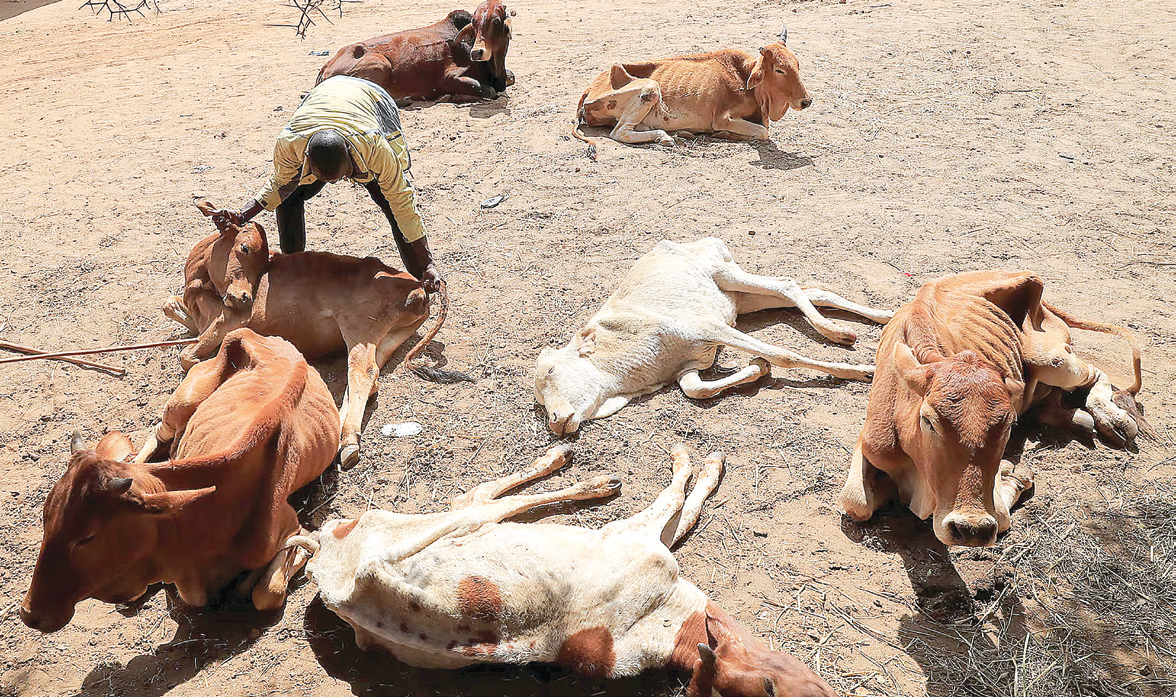
As emaSwati, we carry the painful memory of the 2015/16 El Niño drought. As per the Eswatini Economic Policy Analysis and Research Centre (ESEPARC) drought impact study, that crisis inflicted an estimated E3.84 billion in total economic losses on our country. According to emergency livestock assessments by the Food and Agriculture Organization (FAO), the Lubombo Region was hit particularly hard, with stripped pastures, leading to the loss of over 80 000 herd of cattle, which was more than double the normal annual mortality rate.
For Eswatini, cattle are far more than livestock; they represent household savings, cultural identity and the financial foundation of our homesteads. Watching our herds perish again would inflict irreversible harm on families who have spent the last decade trying to recover.
The Ministry of Agriculture and the National Disaster Risk Management Authority (NDRMA) have assured the public that preparedness frameworks have improved, pointing to enhanced monitoring tools like the National Composite Drought Index. However, as highlighted in the World Bank’s Eswatini Drought Resilience Profile, having monitoring tools on paper means very little unless key operational bottlenecks on the ground are fixed. During previous droughts, delayed emergency funding meant relief supplies reached farmers months after crops had failed and livestock had died, proving that operational funds must be released before grazing lands collapse.
Furthermore, commercial hay and feed reserves remain financially out of reach for most subsistence farmers in the Lowveld, meaning that without State-subsidised feed delivered directly to local dip-tanks, early warnings offer zero practical protection. At the same time, while State agencies routinely advise farmers to practice commercial destocking by selling off older cattle early to save core breeding herds, the lack of organised local markets and fair early-season pricing leaves rural homesteads with no viable option but to hold onto starving animals.
While localised storms may still occur unpredictably, the primary trend points towards severe, prolonged dry spells. We cannot afford another disaster where official assurances are issued in Mbabane while livestock collapse in the fields of Lubombo.
If State institutions have learnt from past losses, we must see feed reserves prepositioned in vulnerable districts, subsidised water-trucking units deployed and market access expanded to dip-tanks immediately. Protecting our livestock today is essential to safeguarding the resilience of our rural economy.