

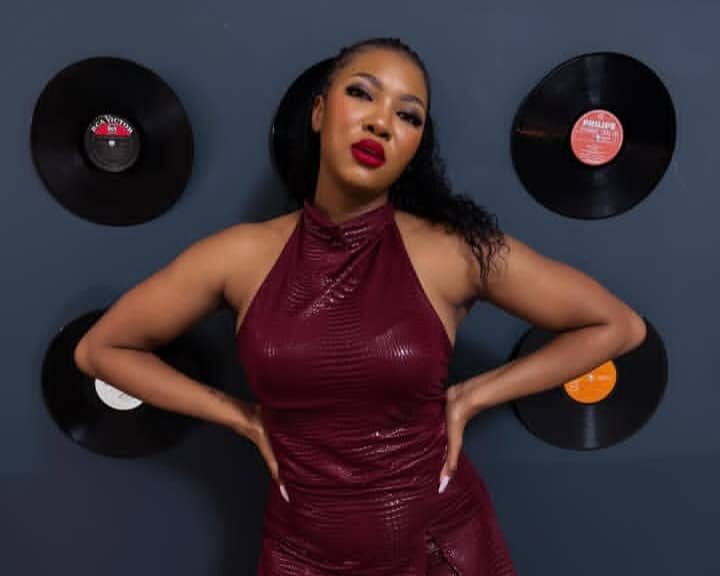
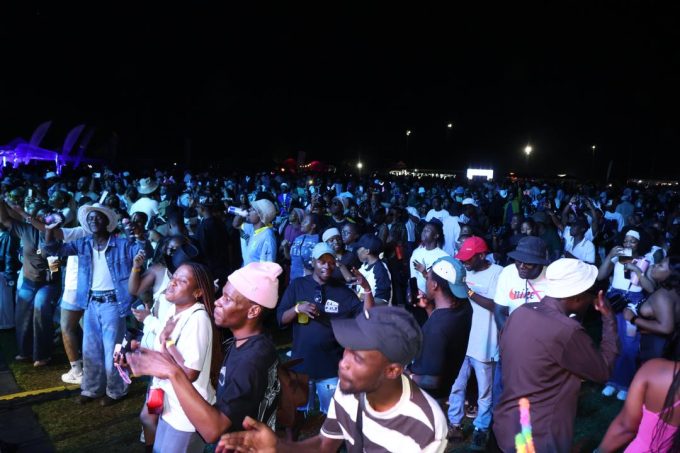
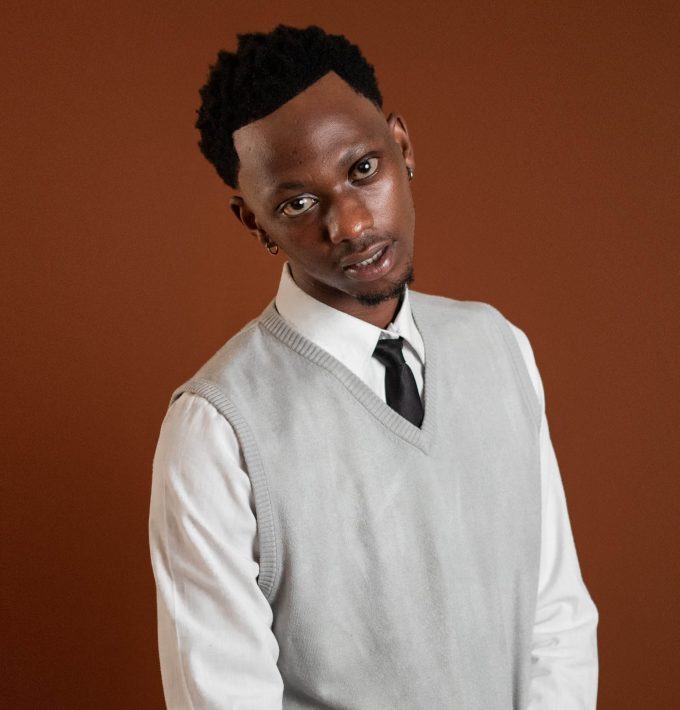
MBABANE – Mandisa Mamba has refused to let the mixed reaction to her Standard Bank Luju Food and Lifestyle Festival performance define her.
The artist has said that her stage style is an established part of who she is as an artist.
The Eswatini RnB singer found herself at the centre of an online debate following her performance at the recent Standard Bank Luju Food and Lifestyle Festival, with sections of the audience questioning her dance style and stage presentation.
However, Mamba says the reaction has not affected her negatively. She said she understands that performing in public means opening oneself up to different opinions and remains willing to listen when criticism is constructive.
According to the artist, however, there is an important distinction between criticism intended to help an artist grow and comments that simply seek to tear them down. The singer also used the debate to raise questions about how local artists are received, arguing that there are times when audiences appear more accepting of certain forms of expression when they come from international performers.
She believes local artists should also have room to experiment, evolve and develop their own identities without having their entire careers reduced to a single performance choice.
Mamba said her stage expression at the festival was not a sudden departure from her established identity.
She explained that sensuality has always formed part of RnB and, by extension, part of how she interprets some of her songs on stage.
According to the singer, people who have followed her career and attended her performances over the years would know that this has been part of her artistic expression.
“I’m comfortable with who I am as an artist,” she said.
Her position has received support from fellow creatives. Cinematographer and director Luyanda Luda Motsa said Mamba’s performance represented an evolving creative culture and argued that artists should not be restricted by traditional expectations when exploring new forms of expression. Motsa said new creative approaches would naturally surprise people, particularly when they challenge what audiences are accustomed to seeing.
He also believes Mamba’s willingness to be different could influence younger creatives who may be hesitant to express themselves because of fear of public reaction.
He encouraged the singer to continue embracing what makes her unique, saying her individuality is part of what draws audiences to her.
Fashion model Coralee Vilakati also chimed in on Facebook and praised Mamba’s approach to her career, describing her as an artist who takes her craft seriously. Vilakati said Mamba’s music, image and performances appeared intentional, arguing that she had developed herself into more than just an artist. “She’s not just an artist, she’s a brand,” Vilakati said, adding that this was something that should be celebrated more.
Rather than dampen her spirits, the debate has ultimately strengthened Mamba’s belief that artists should be allowed to grow without being defined by one controversial moment.
She acknowledges that audiences will not always agree with her creative choices.
But she maintains that disagreement should not take away an artist’s right to individuality.
Her message to audiences is, therefore, less about demanding approval and more about asking for the same creative space afforded to artists from outside Eswatini.
Local artists, she believes, should be allowed to be bold, evolve and express themselves authentically, even when their choices challenge the audience.














I disagree with the artist’s response to the criticism. When a performer chooses to appear at a family-friendly event, there is a responsibility to consider the audience, especially children and teenagers. Not every criticism is hate or negativity. Sometimes it is genuine concern from members of the community who believe certain standards should be upheld in public spaces. Maturity means being willing to reflect on feedback, even when it is uncomfortable. As a Christian, I believe correction is not always meant to condemn us, but often to help us grow. I hope the artist will take this opportunity for honest self-reflection rather than dismissing every concern as negativity.