

MAHLANYA- Countries across the Southern African Development Community (SADC) are strengthening laws, policies and programmes aimed at ensuring people with disabilities participate equally in society.
The measures range from dedicated disability legislation and national policies to accessibility programmes, social protection, employment initiatives and disability mainstreaming across government. In Zambia, Cabinet approved the National Policy for Persons with Disabilities in February 2025, describing it as a framework to improve the welfare, inclusion and empowerment of people with disabilities.
The policy covers equality and non-discrimination, accessibility, health, education and employment. Government said implementation would involve civil society, the private sector and communities. The policy was formally launched in May 2025 alongside mainstreaming guidelines.
At the launch, the Zambian Government said people with disabilities continued to face inequalities and limited access to basic services, employment, infrastructure and communication tools.
Government ministries and agencies were urged to factor disability into their programming and budgeting, while communities and families were encouraged to embrace diversity and support the empowerment of people with disabilities. South Africa has taken a longer-term policy approach through its White Paper on the Rights of Persons with Disabilities, which provides a framework for removing discriminatory barriers and mainstreaming disability across government. The country’s government continues to publish progress reports on implementation. In its eighth progress report covering 2023–2024, Cabinet highlighted interventions including public awareness campaigns, infrastructure upgrades, accessible transport and inclusive communication strategies.
At least 30 national government departments and six offices of premiers contributed to the report. South Africa has also introduced measures aimed at improving economic participation. The government has been working towards increasing the employment equity target for people with disabilities in national government departments and state-owned entities, with a progressive target of seven per cent by 2030.
The country also provides a disability-related social grant, supports access to education and has recognised South African Sign Language as an official language. Botswana has also strengthened its legislative framework. The country enacted the Persons with Disability Act in 2024, establishing a National Disability Council and providing for measures including national disability policy, anti-discrimination guidelines, awareness programmes and government support for disability-related interventions. Regulations made under the Act in 2025 provide a framework for determining disability and include provisions concerning disability assessment and disability cards.
Zimbabwe, meanwhile, passed the Persons with Disabilities Act in 2025. The legislation seeks to promote and protect the rights and freedoms of people with disabilities, establish a National Disability Affairs Board and replace the country’s previous Disabled Persons Act.
The law also provides for issues including accessibility, reasonable accommodation, communication, rehabilitation and disability mainstreaming. However, Zimbabwe’s new law had not yet come into force at the time of the latest legal record, meaning its implementation remains dependent on the commencement process.
Beyond individual countries, SADC’s regional social-rights framework promotes policies and programmes aimed at supporting socially disadvantaged groups and strengthening social protection, employment, skills development and workplace standards across member states.
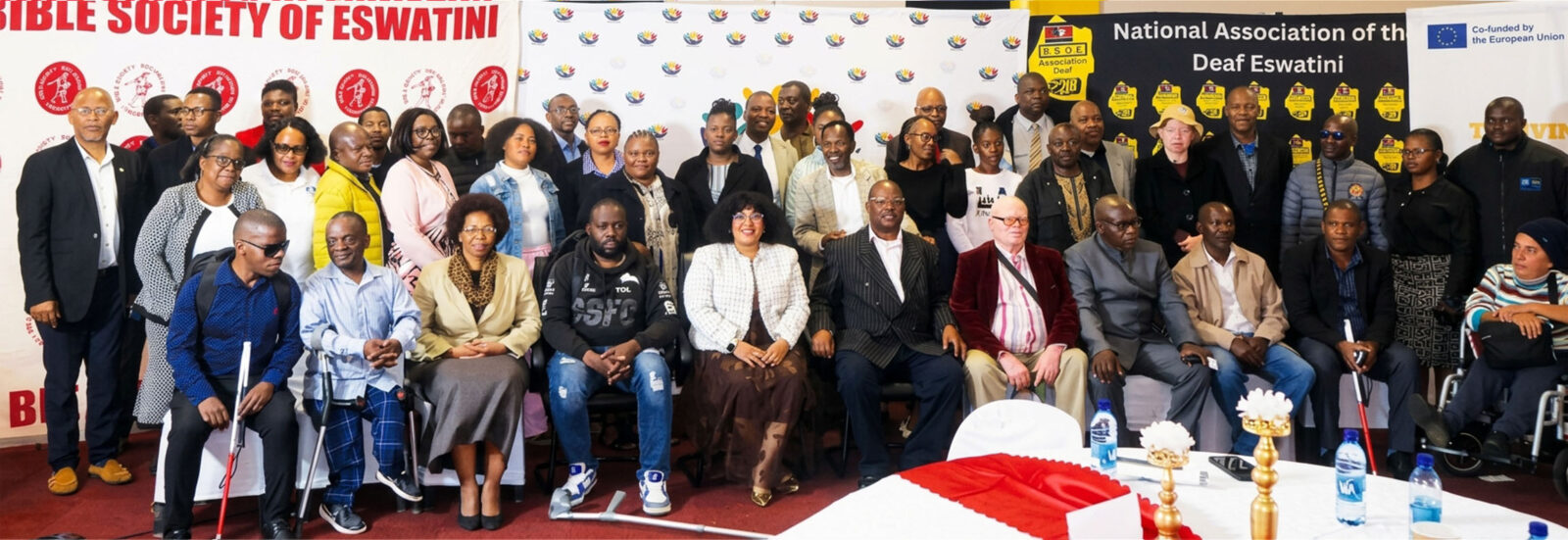
Eswatini is also strengthening its own disability framework. The country launched its Costed National Disability Plan of Action for 2026–2028 in July 2026. The plan provides financing requirements, coordination mechanisms and accountability measures for disability inclusion and covers areas including education, health, employment, social protection, infrastructure, culture and emergency situations.













Leave a comment