

Madam,
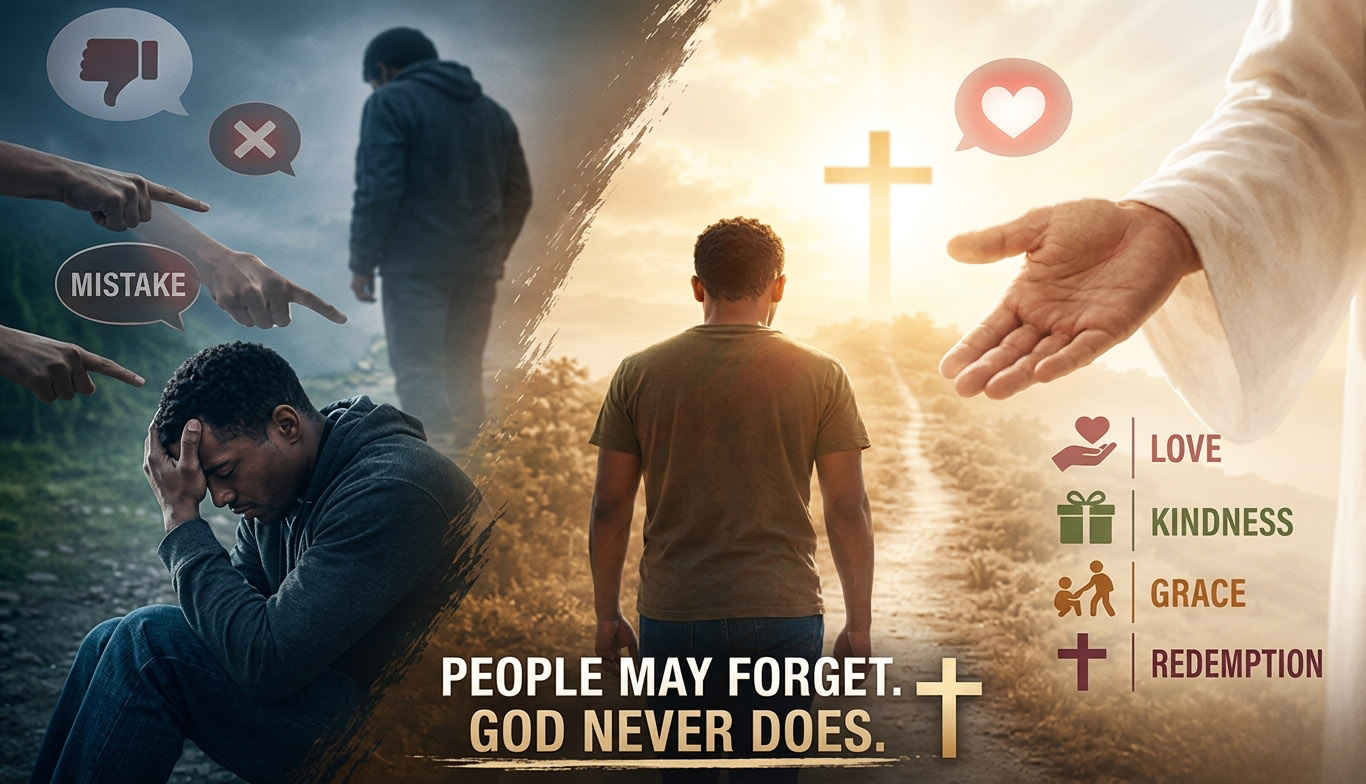
God is the only one who looks at the good things you have done. At most, human beings only care about negatives. That is why I always say that there is nothing you can do for a person. You can feed them, educate them, give them shelter, give them love any day and that same person can turn against you. The world is full of individuals who expect gratitude for every kindness, yet they forget the countless acts of generosity that have been poured into their lives. In every society, people tend to magnify a single mistake while ignoring the mountains of good deeds that precede it, shaping relationships into fragile constructs that can collapse under the weight of a single misstep.
Remember, people forget good things and remember bad things. That is why relationships are difficult. How do you love someone who has eyes but cannot see?
We say love is blind because people do not see a person you have been cooking for every day since 2005; they can be angry with you because they came home and found nothing one time in 2026. The human mind is wired to latch onto negative experiences, using them as benchmarks for judgement, while the positive actions that sustain daily life sleep into obscurity. This selective memory creates an imbalance where affection and trust are tested repeatedly by the memory of a single offence, making the art of loving another a constant battle against forgetfulness and resentment. In many cultures, the expectation is that love should be unconditional, yet the reality is that humans often condition their affection on flawless performance, ignoring the imperfections that make people human. The paradox of loving someone who cannot truly see the efforts made for them reflects the deeper truth that appreciation is not always visible or acknowledged and this invisibility fuels disappointment and conflict in relationships. When it comes to humans, one bad thing deletes a million good things. But when it comes to God, one good thing deletes a million bad things.
The human psyche is prone to punitive thinking, focusing on retribution for wrongdoing and dismissing the accumulation of virtues. In contrast, divine judgment is often perceived as merciful, where a single act of goodness can outweigh countless transgressions, offering redemption and hope. This dichotomy illustrates the eternal flaw in human nature, which leans towards punishment and retribution, whereas spiritual belief systems emphasise forgiveness and the transformative power of good deeds. The psychological difference between man and God lies in the focus of each: Man obsesses over flaws and consequences, seeking justice in punishment, while God embodies an eternal truth of redemption, encouraging improvement and compassion. Understanding this contrast can reshape how individuals approach relationships, encouraging them to balance accountability with grace, recognising that every person carries both imperfections and virtues that shape their actions and reactions. The eternal truth of redemption suggests that focusing on positive actions can heal wounds created by negative ones, guiding people towards a more forgiving and constructive mindset in their interactions with others.
That is the difference in the psychology of man versus the psychology of God. Man is concerned about punishment. This is his eternal flaw. While God is concerned about redemption. This is His eternal truth. The awareness of this difference invites reflection on personal behaviour, urging individuals to adopt a mindset that values redemption over retribution, fostering environments where people feel encouraged to improve rather than punished for mistakes.
Embracing the principle of redemption can lead to healthier relationships, as it promotes understanding and growth instead of blame and resentment. In everyday life, recognising the divine emphasis on redemption can inspire people to focus on nurturing goodness, thereby mitigating the impact of negative actions and fostering a more compassionate society.
Mbuyiselo Sikhondze


















Leave a comment