

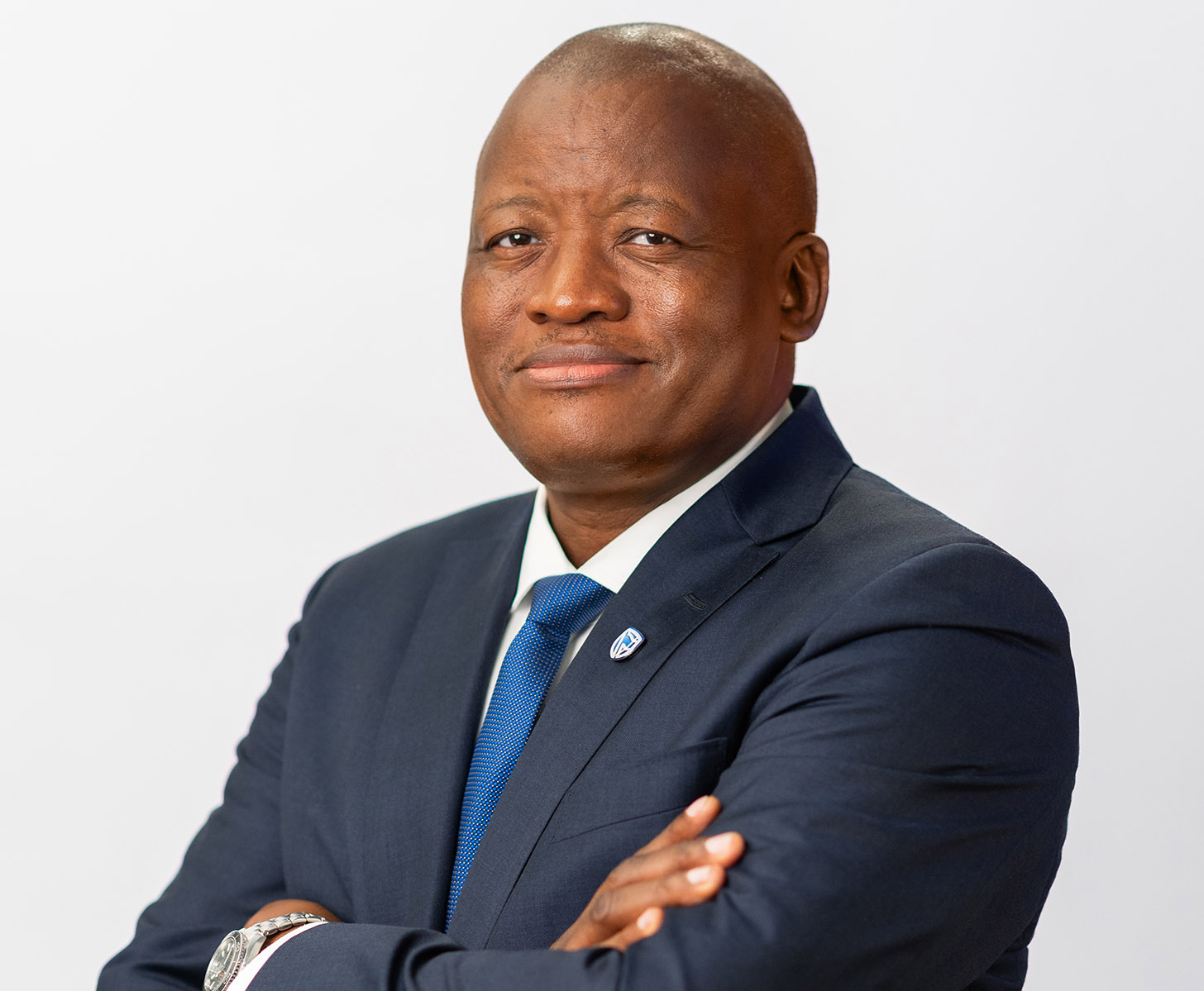
… as savings and cross-border trade activity accelerate
MBABANE – Africa’s economic momentum is gathering pace as rising savings, electronic payments and cross-border transactions point to increased participation in formal economic activity.
New figures from Standard Bank Group show deposits across its African operations increased by 12 per cent to E2.5 trillion, while the value of domestic electronic payments rose by 11 per cent and cross-border payment values grew by 7 per cent.
The trends are being viewed as signs of growing confidence among households and businesses, with more money entering formal financial systems and commercial activity expanding across national borders.
Standard Bank serves 19.5 million active clients in 21 African countries, giving it exposure to markets that collectively account for more than two-thirds of Africa’s gross domestic product (GDP).
As at June 30, 2026, Standard Bank Group had 19.5 million clients, employed over 50 000 people (including Liberty) and had over 1 200 points of representation and over 5 600 ATMs across the African continent.
The group’s largest shareholder is the Industrial and Commercial Bank of China (ICBC), the world’s largest bank, with a 19.7 per cent shareholding.
In addition, Standard Bank Group and ICBC share a strategic partnership that facilitates trade and deal flow between Africa, China and select emerging markets.
Lungisa Fuzile, Standard Bank Chief Executive for Africa Regions, said the figures provided evidence of increasing economic participation across the continent.
“What we are seeing across many markets is clear evidence of economic momentum,” Fuzile said.
He said deeper savings pools and greater use of formal financial services were strengthening the foundations for sustainable economic growth, alongside increased business activity and investment.
The growth in electronic payments is also providing a window into changing trade patterns.
Standard Bank said its cross-border payment activity had increased as businesses traded more extensively between African markets.
The bank has a 19 per cent share of cross-border payments across its African markets.
AfCFTA impact increasingly reflected in actual commercial activity
MBABANE – These developments showed that the impact of the African Continental Free Trade Area (AfCFTA) was increasingly being reflected in actual commercial activity rather than remaining confined to policy discussions.
“Every payment reflects a transaction. Every transaction reflects business activity. And every new trade corridor creates opportunities for growth, investment and job creation,” said Lungisa Fuzile, Standard Bank Chief Executive for Africa Regions.
He said the continued rise in payment flows suggested that greater economic integration was gradually becoming a reality for African businesses.
For countries such as Eswatini, which are closely connected to regional markets, stronger trade corridors and more efficient cross-border financial activity could create opportunities for businesses seeking to expand beyond domestic markets.
However, the ability to sustain this momentum will depend heavily on infrastructure.
Africa continues to face major infrastructure requirements in areas such as energy, water, transport, agriculture and digital connectivity. Standard Bank said it had mobilised R328 billion in sustainable finance since 2022, including R50.6 billion in the first six months of 2026.
The financing has supported projects ranging from renewable energy and water infrastructure to agriculture, transport and economic inclusion.
Such investment, the bank said, is helping address structural constraints that have historically restricted productivity and economic expansion, while creating conditions for stronger regional trade and investment.
The need for infrastructure is being intensified by rapid population growth and urbanisation, which are increasing demand for housing, energy, transport, financial services and digital connectivity.
Fuzile said Africa’s next phase of growth would, therefore, depend on infrastructure development being matched by broader economic participation.
“Africa’s next growth phase will be driven by improved infrastructure networks coupled with increasing economic participation by larger numbers of Africans, both men and women,” he said.
He said the continent had considerable untapped demand extending beyond financial services to sectors including housing, energy, logistics, digital connectivity and entrepreneurship.
“As barriers to commerce continue to fall and economies become more connected, we expect that demand to translate into even greater levels of economic activity, investment and growth,” Fuzile said.
The combination of stronger savings, increased digital transactions and expanding cross-border activity points to an increasingly interconnected African economy.
The challenge for policymakers and businesses will be to convert this growing participation into sustained investment, productivity and inclusive economic growth.

















Leave a comment