

Madam,
Sometimes, the most powerful demonstration of inclusion is not found in a policy document or a conference speech. It is found in a young person being given the opportunity to show the world what he can do.
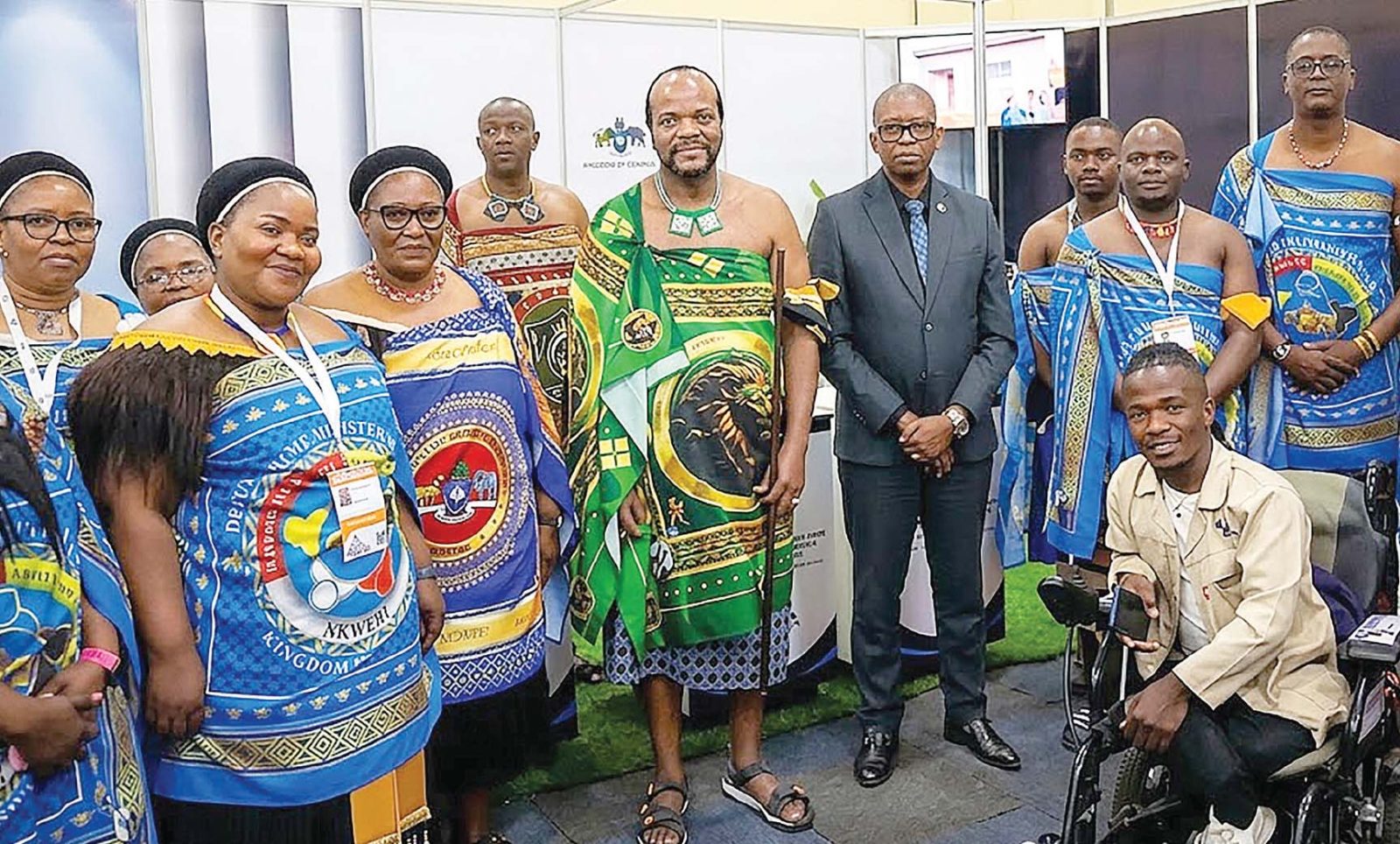
His Majesty King Mswati III’s recent encounter with Sifiso Maseko, a young man with a disability, was one such moment.
During the visit to the Deputy Prime Minister’s stall at Pavilion 2, Maseko proudly showcased his remarkable invention, a standard wheelchair that he had transformed into an automobile. It has lights, indicators and a hooter, all powered by a rechargeable battery.
What a beautiful reminder that disability does not mean inability.
Too often, society sees the wheelchair before it sees the person. We see the disability before we see the creativity, intelligence, ambition and potential. Maseko’s invention challenges that way of thinking.
He did not need society to feel sorry for him. He needed an opportunity and he grabbed it with both hands.
This is precisely why Eswatini’s commitment to disability inclusion matters. The 2024–2028 National Disability Plan of Action, developed through collaboration involving government, organisations of persons with disabilities and development partners including UNESCO, sets out a vision of full participation and equal opportunities for persons with disabilities in political, socio-economic, cultural and technological life.
Maseko is what that vision looks like when it comes alive.
His story shows us why inclusion is not simply about providing wheelchairs, ramps or other assistive devices, although those things are important. It is also about creating an environment where people with disabilities can participate, innovate, earn a living and contribute to society on an equal footing.
The National Disability Plan recognises areas such as skills development and employment, education, social protection, infrastructure and participation in sports and culture as priorities. These are not acts of charity. They are investments in people.
There are many young people like Maseko who have made a difference in our communities, but have never been given the spotlight and their dreams never bloomed. How many inventions, businesses and talents are we losing because we continue to define people by their limitations?
Perhaps the lesson from Maseko is that inclusion should not mean simply making room for people with disabilities to sit among us. It should mean making room for them to lead, create, innovate and change the country with us.
We should, therefore, celebrate moments like this, but we should also ask what comes next. Can his invention receive the technical support it needs? Can it be developed further? Can young innovators with disabilities access funding, training and markets? Can our institutions deliberately create pathways for such talent to grow?
That is where true inclusion begins.
A country that leaves no one behind is not one where everyone is treated exactly the same. It is one where everyone is given a fair opportunity to contribute according to their abilities. Maseko has shown us what is possible when creativity is given a chance.
His wheelchair may have been transformed into an automobile, but perhaps the greater transformation is the one his story demands from all of us: To stop seeing disability first and start seeing ability.
Lusito Tsabedze









Leave a comment