Madam,
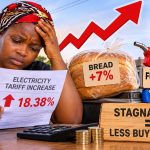
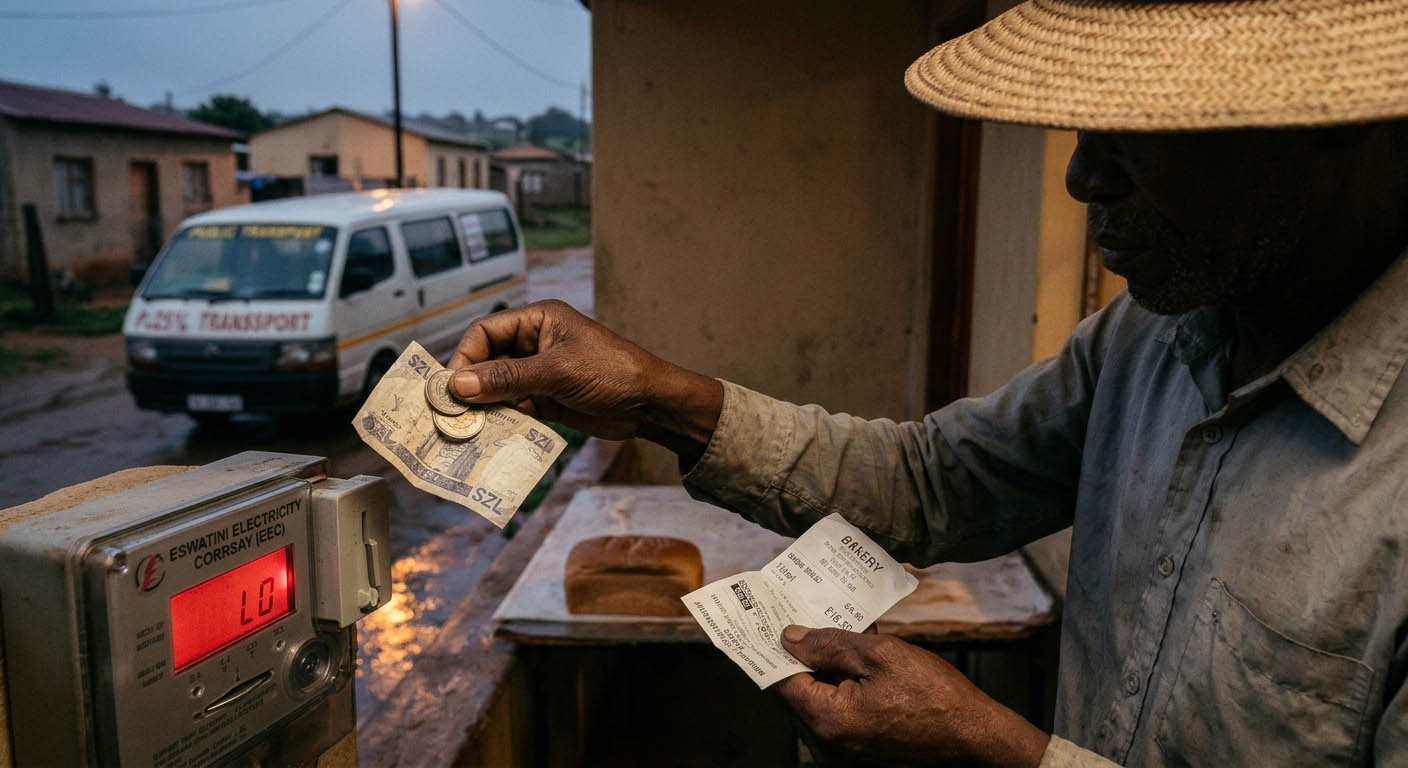
Here we go again. Barely seven months after the last electricity tariff adjustment, the Eswatini Electricity Company (EEC) is seeking another increase, this time by 18.38 per cent for 2027/28, followed by a further 14.68 per cent the following year. For ordinary households, these figures are not just percentages. They mean getting fewer units for the same money. A household that spends E100 on prepaid electricity and currently gets 35 units could get only 29 units next year and 24 by 2028. This is becoming difficult to keep up with, especially for families that are already struggling to make ends meet. The truth is that emaSwati are tired. The cost of almost everything keeps going up, but salaries are not keeping pace. We have had two bread price increases, with a brown loaf now costing more than E16 and a white loaf approaching E19.
Fuel prices have also been adjusted repeatedly, while public transport fares will tomorrow go up by 25 per cent. For someone who has to pay for transport, buy food, keep the lights on and still meet other household expenses, there is very little room left.
Even on social media, one can hear people saying, ‘abente loku labakufunako, after all, batawenyusa’. It is not necessarily because people agree with what is happening, but because some have become so frustrated that they no longer know what else to say and their anger is justified.
EEC says it needs E4.68 billion in revenue, largely because electricity imports account for 61 per cent of its budget, while it is also dealing with E533 million in past under-recoveries. Economist Sanele Sibiya has warned that delaying cost-reflective tariffs could result in bigger increases later, while the IMF has raised concerns about the financial position of utilities and the possibility of taxpayer-funded bailouts. These concerns cannot simply be ignored. Nobody wants an electricity company that cannot meet its obligations or a country struggling with power shortages.
However, consumers cannot be expected to carry the burden every time the cost of supplying electricity increases. We have to ask why Eswatini remains so dependent on imported electricity, with about 70 per cent of its supply coming from outside the country. More could have been done over the years to develop local solar, hydro and biomass projects. Greater investment in domestic energy production would help reduce exposure to expensive imports.
Before asking households to pay more, EEC must also show what it is doing to control its own costs, reduce unnecessary expenditure and support local energy generation.
Consumers deserve to see that every effort is being made to avoid passing additional costs onto them.
ESERA’s public consultations, starting on November 24 across the four regions, give ordinary people an opportunity to raise these concerns. Workers, parents, commuters and small business owners should make their voices heard and the people’s concerns must not fall on deaf ears.
Electricity is no longer a luxury. It is part of everyday life and every proposed increase has consequences for household budgets. At some point, we must ask how much more ordinary emaSwati are expected to absorb while their incomes remain largely unchanged. A financially sustainable electricity sector matters, but so does the ability of people to afford the electricity they need.
Anonymous