

MBABANE – A flag, customised casket, gun salute, judges and police officers as pallbearers and a speech from throne.
These are some of the activities that characterised the funeral of the late Chief Justice (CJ), Bheki Maphalala.
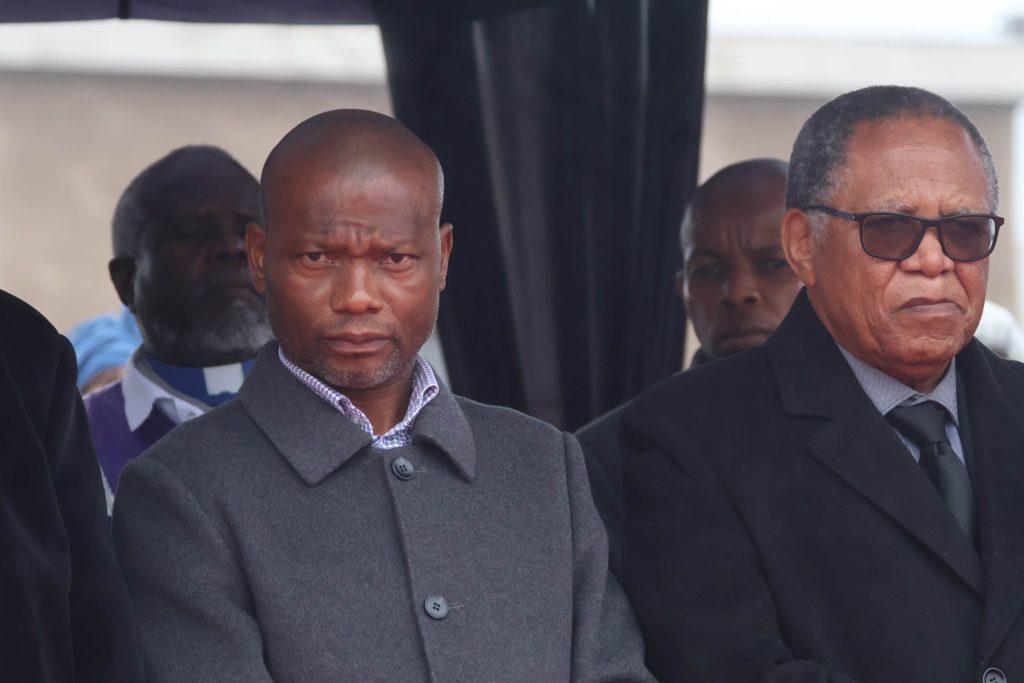
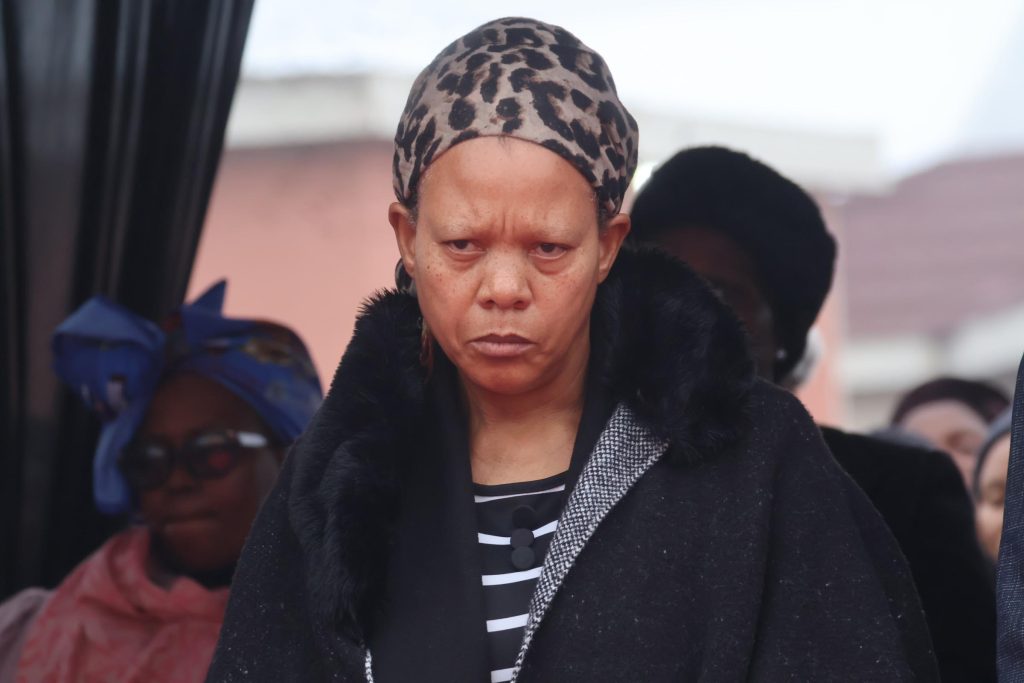
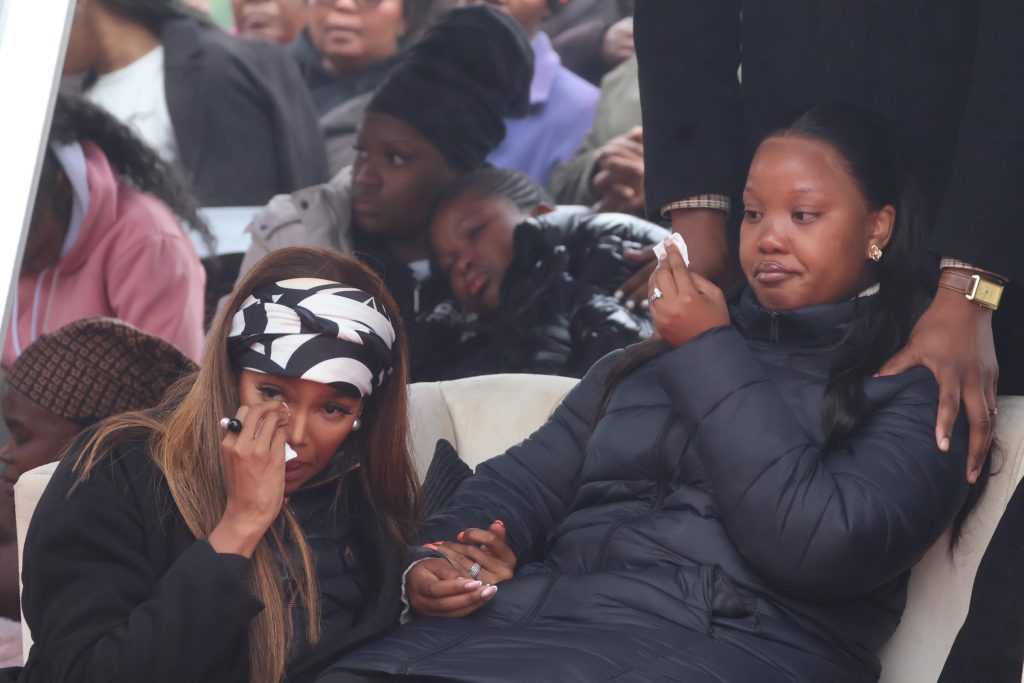
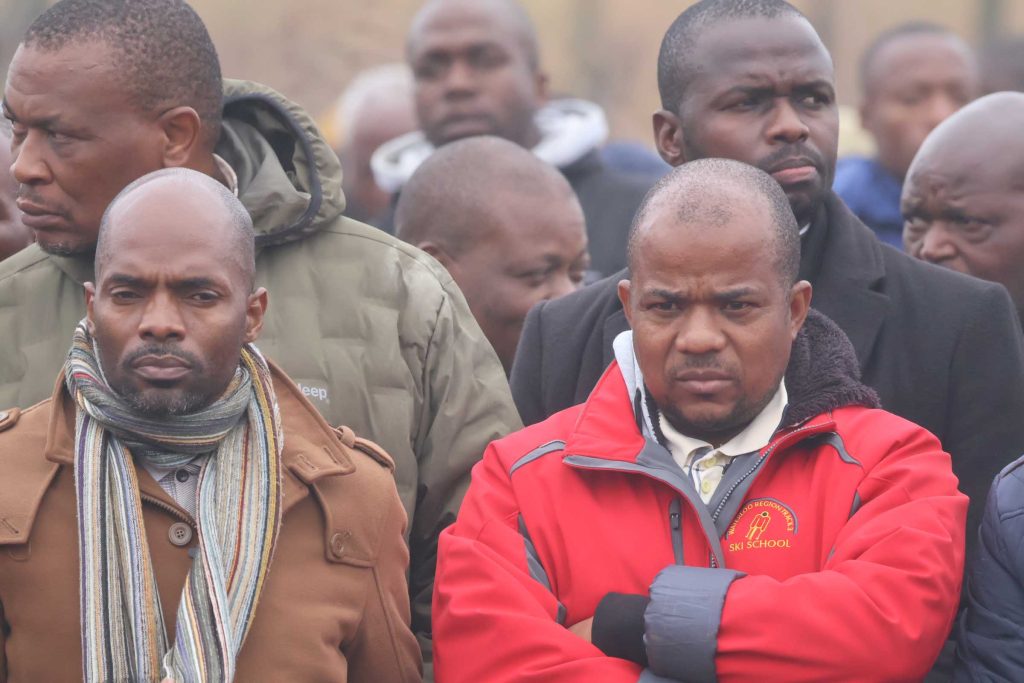
But, unlike most funerals where there is usually wailing of mourners, a solemn silence replaced this.
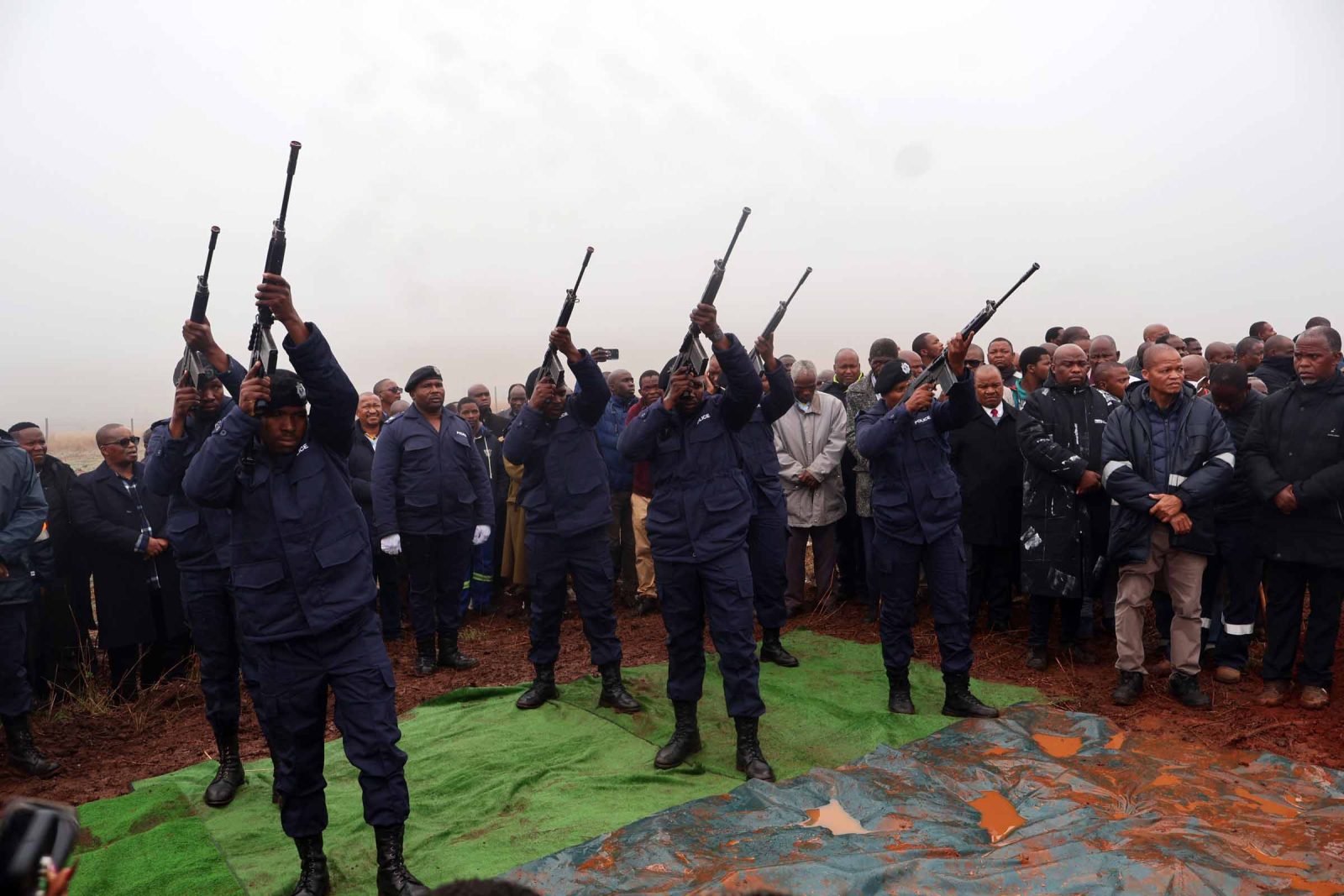
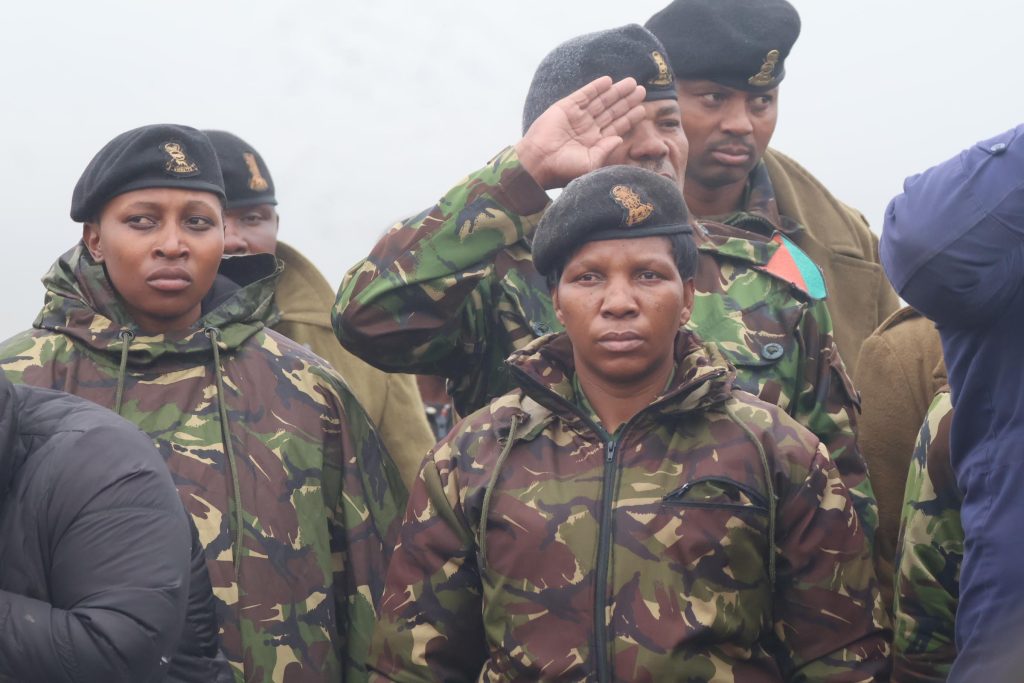
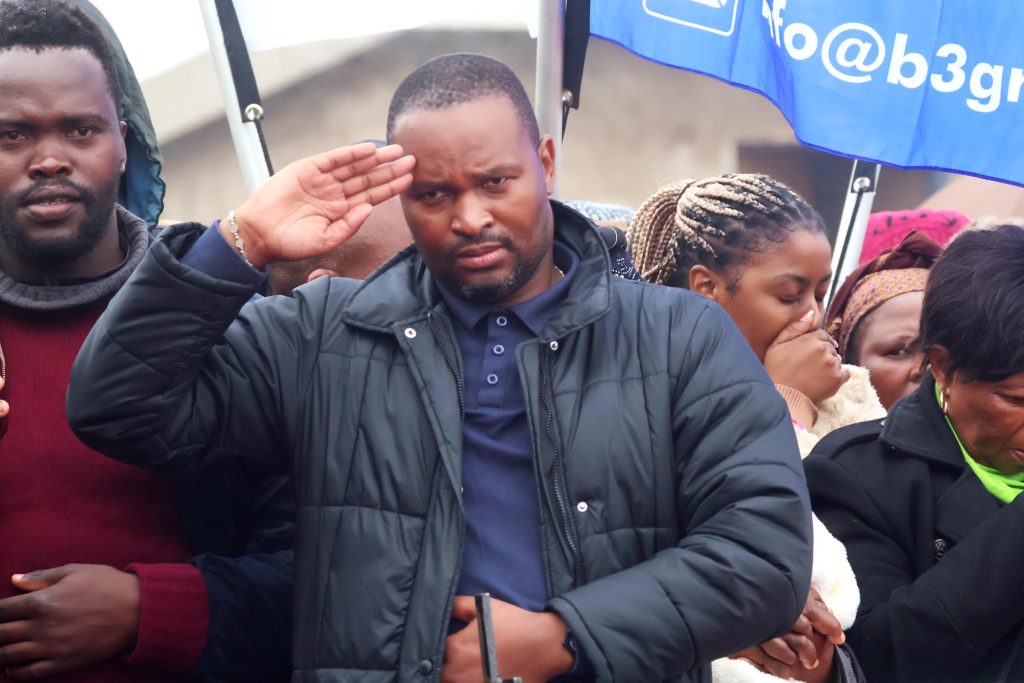
The CJ, fully known as, Bheki Cuthbert Moses Maphalala, was laid to rest at his parental home in Lawuba yesterday. The funeral brought together throngs of mourners from government, the Judiciary, surrounding communities and the Maphalala family, as well as a representative of Their Majesties. Maphalala was accorded a State funeral in recognition of his service to the country, with the ceremony marked by military-style honours, including a gun salute. The funeral was crawling with police and other security forces personnel, including warders, not for security purpose entirely, but to mourn a man whose duties were intertwined with theirs. Those who cried appeared mostly to sob quietly as mourners watched the final moments of the life of the country’s late chief justice. Minister for Tinkhundla Administration and Development stated that the restrained grief was itself a reflection of the kind of man Maphalala had been. He said during funerals, people usually cry until the box is lowered into the grave yet when someone who loves God dies, this is not usually the case.
Dlamini said Maphalala had a heart for helping many people even during grief and that he also assisted many with their livelihoods.
beyond the courtroom
Speaker after speaker described the late chief justice as a multi-faceted man whose life extended beyond the courtroom and the Judiciary.
He was remembered as a man who was effective in his professional duties, while also taking his responsibilities as a husband, father and member of the extended family seriously. Speakers said he ensured that his children were provided for and did not have to struggle, describing this as evidence of the importance he placed on his responsibilities at home. His in-laws from his five wives also paid tribute to him, with the families describing Maphalala as a loving person who went beyond the formal title of chief justice. To them, they said, he was not simply the country’s chief justice but a brother-in-law and a member of their families. The tributes painted a picture of a man whose identity was not confined to his position at the head of the Judiciary. His professional life was equally recognised during the funeral, with speakers recalling his contribution as chief justice and his role in the country’s justice system.
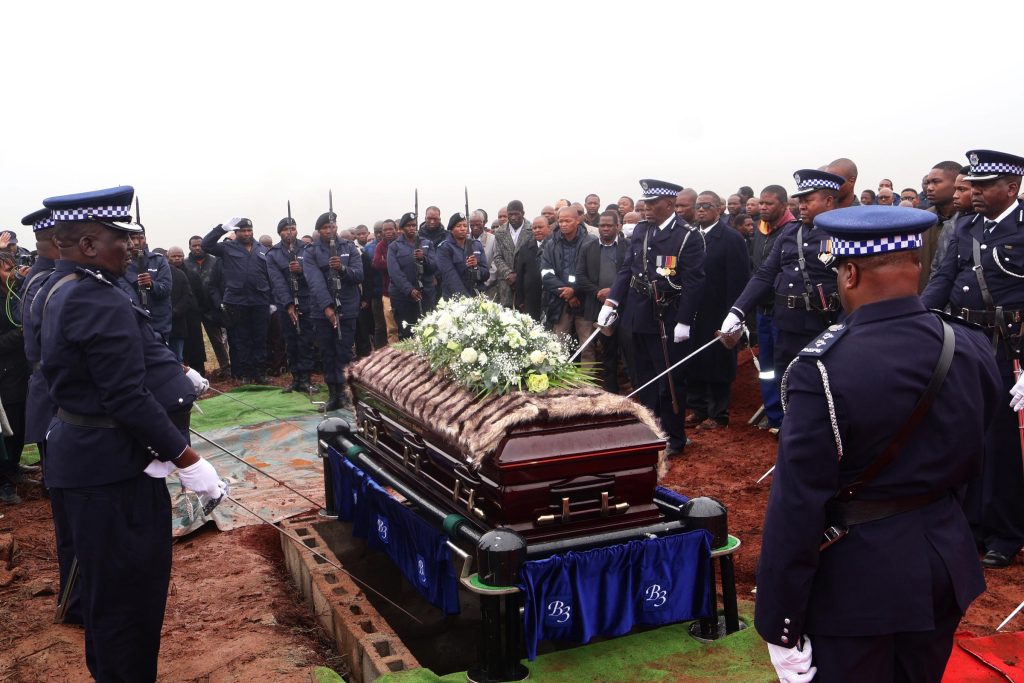
The ceremony took on a particularly solemn character when police officers took over the proceedings for the final journey to the gravesite.
Though he was buried in the morning, residents held a vigil as they waited inside a tent. In the morning, the casket was brought into the tent to head to the grave, at his homestead.
Judges initially carried his body. The officers carried Maphalala’s casket as they marched towards his final resting place, giving the procession the ceremonial character associated with a State funeral. The casket was covered with the national flag, signifying the State’s recognition of his service to the nation. It was a customised dark-brown, polished casket, with the name Bheki Cuthbert Moses prominently displayed in gold lettering. The handles were also finished in gold, adding to the ceremonial appearance of the casket.
The procession moved towards the gravesite as mourners watched in silence. Before the casket was lowered into the grave, the national flag was carefully removed. The final moments were marked by a gun salute as the casket was lowered.














Leave a comment