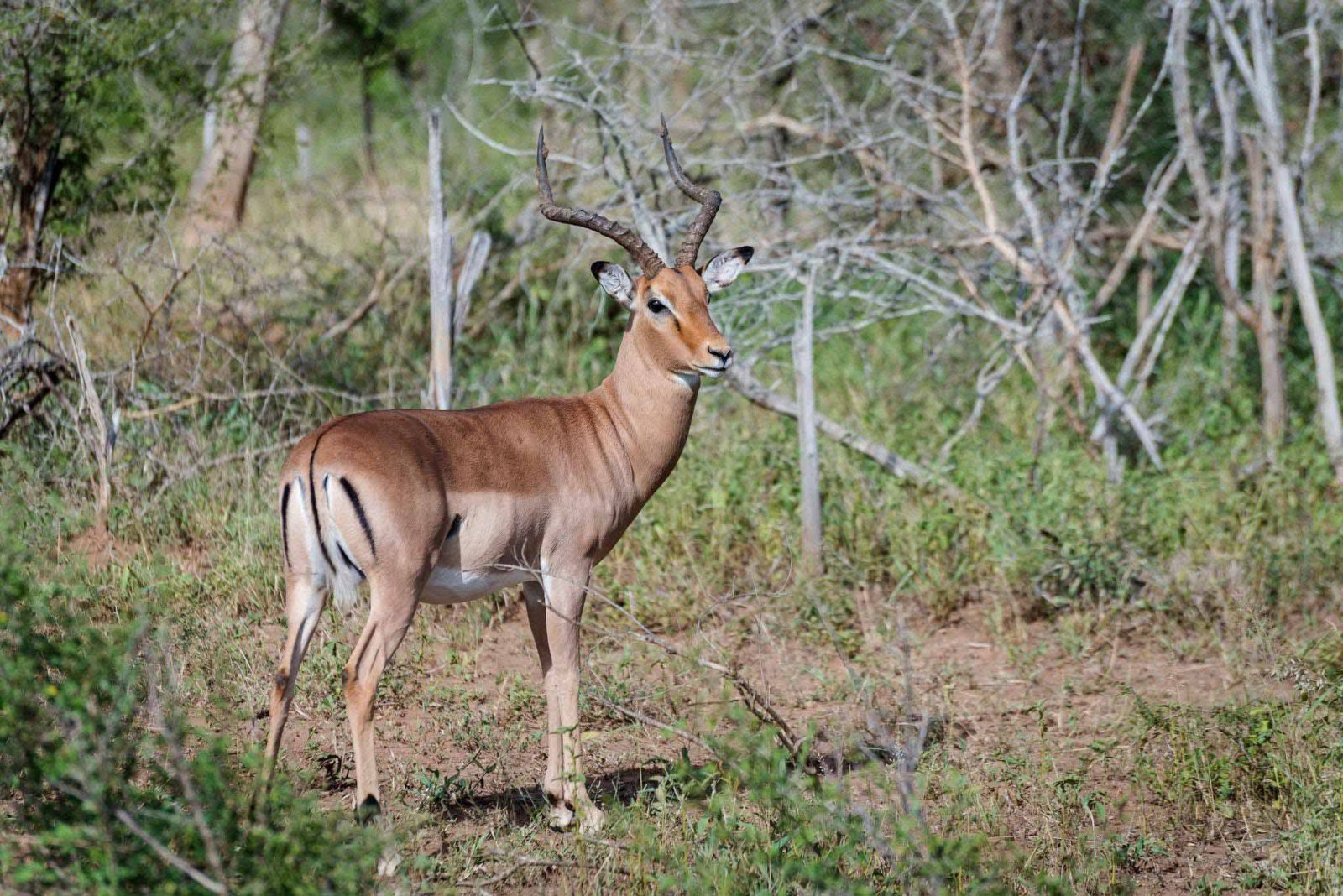
In Eswatini, the months of the year carry more than simple dates on a calendar; they are deeply intertwined with the rhythms of nature, culture and everyday life. October is known as Imphala in siSwati, a name that directly refers to the impala, the graceful and agile antelope found across Eswatini and much of Southern Africa.
This connection makes Imphala an evocative name for the month. As October arrives, Eswatini moves further into spring, bringing warmer days, greener landscapes and renewed activity in the natural world.
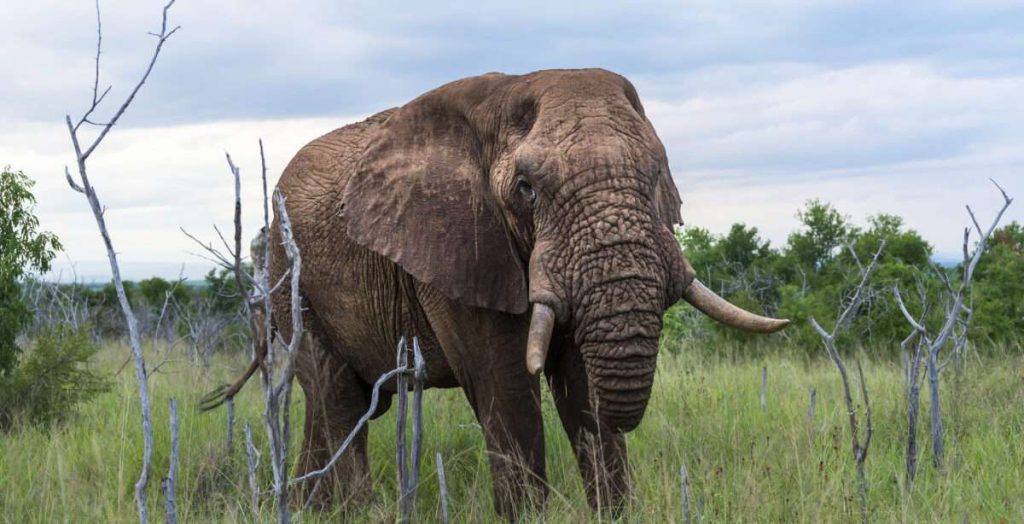
The wildlife of Imphala
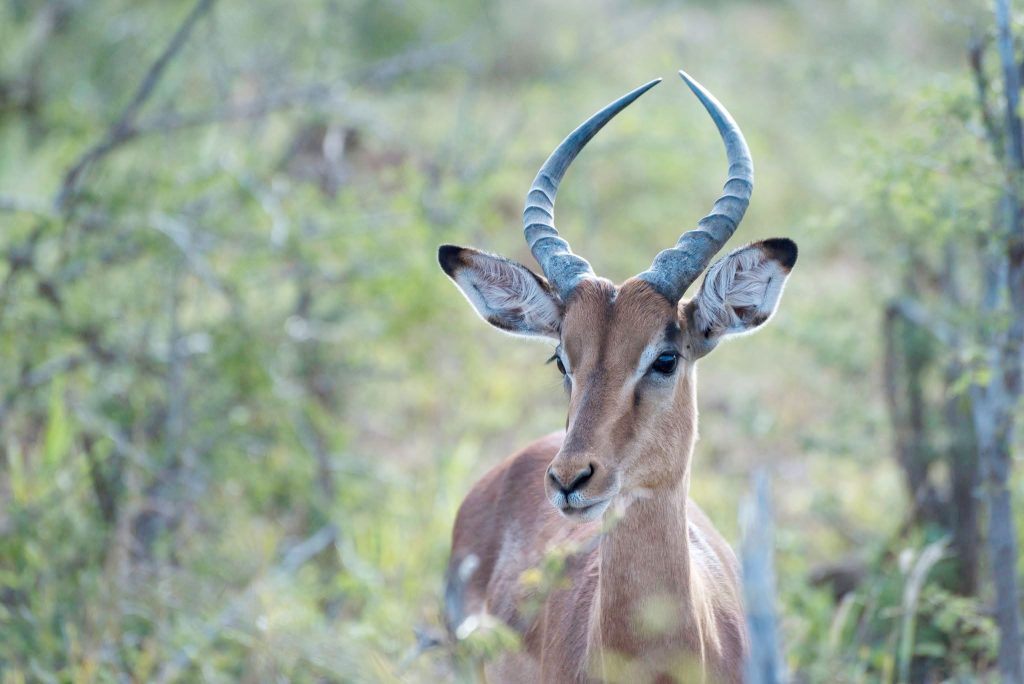
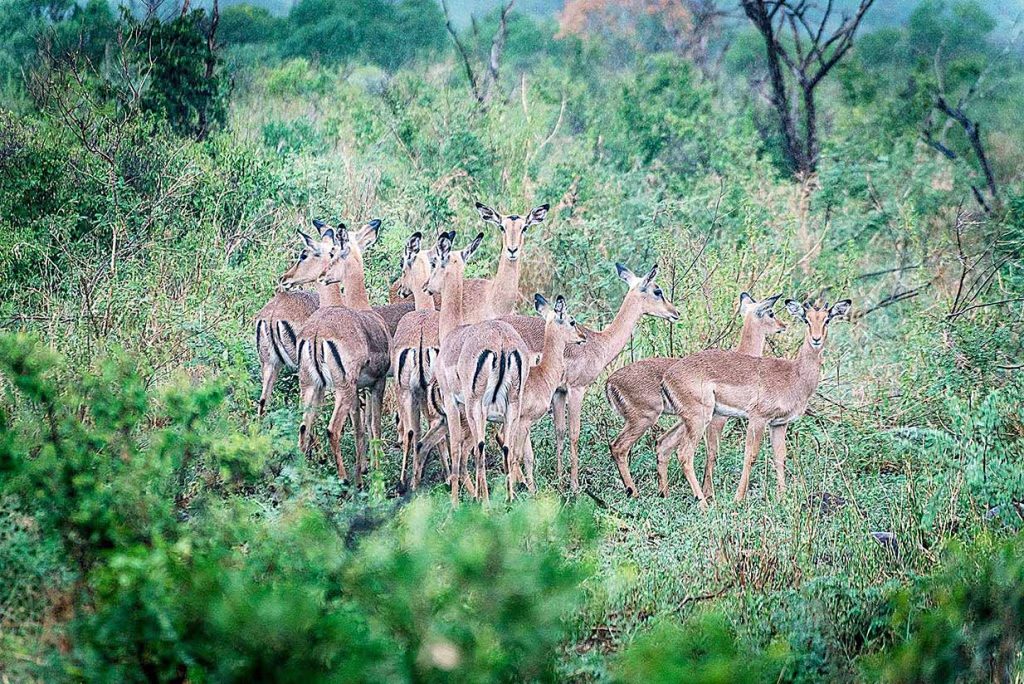
The impala is one of Africa’s most recognisable antelopes, celebrated for its reddish-brown coats, distinctive white markings and remarkable ability to leap across the landscape. In Eswatini, impala can be encountered in several wildlife areas, forming a vital part of the nation’s rich natural heritage. Seeing a herd moving through the bush, grazing beneath trees or suddenly bounding away reminds visitors of the wild character of the kingdom.
There is deep meaning behind October carrying this name. The month arrives with a distinct sense of movement and renewal as landscapes respond to warmer spring conditions. October is also the time when impalas give birth to their young. Following a rutting season in May and a gestation period of six to seven months, October welcomes adorable calves into the world. While impalas are among the most successful species across local reserves and are a guaranteed sighting on any safari drive, their prevalence can sometimes lead to them being overlooked. Yet, these graceful creatures hold a special place in the ecosystem.
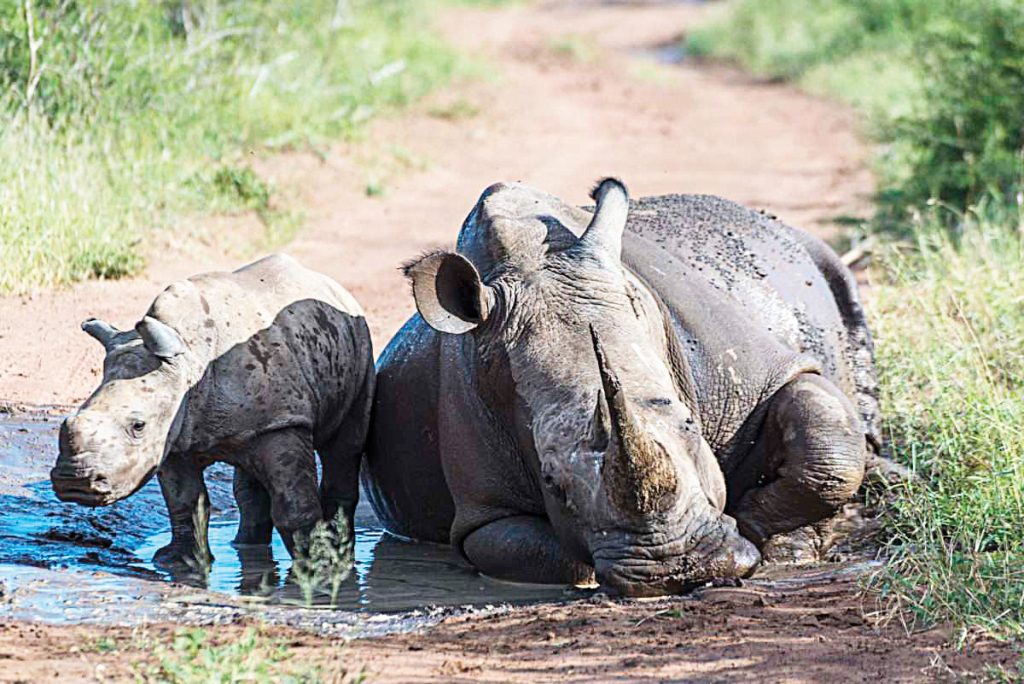
Cultural significance and heritage
Beyond their ecological presence, antelopes like the impala hold a valued place in Eswatini’s cultural fabric.
Wildlife fauna is traditionally linked to sustainable heritage practices, highlighted by events such as the historic Butimba royal hunting and conservation ceremonies.
Such age-old traditions reflect the harmonious relationship between emaSwati and their natural surroundings, emphasising sustainable wildlife utilisation, community unity and the preservation of indigenous customs across generations.
So, this October, take your family and go for a game drive to admire them. Whether you are observing a newborn calf taking its first steps in a reserve or reflecting on the deep ties between local fauna and national heritage, October offers a wonderful opportunity to experience the true spirit of the kingdom.
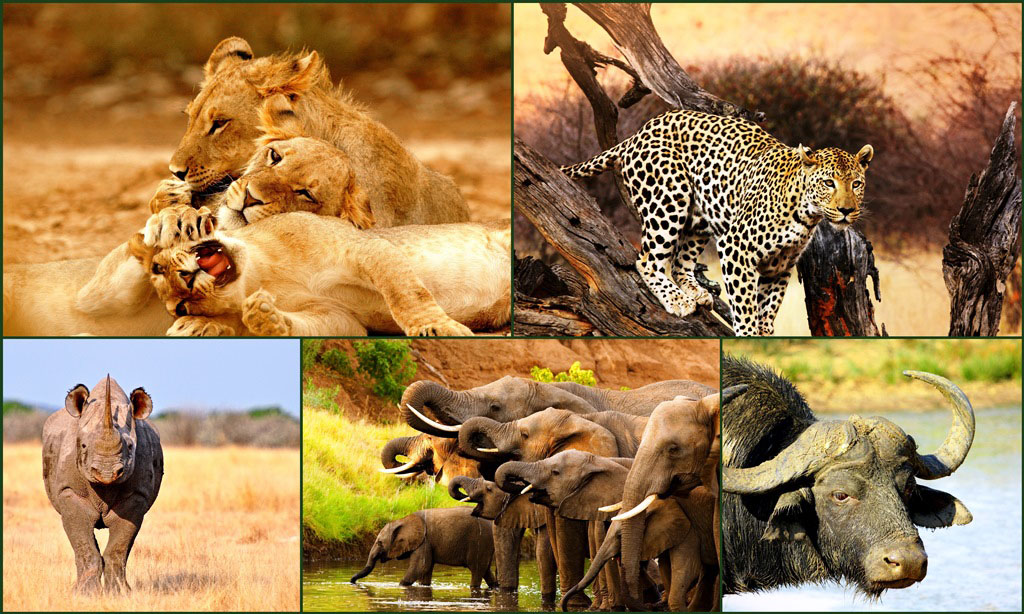
… nature, conservation, October’s floral splendour in Eswatini
As October sweeps across Eswatini, the landscape undergoes a breathtaking transformation.
Moving deeper into spring, the kingdom awakens with warmer days, revitalised ecosystems and a stunning burst of colour as native flora comes into full bloom. From the high-altitude montane grasslands of Malolotja to the Lowveld bushveld, October offers a remarkable showcase of the natural beauty that makes local tourism so enchanting.
A symphony of spring flora
Eswatini’s remarkable biodiversity is on full display during this time of year. Across nature reserves and rural hillsides, indigenous plants burst into life.
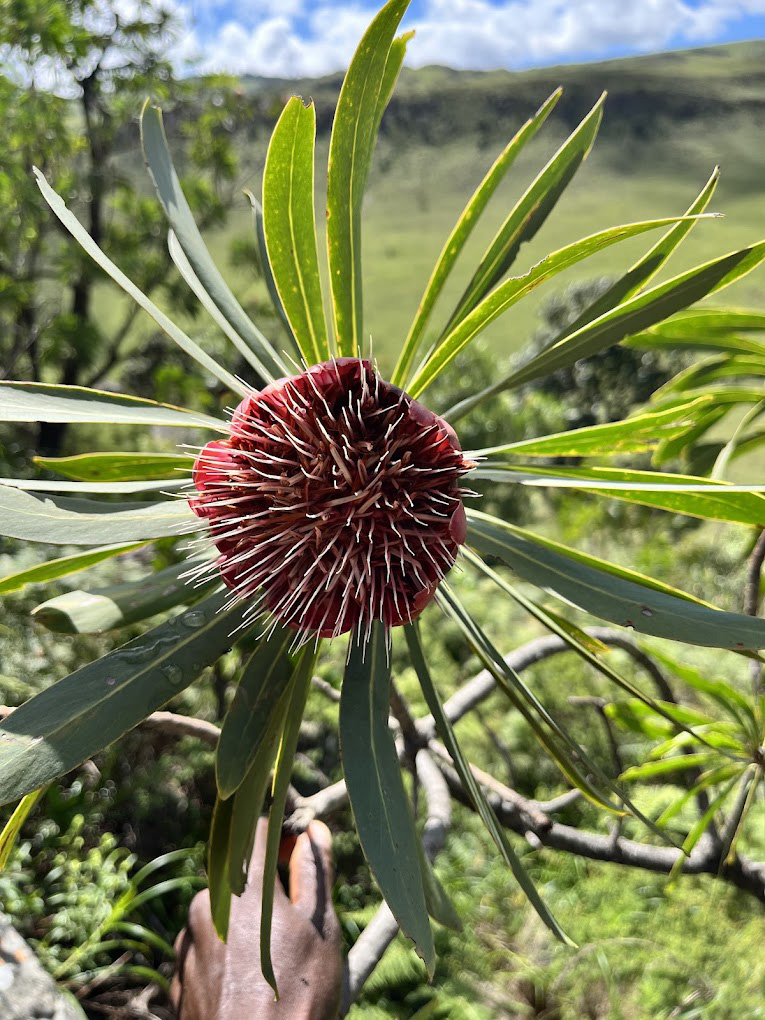
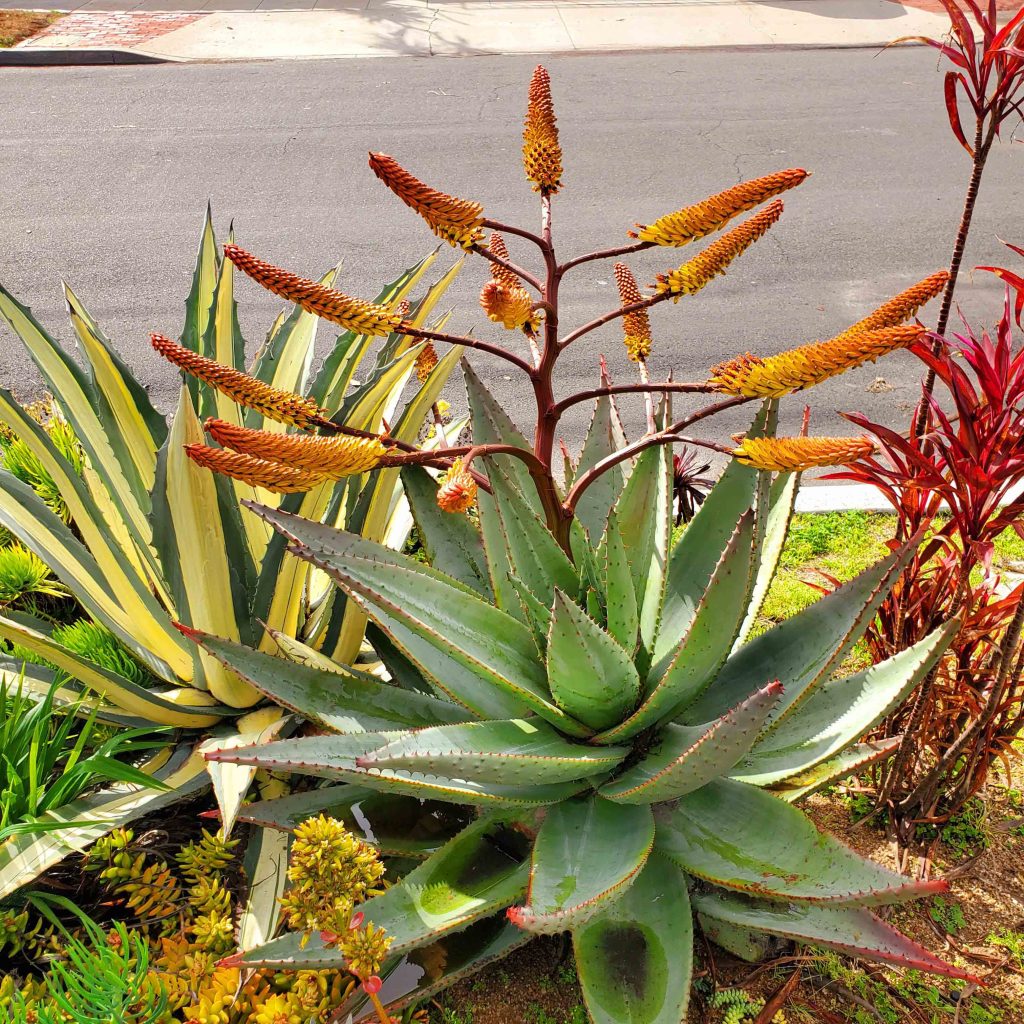
Striking aloes, delicate wild orchids and vibrant paintbrush lilies, such as those found thriving in the rocky outcrops and mist belts, paint the scenery in brilliant hues of red, orange and yellow.
This seasonal awakening is more than just a visual treat; it is a vital ecological heartbeat. Wildflowers and indigenous trees provide essential nectar and food sources for pollinators, insects and birdlife, maintaining the delicate balance of our local food chains.
The heart of conservation
Yet, celebrating this seasonal splendour requires a conscious commitment to environmental stewardship. Conservation in Eswatini is an active responsibility that involves protecting natural habitats from threats like runaway fires, soil erosion and the encroachment of alien invader flora.
Fast-growing foreign plants can easily choke out indigenous vegetation, robbing native wildlife of their natural shelter and food sources.
Safeguarding our natural heritage starts with everyday awareness.
Whether it is respecting local fauna during a game drive, planting indigenous trees or keeping our protected areas free from plastic contamination, every action counts. EmaSwati have long understood the deep connection between community well-being and environmental health, preserving natural resources so that future generations can continue to enjoy them.
Explore and Protect
This October, take the opportunity to step outside and experience the kingdom’s vibrant botanical wealth first-hand. Whether you are taking a leisurely hike to admire the montane wildflowers or exploring the lush Lowveld, remember that you are an explorer in a truly unique ecological landscape.