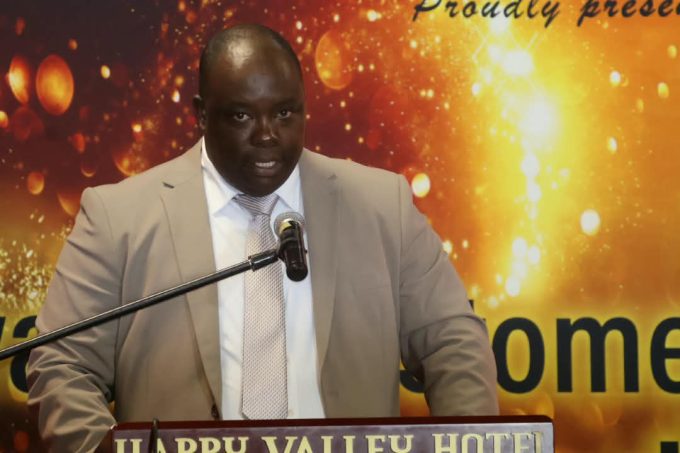
LOBAMBA – Three government ministries must account to the nation for the funds allocated towards youth empowerment and the fight against unemployment, Mbabane East Member of Parliament (MP) Welcome Dlamini has demanded.
Dlamini said the ministries of Sports, Culture and Youth Affairs, Economic Planning and Development, and Agriculture should explain how they had utilised the resources allocated to them to create opportunities for young people, particularly at a time when youth unemployment remained a major national concern.
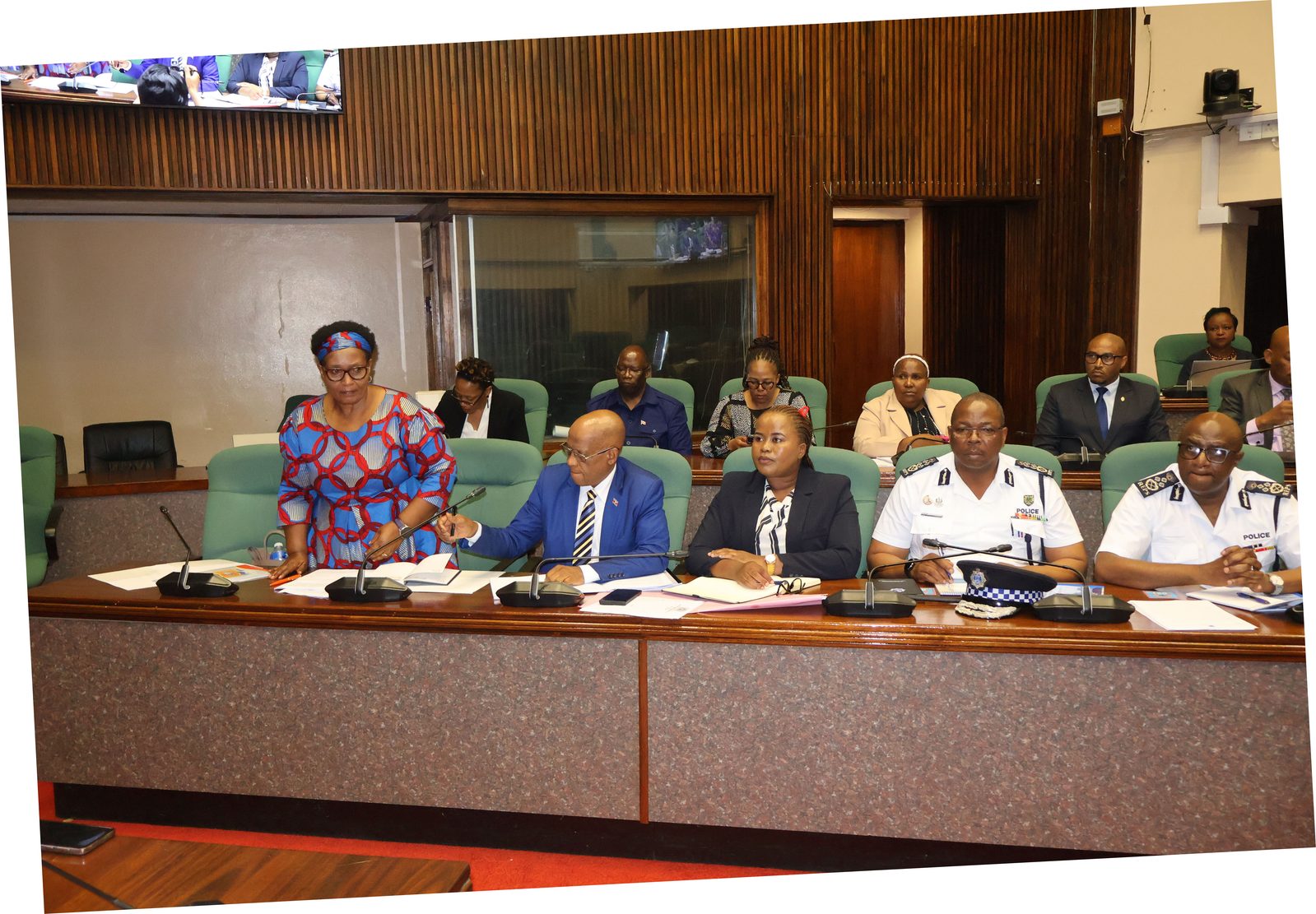
He made the submission yesterday during the House of Assembly Portfolio Committee debate on the Prime Minister’s Office (Private and Cabinet) second quarter performance reports.
The MP said the overwhelming number of young people who turned up for the recent police recruitment exercise should serve as a wake-up call to government that unemployment had reached alarming levels and that business could no longer continue as usual.
He argued that Parliament had approved substantial amounts of money intended to empower young people but questioned whether the resources were producing the desired results. “On the issue of youth unemployment, I think the PM did see the numbers of young people who showed up for police recruitment. This means that it must not be business as usual. Parliament approved monies that should go towards youth empowerment,” Dlamini said.
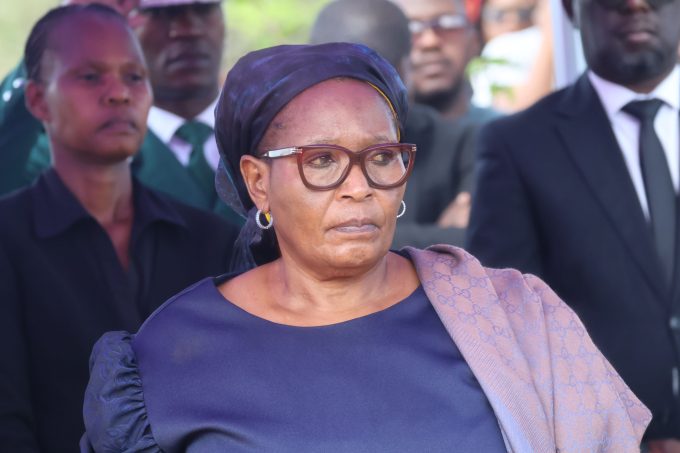
He called on Acting Prime Minister (PM) Thulisile Dladla to summon the three ministers and demand explanations on how the funds had been spent and what tangible benefits had been realised.
Leadership
Dlamini further invoked the leadership style of the late former Prime Minister Barnabas Dlamini, whom he said would not have allowed the situation to continue without decisive intervention.
He said the former prime minister would have demanded accountability and ensured that those responsible for youth empowerment programmes were compelled to demonstrate results.
“PM must call the ministers for Sports, Economic Planning and Agriculture and ask them where all those monies went. You remember the late Prime Minister Barnabas Dlamini; things were never allowed to go on as normal. Here, there are three ministers who have been allocated monies for the youth. I miss former PM Barnabas Dlamini,” he said.
The MP, however, clarified that his remarks were not intended as criticism of the current PM but were meant to illustrate the kind of decisive action he believed was necessary to address the unemployment crisis.
shake-up
“I am not referring to the current PM. All I am saying is that the former PM would have made sure that there was a shake-up,” he added.
Responding to the concerns, Acting Prime Minister Dladla acknowledged that the large turnout of young people during the police recruitment exercise had exposed the extent of unemployment in the country.
She described the recruitment exercise as an eye-opener for government and the entire nation, saying the number of applicants had shocked authorities and demonstrated the scale of the challenge facing the country.
Dladla said the police service had been overwhelmed by the number of young people seeking employment, adding that the experience should serve as a lesson to government departments and other institutions that were yet to undertake similar recruitment exercises.
“The issue of recruiting young people into the police service has been an eye-opener to all of us as government, all the arms of government and the whole nation. It shocked us that so many young people are out of jobs. As the police, we were overwhelmed,” she said.
She stressed that government was not celebrating the high turnout but instead regarded it as a serious indication that more needed to be done to create employment opportunities. “But this does not mean that we are celebrating. It is a big lesson. Even those who are still to recruit, we hope they have learnt a lesson and will do better,” Dladla said.
accountability
On Dlamini’s demand for accountability from the three ministries, the acting PM agreed that the departments responsible for youth empowerment and employment creation should return to Parliament to explain how the available resources were being utilised.
She said the police recruitment experience had reinforced the need for government to assess whether existing interventions were adequately addressing unemployment and whether the funds allocated towards such programmes were reaching their intended beneficiaries.
“Your questions on unemployment and what we have seen with the police recruitment mean that the ministries responsible must come to Parliament and we discuss what exactly needs to be done to address unemployment in the country with the funds that have been made available,” she said.
Dladla further pointed out that the World Bank had also provided funding towards interventions intended to address the country’s development challenges, saying the responsible ministries needed to account for how such resources were being used.
She said the ministries should provide details of the programmes being implemented, the number of young people expected to benefit and the employment opportunities likely to be created.
“The World Bank has pumped in monies, so the ministries must indeed come back, either through the prime minister after he has received all the information, to detail what is being done and how many youth will benefit,” she said.
The acting prime minister’s response suggests that the concerns raised by MPs could lead to further parliamentary engagement with the ministries responsible for youth development, economic planning and agriculture.
At the centre of the debate was whether the considerable resources channelled towards youth empowerment were translating into meaningful economic opportunities, or whether government needed to reconsider how such programmes were designed, implemented and monitored.
For Dlamini, the massive turnout at the police recruitment exercise was evidence that the unemployment crisis could no longer be addressed through routine government interventions but required urgent action and accountability from those entrusted with the allocated funds.