
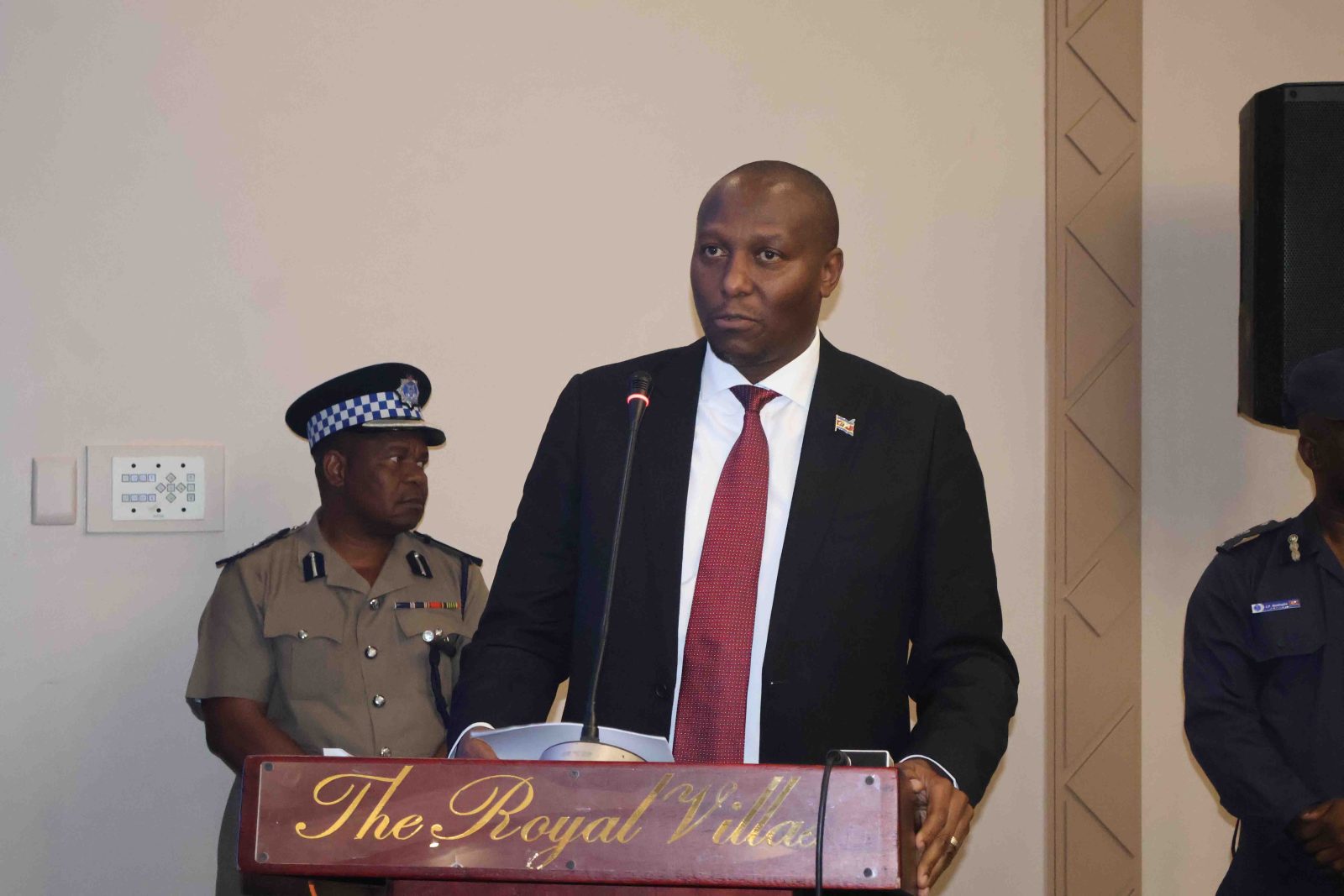
EZULWINI – Prime Minister Russell Dlamini says government will be judged by results, not the meetings it holds.
Dlamini was speaking at the Royal Villas yesterday, when officially opening the First Semi-Annual Government Performance Review, which brings together ministries to assess progress made in implementing commitments set at the beginning of the financial year.
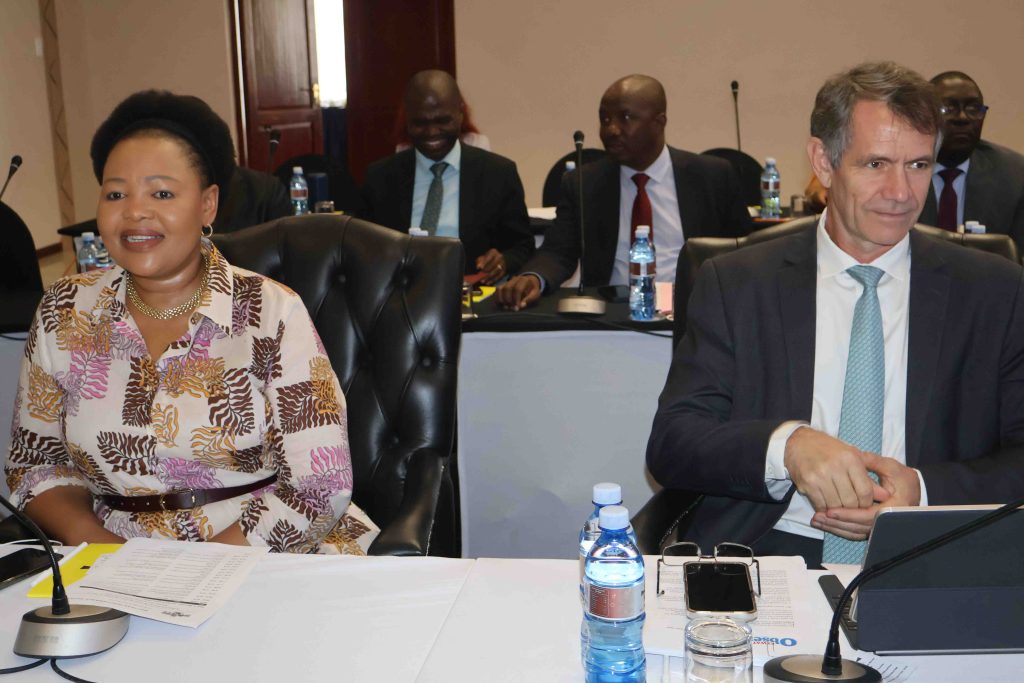
The review is intended to establish whether the priorities agreed upon by Cabinet have translated into action and improvements in the lives of the people. It also provides an opportunity for ministries to account for work completed, outstanding commitments and the reasons for any deviations from their plans.
The prime minister said the exercise should not be viewed as a punishment or an opportunity to apportion blame. Instead, he said, it should be approached as a process of leadership, institutional learning and strengthening public administration.
He said government needed an objective assessment of its performance, particularly because public resources were being used to implement programmes intended to respond to the needs of emaSwati.
Dlamini said the review should help government understand what had been achieved, what remained outstanding and what needed to change to improve implementation.
He emphasised that ministries should not mistake activity for achievement, expenditure for development or the completion of administrative processes for the attainment of national objectives.
The prime minister said the people did not benefit simply because government held meetings, prepared reports or made promises. They benefitted when policies were implemented, services improved, employment opportunities expanded and economic activity flourished.
He highlighted that the real measure of government performance was whether its programmes made a difference to people’s lives.
The review comes after government presented its first-ever Government Performance Report for the 2025/2026 financial year in August. The report, presented by Dlamini, showed that government’s overall performance had improved from 22 per cent in the first quarter to 48 per cent for the financial year.
However, the 48 per cent score also showed that government had not achieved more than half of its targeted programmes during the period under review.
The report identified several challenges affecting implementation, including delays in the release of budgets, procurement bottlenecks, difficulties in coordination between ministries, legislative delays and dependence on external funding partners.
It also highlighted weaknesses in planning and reporting as factors that contributed to delays in implementing planned outputs.
The findings provided an assessment of government’s implementation of the Nkwe Programme of Action during the 2025/2026 financial year. They also highlighted the need for ministries to improve execution and ensure that national commitments translated into tangible benefits.
The latest review is therefore another opportunity for ministries to examine their performance and determine whether commitments made at the beginning of the current financial year are being delivered.
Dlamini said each ministry was expected to provide a candid and evidence-based account of its performance. This should clearly show what had been planned, what had been accomplished, what remained outstanding and the reasons for any failure to meet the agreed targets.
He stressed that ministries should not conceal shortcomings or present reports that merely listed activities undertaken without demonstrating the results achieved.
The prime minister further stated that, the assessment needed to distinguish between poor effort, institutional weaknesses and resource constraints. This would enable government to identify the actual causes of underperformance and determine the appropriate corrective measures.
He said it would not be useful to treat every missed target in the same way, as different challenges required different interventions.
Where shortcomings resulted from poor effort, the relevant issues needed to be addressed. Where institutions were affected by weaknesses in their systems, those weaknesses had to be identified and corrected. Where resource constraints had affected delivery, government needed to understand the limitations and consider how they could be addressed.
He also called for stronger cooperation between ministries, noting that government’s priorities could not be achieved if institutions worked in isolation.
The prime minister pointed out that, ministries needed to recognise that some national objectives required joint planning and implementation. Cooperation was, therefore, necessary to ensure that government’s programmes were delivered effectively.
He further emphasised the importance of meritocracy in appointments and promotions within the public service. He said such decisions should be based on merit rather than favouritism or patronage.
He said the performance review should reinforce a culture in which responsibility, competence and delivery mattered.
Dlamini reminded ministries that the Government Performance Review was linked to the commitments made to emaSwati during Sibaya. These included calls for better public services, employment opportunities, improved healthcare, decisive action against corruption, economic growth and a government that was responsive to the needs of the people.
He said those expectations should remain central to the work of ministries and should guide the way public programmes were planned and implemented.
Government’s Five-Year Programme of Action and annual plans were intended to translate those national aspirations into practical improvements. However, he said, the existence of plans did not automatically mean that the people were benefitting.
The prime minister said government needed to demonstrate that its policies and programmes were producing results rather than merely being discussed or recorded in reports.
He outlined three expectations for the review: truthful assessment, constructive solutions and definite commitments that could be measured and implemented.
On truthful assessment, Dlamini said ministries had to be open about their performance and provide an accurate picture of progress. This meant acknowledging both achievements and areas where implementation had fallen short.
On constructive solutions, he said the review should move beyond identifying problems and focus on what needed to be done to address them.
The third expectation was that ministries should leave the review with clear commitments that could be measured and implemented. These commitments needed to identify what would be done and provide a basis for assessing progress.
He said the exercise should not end with discussions about challenges without a clear understanding of the steps required to improve performance.
Dlamini warned that time lost in implementing government programmes could not be restored through explanations.
He said ministries needed to appreciate the urgency of delivering on commitments, particularly because the people expected improvements in their daily lives.
The prime minister said government’s responsibility was not fulfilled by producing plans, holding meetings or completing administrative procedures.
The ultimate responsibility was to ensure that these processes resulted in better services, expanded employment opportunities and improved economic activity.
He said the review was part of an enduring performance management discipline and should not be treated as a once-off exercise.
Dlamini said government needed to maintain a culture of accountability in which ministries regularly assessed their work, identified weaknesses and took steps to improve delivery.
He said the process should strengthen public administration and ensure that the use of public resources was directed towards achieving the priorities set by government.
The prime minister said the country’s history would ultimately judge government by what it accomplished and the difference it made in people’s lives.
He emphasised that the judgment would not be based on the number of meetings held, reports produced or promises made, but on whether government had delivered on its commitments.
The review therefore places the focus on what ministries have done with the commitments made at the beginning of the financial year and what remains to be done before the year ends.
Dlamini said ministries should approach the exercise with honesty and a willingness to improve, adding that the purpose was to ensure that government’s development priorities were translated into measurable results for emaSwati.