

MBABANE – Eswatini’s economic growth is expected to accelerate in 2025, driven by large-scale investment projects.
However, the International Monetary Fund (IMF) has cautioned that the country’s long-term outlook remains dependent on deep structural reforms, fiscal consolidation and public sector digitalisation.
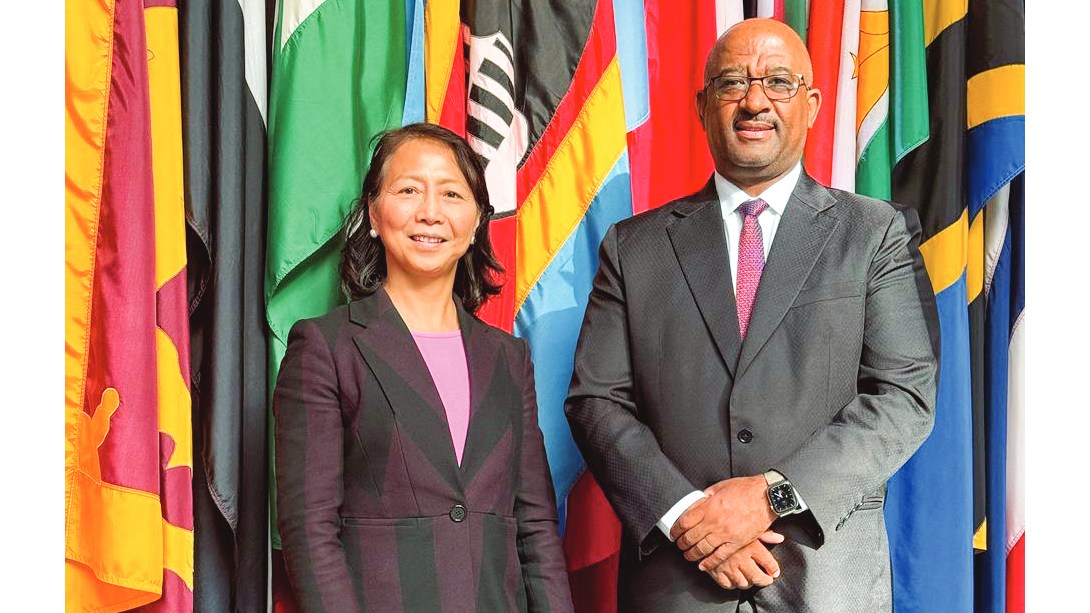
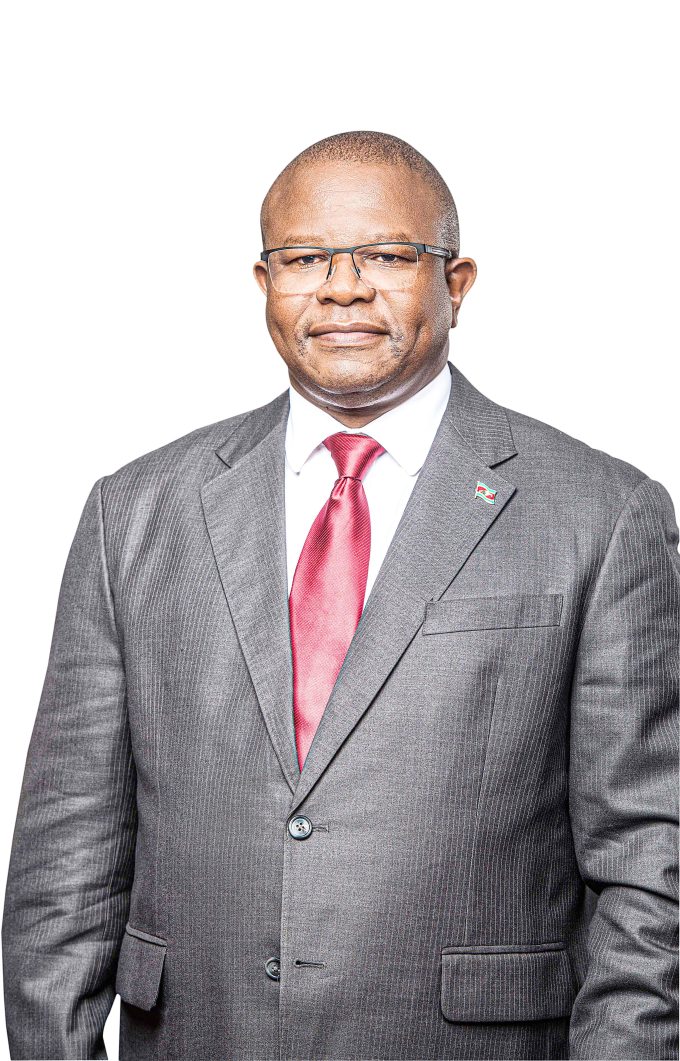
This was revealed following the conclusion of the 2025 Article IV Consultation between the IMF staff team and the Kingdom of Eswatini. The mission, led by Xiangming Li, IMF Mission Chief for Eswatini, held consultations with government officials in Mbabane from July 24 to August 6, 2025.
In a statement issued at the end of the mission, Li noted that real gross domestic product (GDP) growth is forecast to reach 4.3 per cent in 2025, a significant rise from 2.8 per cent in 2024. The growth momentum will be driven by large public and private investment projects, which are expected to stimulate economic activity across multiple sectors.
However, the IMF warned that several downside risks could impact this outlook, including global economic uncertainty and potential delays in project execution. Over the medium term, growth is projected to gradually ease back to 2.8 per cent, aligning with the country’s long-term average.
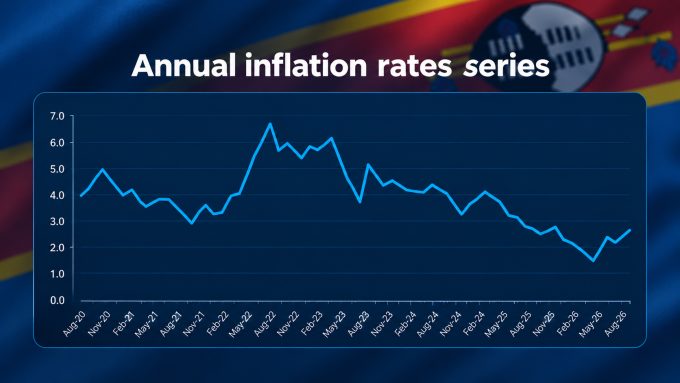
Inflation is expected to moderate to 3.5 per cent in 2025 from 4.0 per cent in 2024, broadly in line with inflation trends in neighbouring South Africa. However, the IMF noted growing concerns over fiscal pressures, particularly the deterioration in Eswatini’s structural primary balance—an important indicator that excludes Southern African Customs Union (SACU) revenues.
The structural primary deficit widened by 1.1 per cent of GDP in the fiscal year 2024/25. In response, government has committed to tightening this deficit by 1.8 per cent of GDP in the current fiscal year, which the IMF described as ‘appropriate to rein in rising debt’.
Full article available in our paper.















Leave a comment