

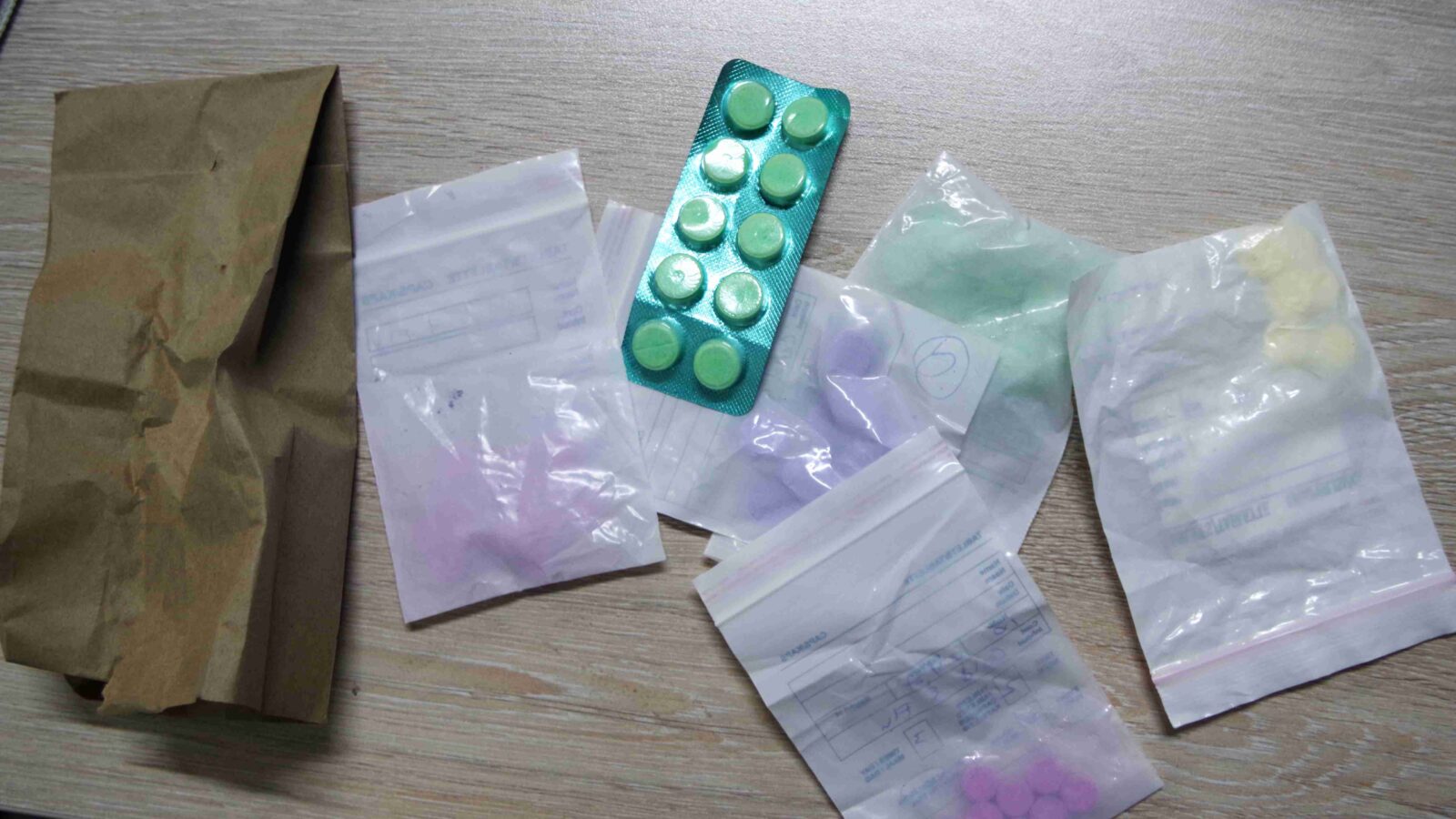
MBABANE – A deepening shortage of essential medicines in Eswatini’s public hospitals is fuelling a surge in medicine prices and the rise of ‘street pharmacists’.
An investigation by Eswatini News has found that some pharmacies are charging significantly higher than normal for common drugs, with the gap most visible in rural and peri-urban communities far from major hospitals.
In urban areas like Manzini, Matsapha or Mbabane, some pharmacies are said to be charging slightly higher, cashing in on the shortage of drugs.
The shortages, which have left many government facilities without basic treatments, have created an opportunity for both licensed and unlicensed sellers to cash in. Normally, a visit to government hospitals can cost between E13 to E20.
This includes medicines at no extra charge. However, when there are no drugs, this results in patients heading to registered or non-registered ones.
In some outlets, the price of Panado – a common painkiller – has climbed from as low as E8 to between E15 and E20. Cold and flu medication and antibiotics such as amoxicillin have also seen price increases.
For flu, patients pay at least E50 in addition to the E13 or E20 they usually pay at hospitals before heading to the pharmacies.
In several cases, the Eswatini News found that pharmacies charged different prices for the same brand, while others justified price differences by pointing to variations in packaging or manufacturer.
One pharmacist explained that brands could influence pricing, but the investigation documented instances where identical products were priced differently in the same area.
Some members of the public said with hospital stockouts becoming routine, they now go directly to pharmacies without first visiting health facilities. Some pharmacies, particularly in smaller towns, have reported seeing patients arriving with severe conditions, including COVID-19.
In Mankayane, one of the most affected areas, patients travel long distances from surrounding communities to reach the hospital, only to find essential drugs unavailable.
Unlike similar-sized towns such as Pigg’s Peak or Siteki, Mankayane has fewer health facilities to spread the patient load. In these circumstances, residents say street pharmacies – often operating without licences – are stepping in.
In Mankayane, and some of the surrounding communities, medication is sold by individuals. The prices charged by ‘street pharmacists’ were consistently lower than those in registered facilities. Panado and basic cold and flu tablets were sold for as little as E5, with no prescription or professional guidance offered.
Full article available in our paper.













Leave a comment