

MBABANE – Government has issued a new set of Eswatini National Standards.
These cover electricity, fuel facilities, liquefied petroleum gas (LPG), food production, beverages, climate change adaptation and household consumer products, among others.
The announcement was made through General Notice No. 79 of 2025 under the Standards and Quality Act, 2023 (Act No. 16 of 2023), which empowers the kingdom to designate and enforce standards aimed at ensuring safety, quality and efficiency across industries.
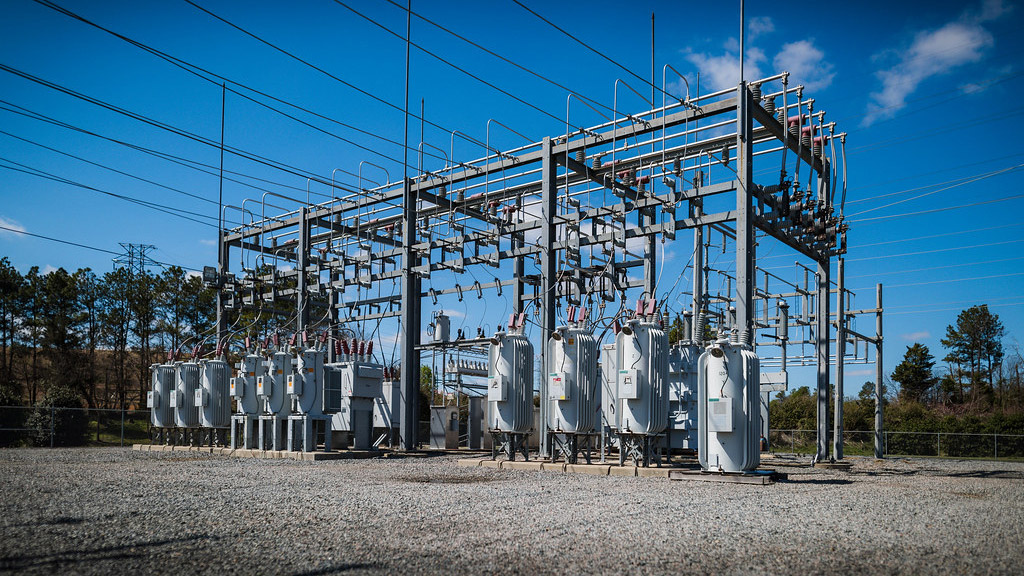
Among the newly-designated standards are two that focus on electricity. The Electrical Metering Standards Requirements (SZNS SANS 474:2022) set guidelines for metering installations, including transformers, cabling, energy meters and data loggers, to ensure accuracy and fairness in billing.
The Wiring of Premises Part 1: Low Voltage Installations (SZNS SANS 10142-1:2021) has also been adopted to regulate electrical wiring in residential, commercial, industrial, medical, agricultural and mining premises, as well as temporary set-ups like exhibitions and fairs.
The standards also introduce safety guidelines for petroleum and LPG operations. These include:
- Guidelines for Fuel Dispensing Facilities (SZNS 079:2024) – covering tanks, dispensers, pumps, drainage systems and electrical wiring for safe handling of petrol, diesel and kerosene.
- LPG Retailers and Wholesalers Requirements (SZNS 084:2024) – specifying safe storage and operations for LPG cylinders at retail and wholesale outlets.
- LPG Cylinder Installation Standards (SZNS 085:2024) – outlining safe installation procedures for domestic, commercial, and industrial LPG usage in cooking, heating and cooling.
Two standards have been introduced to enhance Eswatini’s addressing framework. The National Addressing Standard Part 1 (SZNS ISO 19160-1:2015) defines six classes of addresses, including street addresses, informal settlement addresses and rural addresses.
The Part 2 Standard (SZNS ISO 19160-2:2022) sets guidelines for assigning and maintaining addresses to improve public administration and service delivery.
Recognising global challenges, the Adaptation to Climate Change Standard (SZNS ISO 14090:2019) provides principles and guidelines for integrating climate change resilience into organisations’ strategies.
Full article available in our paper.

















Leave a comment