

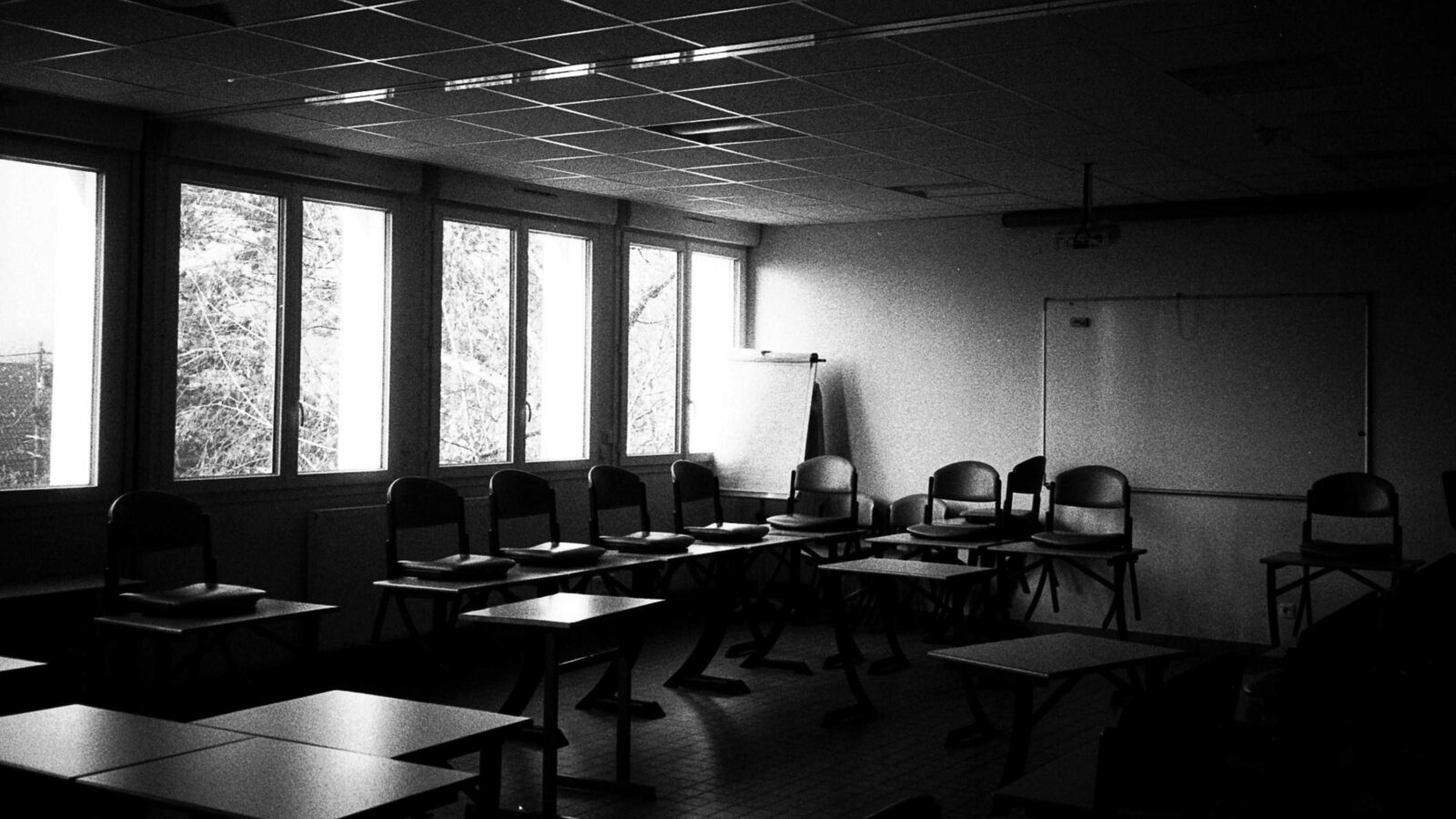
In just a few weeks, schools across Eswatini will reopen for the third term. For many parents, this is a season of relief – children are back in structured learning environments, busy with books and lessons. However, for too many girls, returning to school also means returning to unsafe classrooms, where sexual harassment, exploitation and gender-based violence lurk in the shadows. The place that should be their sanctuary of knowledge can quickly become a site of trauma.
We need to be honest about this reality: Our daughters are not always safe in school. Reports of teachers preying on young girls, older male pupils bullying and harassing female classmates and of administrations sweeping cases under the rug are not new. Yet, each new case still shocks us, because we cling to the belief that classrooms should be immune from the violence that haunts girls in the wider world. The truth is, unless we act, the violence will follow them right into the chalk-dusted corners of the classroom.
This third term, as we prepare uniforms and buy exercise books, we must also prepare our children with tools for safety and resilience. Parents cannot afford to outsource everything to teachers and schools cannot continue to minimise their duty of care. Creating safe classrooms requires a partnership between parents, schools and communities.
Parents can play a huge role in ensuring safety for their children. Firstly, let us normalise conversations about safety with our children. Too many parents shy away from discussions about sexual harassment or abuse, believing the topics to be too ‘adult’. However, silence is dangerous. When we do not talk about these issues, predators exploit our children’s ignorance. Parents should, in age-appropriate language, teach children about body autonomy. That no one, not even a teacher or older pupil, has the right to touch them without consent. Secondly, parents must encourage open communication. A child who feels safe speaking to their parent about small things, like struggles with homework or playground disputes, is more likely to speak up when facing harassment. That trust is built through consistent listening without judgment.
Thirdly, parents should stay engaged with the school. Attending meetings, getting to know teachers; as well as forming parent committees to monitor safety practices creates accountability. Too often, parents only engage the school when academic results are poor, forgetting that safety is just as critical to a child’s success as grades.
Schools have a role to play as well. Schools must go beyond simply teaching the syllabus. They are custodians of our children’s well-being and they must adopt policies that reflect that responsibility.
First, schools need clear, enforced policies on sexual harassment and abuse. It is not enough to have dusty documents filed away in offices. These policies should be communicated to all teachers, learners and parents and there must be transparent procedures for reporting violations. Second, schools should invest in awareness campaigns. Assemblies and classroom discussions about respect, consent and bullying must become routine. Teachers should be trained not only in academics, but in recognising signs of abuse and in responding appropriately. Third, accountability must be non-negotiable. Teachers who exploit pupils must face consequences swiftly and publicly, rather than being quietly transferred to another school. The culture of silence and cover-ups must end. Protecting an institution’s reputation should never come at the cost of a child’s safety.
Schools are based in communities. Communities must also shoulder responsibility. Chiefs, church leaders and local organisations can create forums where parents and learners feel empowered to speak out against abuse. Silence only emboldens perpetrators. In a society where ‘don’t talk about it’ remains the norm – breaking the silence becomes revolutionary.
We must also teach our sons to respect girls and women. Safe classrooms are not just about protecting girls from predators; they are also about reshaping the attitudes of boys who will one day become men. When boys learn early that harassment is unacceptable, they become allies in creating safer schools.
Our daughters deserve safe classrooms, not just classrooms with new textbooks and painted walls. They deserve teachers who see them as learners, not prey. They deserve peers who see them as equals, not targets. They deserve policies that protect them, not systems that silence them.
This third term, as we press uniforms and pack lunchboxes, let us also press for safety. Let us pack courage, awareness and accountability into every classroom. Let us demand that schools be more than just spaces for passing exams, but spaces where every child, especially every girl, can grow without fear. When our daughters feel safe, they learn better. Additionally, when they learn better, Eswatini’s future shines brighter.


















Leave a comment