

MBABANE – Fears have been raised that the proposed conversion of the ENPF into a pension fund has the potential to make civil servants become worse off.
This is because in the proposed new fund, the civil servants will contribute less and eventually receive reduced payouts.
This is one of a litany of fears which were raised by the management of the Public Service Pensions Fund (PSPF) during an engagement with the Eswatini Editors Forum yesterday.
The main agenda was the proposed conversion of the Eswatini National Provident Fund (ENPF), an exercise whose Bill has already been tabled in Parliament and is expected to be debated.
Besides the civil servants, the management reiterated its fears that the conversion, if the Eswatini National Pension Fund Bill, 2025 is passed in its current state, will literally collapse the PSPF.
While maintaining their stance that they are not against the conversion per ser, the PSPF management said the process can happen for as long as it leaves out civil servants who are its members.
The PSPF, whose management made it known that the concerns are not their own but members of the fund, decried that some of the clauses of the Bill are contradictory and ambiguous.
The meeting was meant to give the editors of the various media houses an idea of the impact that the proposed conversion of the ENPF will make.
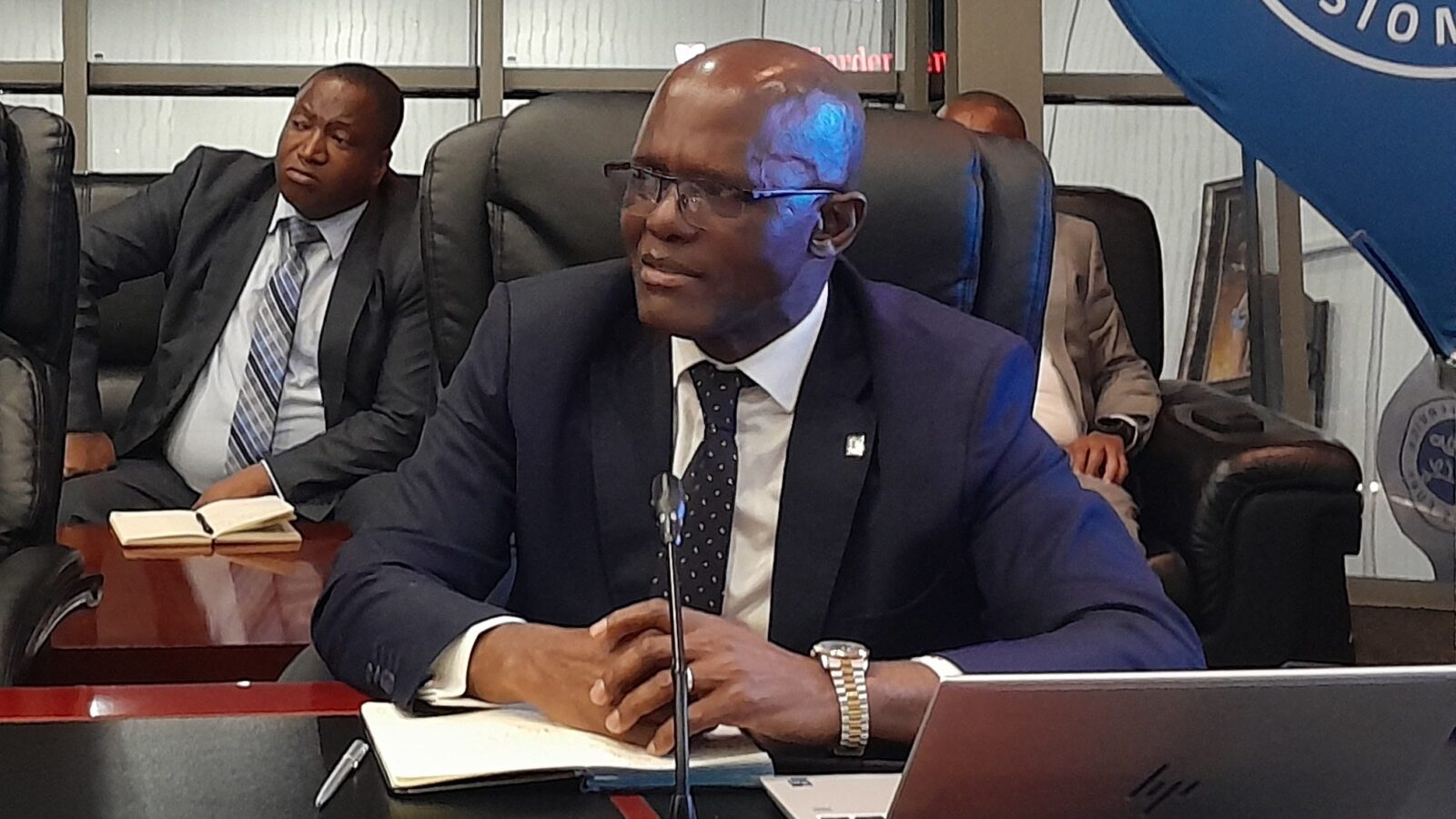
Making a presentation at the meeting, PSPF Chief Executive Officer Masotja Vilakati first made it known that they are hopeful that proper consultations and public submissions will be conducted to allow all emaSwati to make their views and further understand the proposed Bill better.
Vilakati cited certain clauses of the Bill, which he said the PSPF is unhappy about and wishes could be removed or crafted better.
These include Clause 3 which stipulates that once the Bill is passed into law, it will apply to businesses in the Kingdom of Eswatini regardless of size, employers including government, employees including those in the service of government, self-employed persons, other workers, namely those other than employees and self-employed persons, who perform work or render for financial gain, members including voluntary members of the fund plus migrant workers working in Eswatini, on the basis as Eswatini citizens, unless they can prove to the satisfaction of the fund that they are covered by a compliant social security scheme of another country.
*…
Reducing PSPF contributions goes against Pensions Order
MBABANE – Reducing contributions to the Public Service Pensions Fund (PSPF) for new civil servants when they join the Eswatini National Pension Fund (ENPF) goes against the Pensions Order.
This was a warning expressed by PSPF Chief Executive Officer Masotja Vilakati who stressed that the move not only contravenes the law but also poses severe financial risks to the stability of PSPF and the country at large.
According to Vilakati, reducing PSPF contributions will worsen the fund’s deficit, which is projected to reach E2 billion in just five years. “This will widen the negative gap between contributions and benefits paid, ultimately forcing PSPF to sell off investments,” he said.
He cautioned that such forced sales would limit the impactful domestic investments the fund is currently undertaking, many of which play a vital role in national economic development.
Looking ahead, Vilakati said that as current PSPF members retire, all civil servants will eventually be enrolled under ENPF, which would make reduced contributions to PSPF permanent. “This has a direct bearing on the financial health of PSPF and will require government bailouts, ultimately burdening taxpayers,” he stated.
The affordability question looms large, as Vilakati revealed that if government is unable to provide at least E100 million annually in additional contributions to ENPF, the deficit problem will remain unresolved.
The CEO also raised concerns about the administrative implications of running two parallel statutory pension funds – PSPF and ENPF – which both serve the same purpose. He explained that maintaining both would create double administration costs and unnecessary complexities.
“We are talking about two schemes drawing from the same 20 per cent contribution. That becomes unsustainable and creates confusion for both members and government,” he said.
Beyond the financial implications, Vilakati highlighted the legal hurdles associated with the proposed changes. He reminded stakeholders that PSPF is a statutory and mandatory pension fund for all civil servants and forms part of their conditions of service.
*Full article available in our publication.


















Leave a comment