

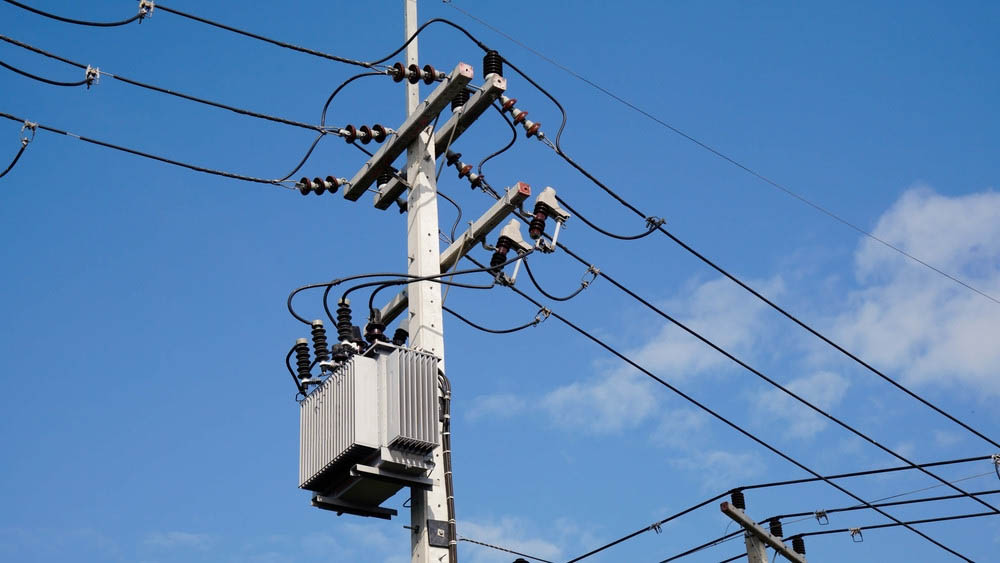
MBABANE – The proposed 20.67 per cent electricity tariff hike is being driven in part by escalating losses linked to copper theft and vandalism of power infrastructure, according to the Eswatini Electricity Company (EEC).
During public hearings facilitated by the Eswatini Energy Regulatory Authority (ESERA), EEC Managing Director Ernest Mkhonta warned that criminal syndicates targeting electricity infrastructure have placed a growing financial burden on the utility, contributing directly to the proposed tariff increase.
Mkhonta said copper thieves frequently vandalise electric transformers, stripping them of copper components before selling the metal on the black market cheaply. Each damaged transformer costs about E50 000 to replace, excluding labour and logistics costs.
“These incidents are happening countrywide and they are costly. They affect supply reliability and put pressure on our finances,” Mkhonta said.
According to EEC, the company has recorded losses amounting to E2.3 million in 2025 as a result of copper theft and infrastructure vandalism. The utility said copper theft remains one of the biggest operational challenges undermining power supply reliability and increasing maintenance costs.
EEC’s annual report shows that stolen items include overhead conductors, transformer parts, earthing materials and substation equipment, often resulting in prolonged power outages affecting households, businesses and essential services such as health facilities and water pumping stations.
The report notes that these losses have compounded pressure on an already strained maintenance budget, which is also affected by rising equipment prices and expanding electricity demand. Mkhonta further highlighted the burden of wheeling charges — fees paid for transmitting electricity through regional grids — saying these costs have increased as Eswatini continues to rely on imported power to supplement local generation.
*…
Eswatini among Africa’s cheapest electricity markets
MBABANE – Eswatini remains among the top 10 African countries with the cheapest electricity, even as the country debates a proposed 20.67 per cent tariff increase, highlighting the complex tension between affordability and long-term sustainability.
According to a 2025 analysis compiled by Pulse, Eswatini ranks ninth on the continent for lowest electricity prices, with residential consumers rate at 0.086 per kilowatt-hour (kWh) and commercial users at 0.121/kWh.
The ranking places Eswatini alongside countries such as Ethiopia, Sudan, Angola and Zambia, which offer some of the lowest electricity prices globally – often supported by abundant hydropower resources and heavy government subsidies.
Pulse reports that Ethiopia tops the list with residential tariffs as low as 0.006/kWh, followed by Sudan at 0.007/kWh. However, the analysis cautions that low prices do not always translate into reliable electricity supply.
Many of the countries with ultra-cheap electricity continue to experience frequent power outages, limited grid coverage and underinvestment in infrastructure, particularly in rural areas.
At the opposite end of the spectrum, countries such as Cape Verde and Sierra Leone record some of the highest electricity tariffs in Africa, exceeding 0.22/kWh. These high costs are largely driven by reliance on imported fuel, small electricity markets and inefficient grids.
Pulse notes that expensive electricity places a heavy burden on households and raises business operating costs, slowing economic growth and limiting industrial expansion.
For Eswatini, the ranking highlights a policy dilemma. While affordable electricity supports households, small businesses and economic activity, analysts warn that prolonged low tariffs can undermine utilities if revenues fail to keep pace with rising costs.
The current tariff debate has intensified amid rising operational pressures at the Eswatini Electricity Company (EEC), including infrastructure vandalism, aging equipment and growing demand.
*Full article available on Pressreader*














Leave a comment