

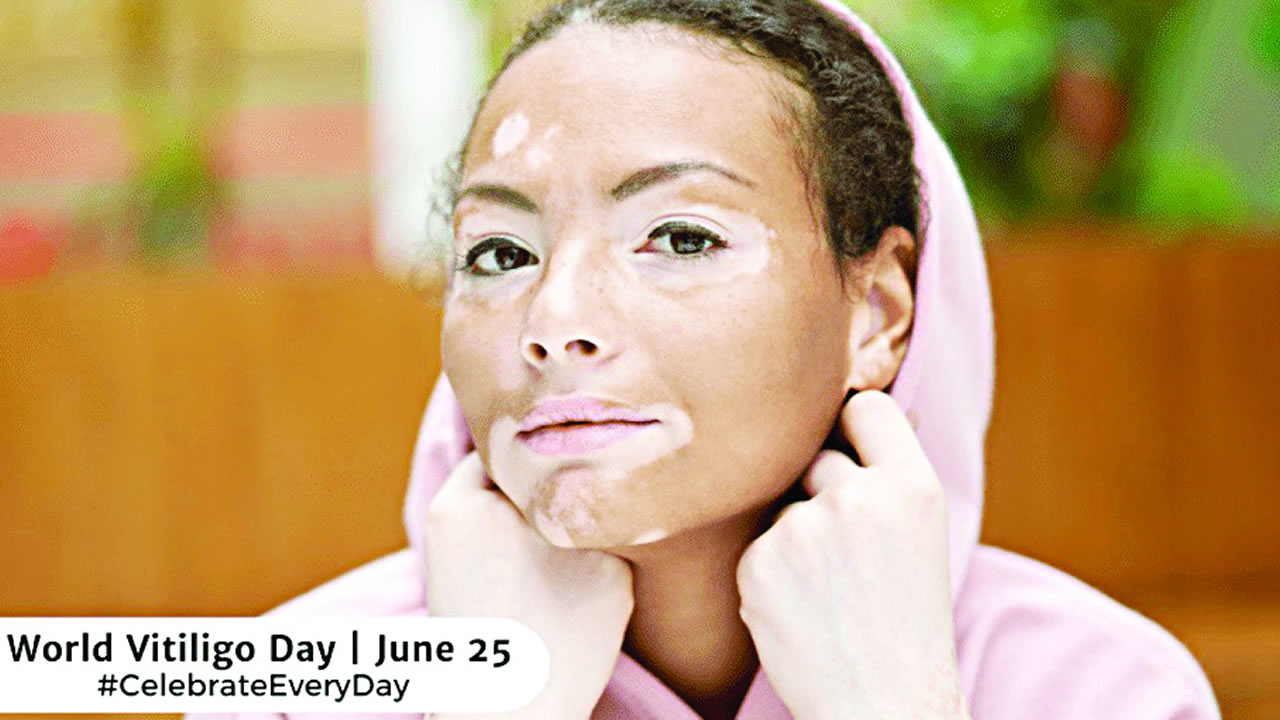
Today marks the World Vitiligo Day, a crucial moment to shine a light not only on the science of this autoimmune condition, but also on the often-unseen struggles of those who live with it. While vitiligo, characterised by the loss of skin pigment in patches, is not physically painful or contagious, its visible nature carries a significant and often devastating psychological and social toll.
Imagine waking up to see your skin, your very identity, subtly or dramatically changing. For individuals with vitiligo, this reality can be a daily ‘mind battlefield/rollercoaster.’ The unpredictability of the condition, where new patches can appear at any time, fosters a pervasive sense of anxiety and a loss of control. This can manifest as an overwhelming preoccupation with one’s appearance, leading to low self-esteem and a distorted body image. Studies have consistently shown that a majority of individuals with vitiligo experience diminished confidence, particularly when the depigmentation affects visible areas like the face, hand, and arms.
The societal perception of beauty, often rigid and unforgiving, exacerbates these internal struggles. In many cultures, clear, unblemished skin is an ideal and any deviation can lead to misunderstanding, curiosity, and, unfortunately, outright stigma. Individuals with vitiligo frequently encounter staring, whispered comments and even rude remarks.
This stigmatisation can lead to a profound sense of embarrassment and shame, causing many to adopt avoidance behaviours, from meticulously covering their patches with makeup and clothing to withdrawing from social situations altogether.
isolation
This isolation can be deeply lonely, severing connections and impacting relationships, careers and overall quality of life.
The emotional impact extends beyond mere self-consciousness. Children and adolescents are particularly vulnerable, often facing strained peer relationships and bullying that can leave lasting psychological scars. Parents and relatives of children with vitiligo also frequently experience anxiety and depression, highlighting the ripple effect of this condition within families. The constant effort to conceal, the fear of judgment and the feeling of being ‘different’ can lead to chronic stress, sleep disturbances, and a persistent sense of sadness.In severe cases, the despair can be so profound that it leads to suicidal thoughts. Vitiligo is more than skin deep. By acknowledging its profound psychological and social impact and committing to informed empathy and action, we can help build a world where everyone, regardless of their skin, feels seen, valued and empowered to live life to the fullest. Let’s make World Vitiligo Day a catalyst for real change.



















Leave a comment