

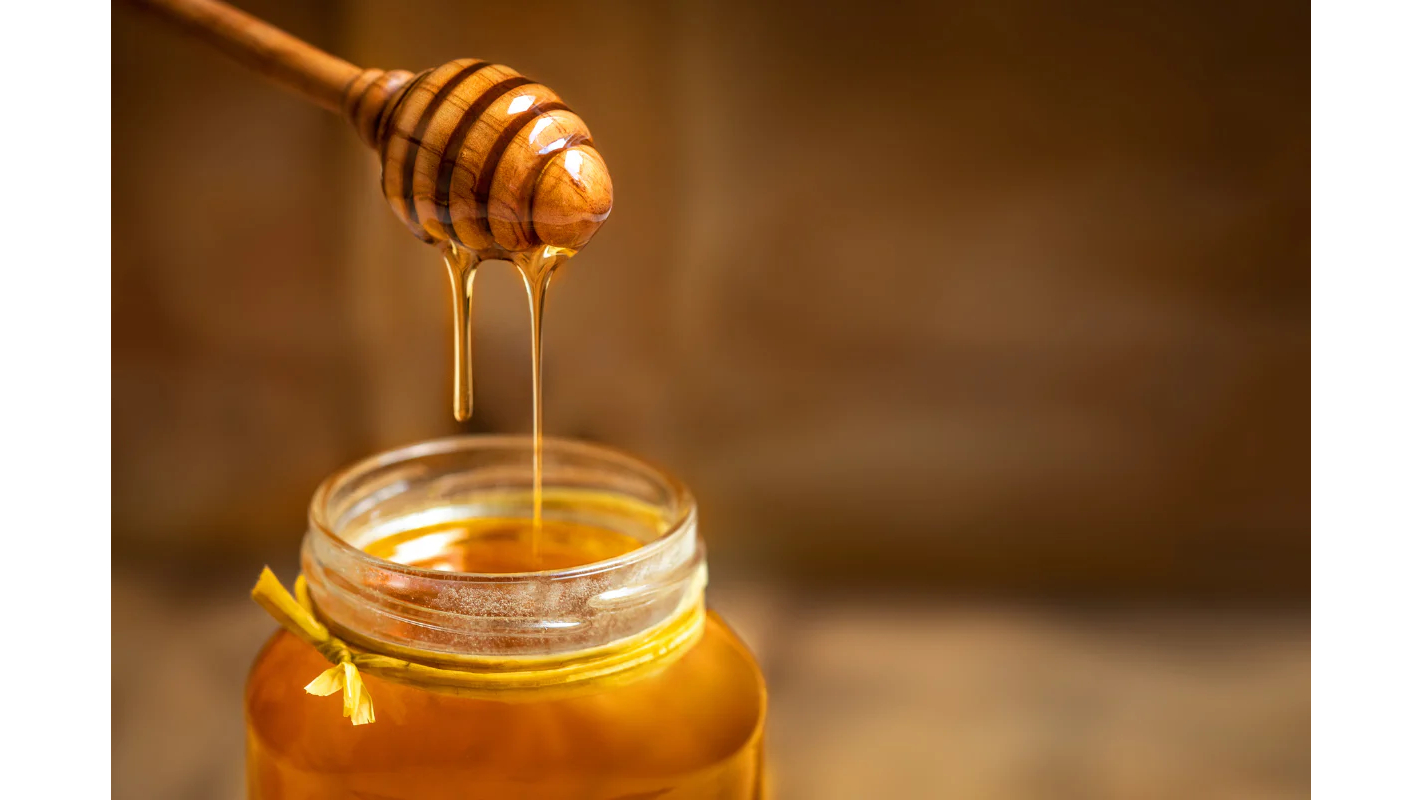
Honey has been treasured for many years in Eswatini and across the world – not only for its sweetness, but also for its medicinal and nutritional value. However, the growing market demand has led to an influx of adulterated or fake honey on shop shelves and informal markets. Consumers need to know how to identify genuine, 100% natural honey and understand why buying the real thing is worth it.
Why 100% Natural Honey Matters
Real, raw honey is more than a sweetener – it’s a natural superfood. It contains antioxidants, enzymes, minerals like iron and zinc, and vitamins such as B6 and C. It has antibacterial properties, can help soothe sore throats, promote wound healing, and boost the immune system. Because it is unprocessed, it retains its natural enzymes that aid digestion and promote overall wellness.
In contrast, fake or adulterated honey often contains added sugar syrups, corn syrup, or industrial glucose. While it may look and taste like honey to the untrained tongue, it lacks the health benefits of natural honey. In fact, consuming fake honey regularly can increase the risk of weight gain, diabetes, and other sugar-related health conditions.
How Honey is adulterated
Dishonest suppliers use various methods to stretch their product and cut costs:
• Dilution with sugar syrups – Mixing natural honey with cheaper cane sugar, corn syrup, or glucose.
• Feeding bees sugar water – Instead of allowing bees to collect nectar from flowers, some beekeepers feed them sugar water, producing a honey-like product that is nutritionally inferior.
• Heating and over-processing – Excessive heating destroys enzymes and beneficial compounds, while also making it easier to blend in additives undetected.
Adding artificial flavour and colour – Some fakes use caramel colouring or flavouring to imitate the appearance and taste of natural honey.
Simple Ways to Spot Real Honey
While lab testing is the most accurate method, there are home checks that can help consumers make better choices:
• The Thumb Test – Place a small drop on your thumb. Pure honey stays intact; fake honey spreads or runs off.
• Water Test – Add a teaspoon of honey into a glass of water. Real honey sinks to the bottom without dissolving quickly; fake honey disperses or dissolves fast.
• Crystallization – Natural honey may crystallize over time, especially in cooler temperatures. Adulterated honey often remains unnaturally smooth and runny for long periods.
• Aroma and Taste – Real honey has a unique floral aroma and complex flavor. Fake honey often tastes overly sweet but flat.




















Leave a comment