

In today’s fast-paced world, we consume content everywhere, music, movies, books, social media posts and even memes.
But behind every creation is a person or a company that invested time, skills and resources to bring it to life.
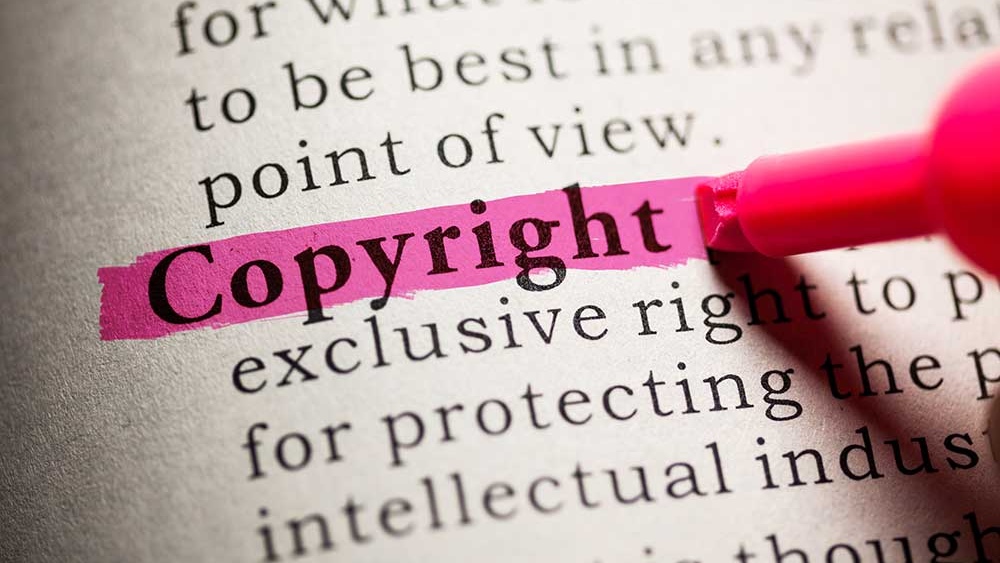
This is where copyright comes in: A law that protects the rights of creators while guiding how the public can legally use creative work.
Many people think copyright is something that only affects musicians or big companies, but it touches our everyday lives more than we realise.
From downloading a song, photocopying a book, to reposting an image without credit; these are all moments where copyright comes into play. And in the world of personal finance, understanding copyright can save you from lawsuits, fines or even the loss of your own creative income.
What exactly is copyright?
Copyright is a legal right automatically granted to the creator of original work.
This could be a novel, a painting, a movie, software or even a social media post. The creator gets exclusive rights to reproduce, distribute, perform or license their work. In short: If you made it, you own it, unless you sign away those rights.
In Eswatini, like most countries, copyright protection is automatic. You don’t need to register your work for it to be protected, though registration makes it easier to prove ownership if disputes arise.
Why should you care about copyright?
Protecting your work: If you’re a musician, a photographer or even someone who designs logos for side income, copyright ensures that no one else can copy and profit from your work without your permission.
Avoiding legal trouble: Using someone else’s work without consent can be costly. Businesses and individuals can face lawsuits or hefty fines for using unlicensed material, even unknowingly.
Financial value: Copyright isn’t just legal jargon, it’s an asset. Creative works can be licensed, sold or inherited, just like property. That means your creativity has real financial value.
Everyday situations where copyright matters
Social media sharing: Reposting an image or video without credit or permission can be a violation. Always ask or credit the original creator.
Business branding: Using a ‘cool song’ in your advert without a licence could land your business in legal hot water.
Education and photocopying: Copying entire books or study guides may feel harmless but it infringes on the rights of authors and publishers.
Freelancers and creators: If you create content for clients, you must be clear whether you’re handing over full copyright or just a licence to use your work.
How to stay safe, smart
Always credit creators: When in doubt, give credit or seek permission.
Use licensed platforms: Stock image, music and video sites exist to give you safe, legal options.
Read contracts carefully: Before signing away your work, understand if you’re giving up ownership or just granting usage rights.
Protect your own creations: Add watermarks, keep originals and consider registering your work if it has commercial value.
Copyright and your wallet
Think of copyright as part of your personal financial toolkit. If you’re creative, your work is an income-generating asset.
If you’re a consumer or business owner, respecting copyright protects you from costly mistakes.
Either way, understanding these rights helps you avoid risk while unlocking financial opportunity.
In the same way we budget to protect our income, we should also learn to respect and protect creativity, ours and others’.
So next time you’re about to download, copy or share, ask yourself: Am I respecting copyright? Because in the end, safeguarding creativity safeguards livelihoods.
Copyright is not just a law, its money, reputation and opportunity. Guard it like you would any other investment.


















Leave a comment