

The holiday season is officially upon us, marking a time of joy, connection and, for many, demands on both time and budget.
As festive commitments multiply, it is easy to get caught up in the excitement and neglect prudent planning. Many will soon be receiving their annual stokvel payouts.
This injection of funds can also trigger the ‘festive spending fever’ – where budgets are stretched thin and savings forgotten in the rush of end-of-year shopping, travel and celebrations.
Before you jump into your end-of-year to-dos, shopping lists and travel arrangements, take a critical step back.
Now is the ideal moment to pause and conduct a thorough financial health check.
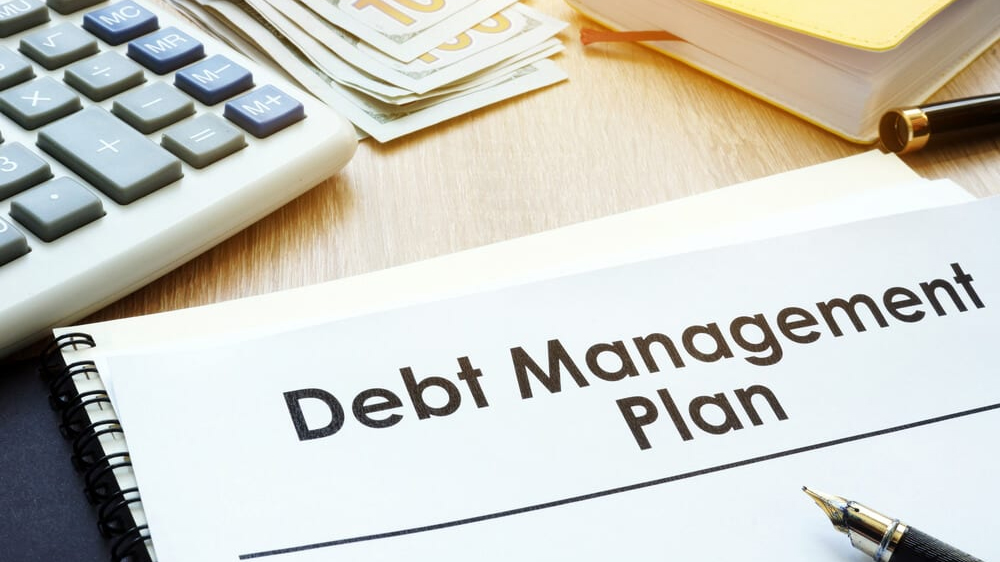
Make a proactive debt management plan to ensure you don’t start the new year with a financial hangover.
Make an assessment of your debts
The first step to year-end debt management is a comprehensive audit of all your outstanding liabilities. Start by creating a master list of every debt you owe, including credit cards, personal loans, store accounts and any informal borrowing.
For each debt, note the total balance, the interest rate (APR) and the minimum monthly payment. If you have already started using credit for seasonal shopping, acknowledge these new balances immediately.
Factor them into your payoff plan, not as a separate problem for January. Lastly, calculate your debt-to-income (DTI) ratio by dividing your total monthly debt payments by your gross monthly income.
A ratio above 36 per cent is often considered a sign of financial strain and a signal to aggressively cut spending and focus on debt reduction.
Making the most of extra funds
If you are receiving a year-end bonus, a 13th cheque or a stokvel payout, this money is your greatest weapon against debt. Resist the urge to use it all for consumption.
Dedicate a significant portion—ideally, 50 per cent or more—to your debt goals.
You focus your extra payments on the debt with the highest interest rate first, regardless of the balance size.
This saves you the most money on interest charges over the long-run, accelerating your overall payoff time.
However, you can also choose to focus on paying off the debt with the smallest balance first.
Once the smallest debt is gone, you roll the money you were paying into the next smallest.
Develop a holiday spending Barrier
Debt management is as much about stopping new debt as it is about paying off old debt. The festive season is known for generating ‘bad debt’ – high-interest borrowing used to purchase depreciating assets like gifts and holiday clothes.
You can commit to using cash or a debit card for all non-essential holiday spending or create a separate, detailed holiday budget that includes not just gifts, but also party food and petrol/travel expenses.
Be brutally honest about what you can afford without borrowing.
Set the stage for the New Year
Remember that January brings expenses like school fees, new uniforms and higher utility bills. Allocate a portion of your year-end funds to January expenses before you allocate money for holiday splurges. This prevents you from incurring new, emergency debt right after the holidays are over.
The final weeks of the year are the perfect time to implement foundational habits that will continue your debt-free journey and by taking control of your debts before the holiday rush, you can navigate the season with confidence, ensuring your New Year’s resolution to be financially healthy is one you’ve already started fulfilling.
















Leave a comment