

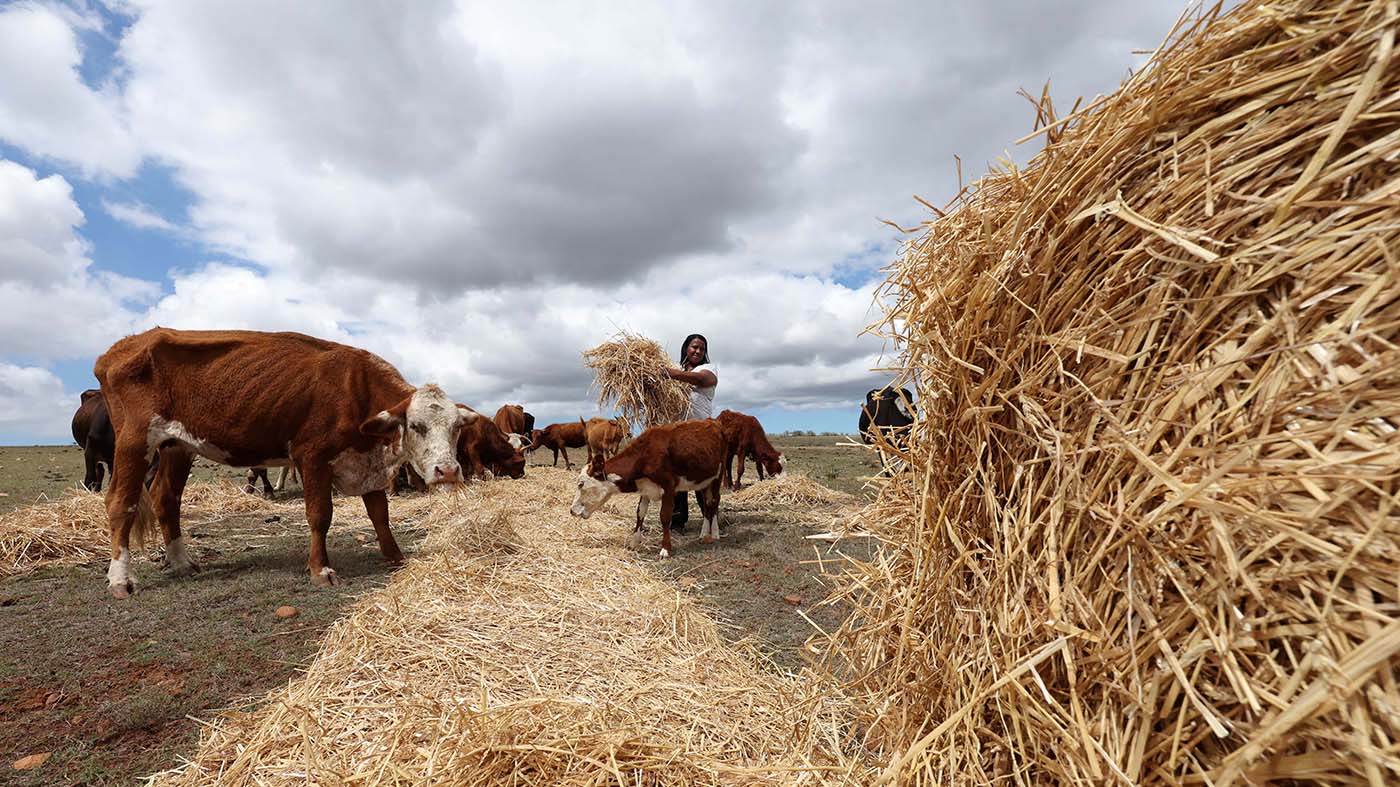
As the colder months approach, ensuring adequate forage for winter grazing becomes paramount for livestock farmers.
We look into nutritious forage, ideal during the winter season to keep your animals healthy and thriving throughout the colder months.
Lucerne, also known as alfalfa, reigns as the king of hay due to its exceptional versatility and numerous benefits for livestock. It can be grown as a year-round pasture, planting season being ideally in February, March, April and May, used for hay, silage, green fodder, pellets, cubes, seed production, sprouts or protein fractionation.
With the assistance of Instant Gardens, let’s explore the remarkable attributes of lucerne and its significance in livestock farming.
Benefits to animals:
Lucerne offers a plethora of benefits to animals. Its high protein content, along with essential vitamins and minerals, makes it a valuable source of nutrition. It supports healthy growth in young animals and provides the necessary sustenance for adult animals engaged in work.
Lucerne’s digestibility and palatability contribute to improved feed intake and efficient utilisation of nutrients, resulting in enhanced overall animal health and performance.
Nutritional value:
Lucerne hay is renowned for its exceptional nutritional value. It is rich in protein, fibre, energy and essential minerals such as calcium and phosphorus.
The balanced nutrient profile of lucerne promotes healthy digestion, supports bone health and enhances milk production in dairy animals. Its greater buffering capacity compared to maize silage can positively impact rumen pH, further improving overall animal well-being.
Grazing management:
Lucerne’s year-round grazing potential makes it an excellent choice for pasture management. It regrows quickly after grazing, minimising downtime and maximising forage availability.
However, it’s important to note that animals should only browse lucerne for up to 45 minutes at a time to avoid potential bloating issues. Proper rotational grazing and monitoring of animal intake are essential for optimal utilisation and animal health.
Cutting of lucerne:
To maximise hay production, lucerne is typically cut during its flowering stage.
This ensures a balance between yield and nutritional quality. Proper timing of cutting is crucial for preserving the highest nutrient content and maintaining the hay’s palatability.
Pests and diseases:
While lucerne is generally resistant to many pests and diseases, it can still be susceptible to specific issues such as aphids, leafhoppers and fungal infections.
Implementing integrated pest management strategies and maintaining proper field hygiene can help mitigate potential risks.
Lucerne is suitable for a wide range of animals, including cattle, sheep, goats and horses. Its nutritional benefits and versatility make it a valuable addition to their diets, supporting their growth and production.
With the dry season predicted ahead, now is the ideal time to consider planting lucerne. It is winter active and drought-tolerant, making it suitable for most regions.



















Leave a comment