

The Eswatini pig industry has recorded a 27 per cent increase in production.
This is due to a successful implementation of a five-year development programme that has transformed livestock farming through improved genetics, farmer training and enhanced market infrastructure.
Xolani Ndlangamandla, the coordinator for pig farming in the country, revealed this during the closing ceremony of the Pig Industry Enhanced Project Phase 2 (PIEP II). The ceremony was held at the Mountain View Hotel yesterday morning. Ndlangamandla revealed that the achievements during a presentation on the outcomes of the project, saying the programme had not only increased pork production, but had also improved the quality of livestock, strengthened partnerships and boosted farmers’ incomes.
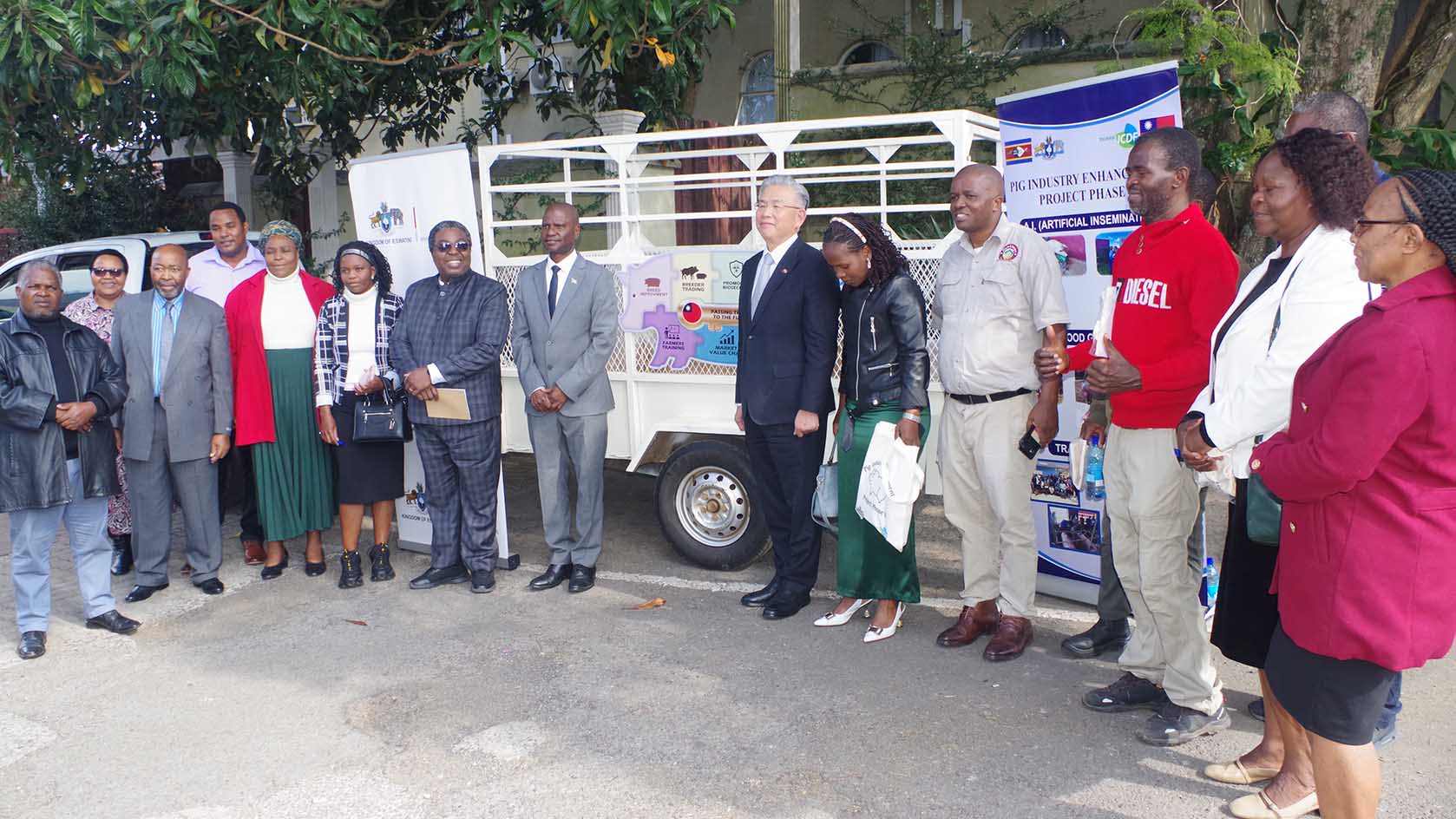
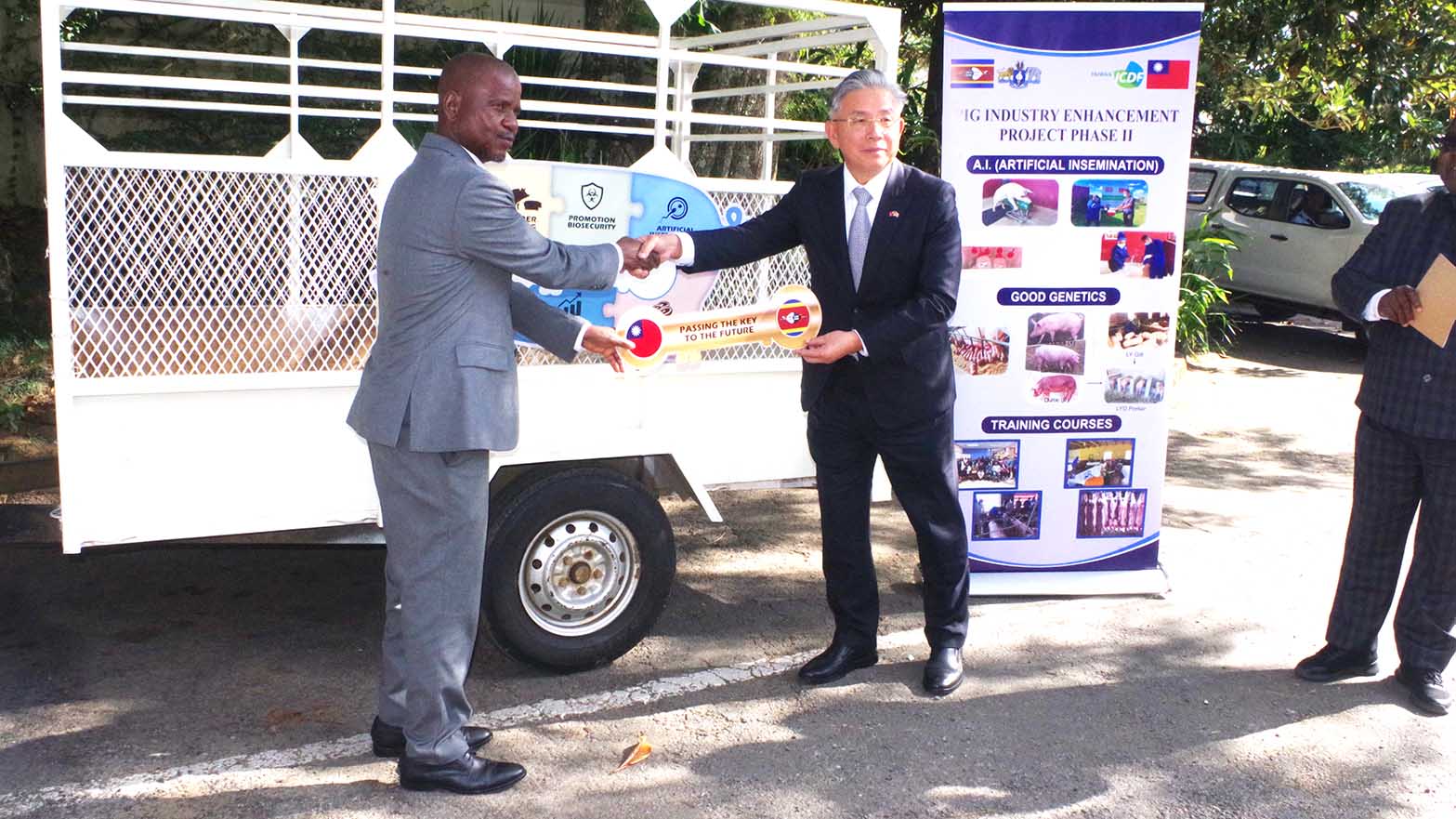
The event was attended by officials from the Ministry of Agriculture, including the Minister for Agriculture, Mandla Tshawuka and also officials from the Republic of China (Taiwan), as well as the Ambassador, His Excellency Jeremy Liang.
presentation
According to his presentation, annual pork production rose from about 1 600 metric tonnes at the beginning of the programme to more than 2 000 metric tonnes by the end of the five-year period. Officials attributed the increase to better breeding practices, improved genetics, farmer education and stronger veterinary support.
The programme focused on four key areas, including genetic improvement, farmer capacity building, market infrastructure and institutional development.
He said one of the major milestones was the strengthening of the country’s pig breeding programme. Officials said improved breeding stock was distributed to farmers across Eswatini over the life of the project, while thousands of doses of pig semen were also supplied to support artificial insemination programmes.
The introduction of genomic technologies towards the end of the project was another significant development, enabling more efficient selection of breeding animals and helping improve productivity within the national herd.
The project also invested heavily in developing farmers’ skills. Nearly 2 000 pig farmers received training over the five years, covering modern production techniques, animal husbandry, disease control, feeding practices and business management.
Technical support from Taiwanese experts, working alongside local agricultural officers, played a key role in transferring knowledge and improving farming practices.
Officials said the training helped increase compliance with proper animal health and hygiene standards, while encouraging farmers to adopt modern production methods.
The project also sought to improve the quality of pork entering the market by discouraging informal slaughter practices. Farmers were encouraged to make greater use of approved abattoirs to ensure proper meat handling, hygiene and food safety.
Officials noted that while production volumes had increased, equal emphasis had been placed on improving the quality of pork reaching consumers.
Also, it was reported that the farmers combined earnings increased from E72 million to E131 million.
To address market fluctuations experienced during the early years of the programme, the project also invested in cold storage infrastructure.
Further, Ndlangamandla stated that freezing facilities now allow surplus pork to be stored during periods of oversupply instead of being sold at reduced prices. This, he said has helped stabilise the market while allowing farmers greater flexibility in managing production and sales.



















Leave a comment