NHLANGANO – The Mkhondvo-Ngwavuma Water Augmentation Project has created 1 004 local jobs as the construction of the Mpakeni Dam passes the halfway mark.
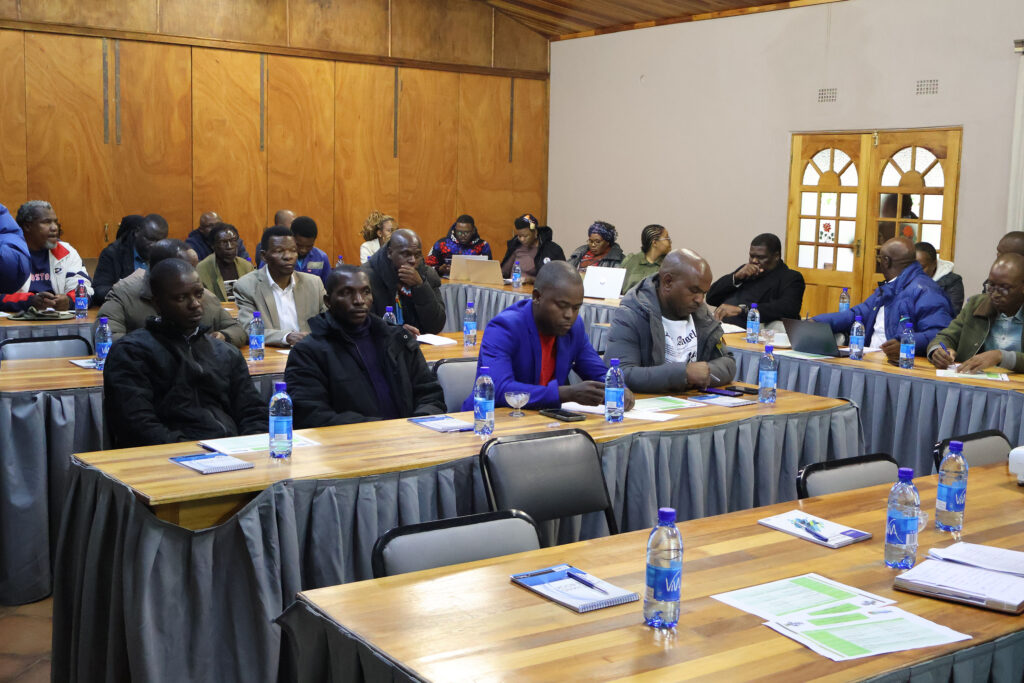
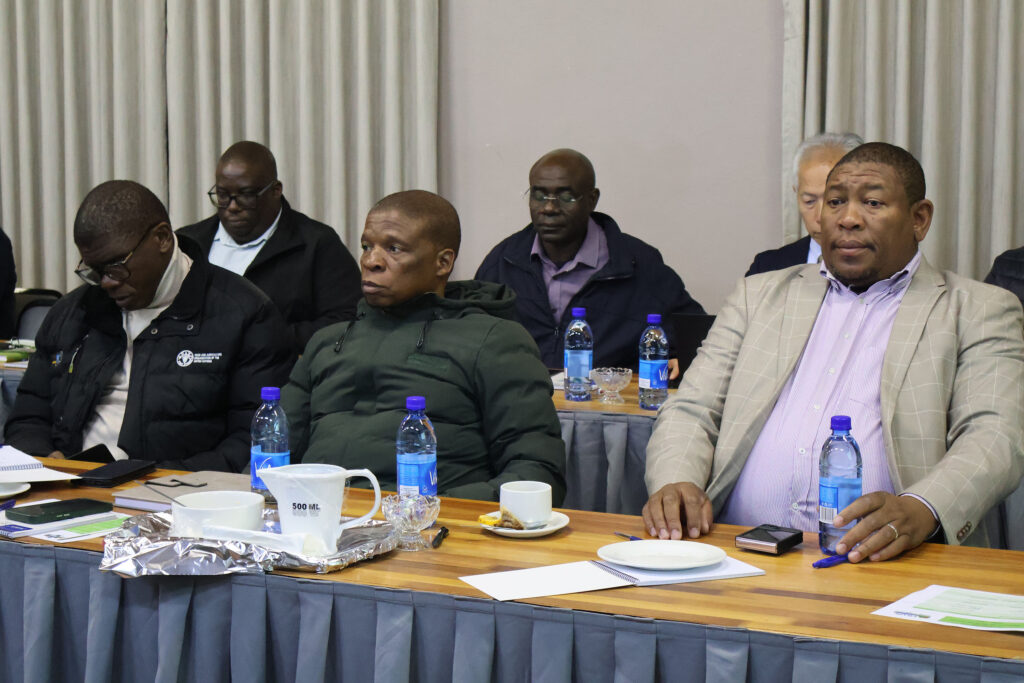
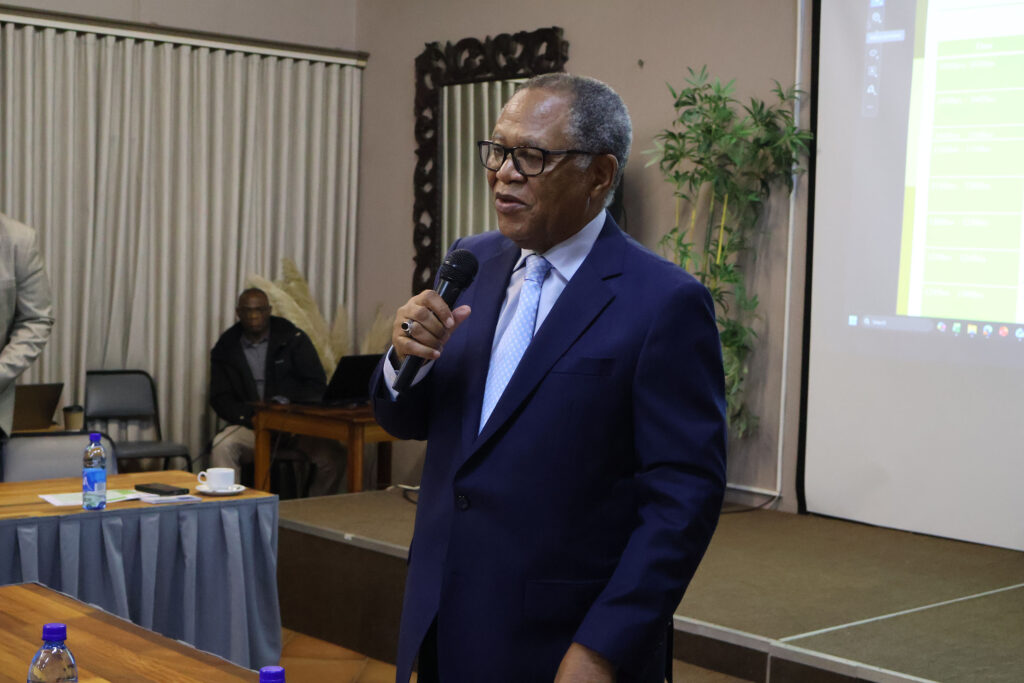
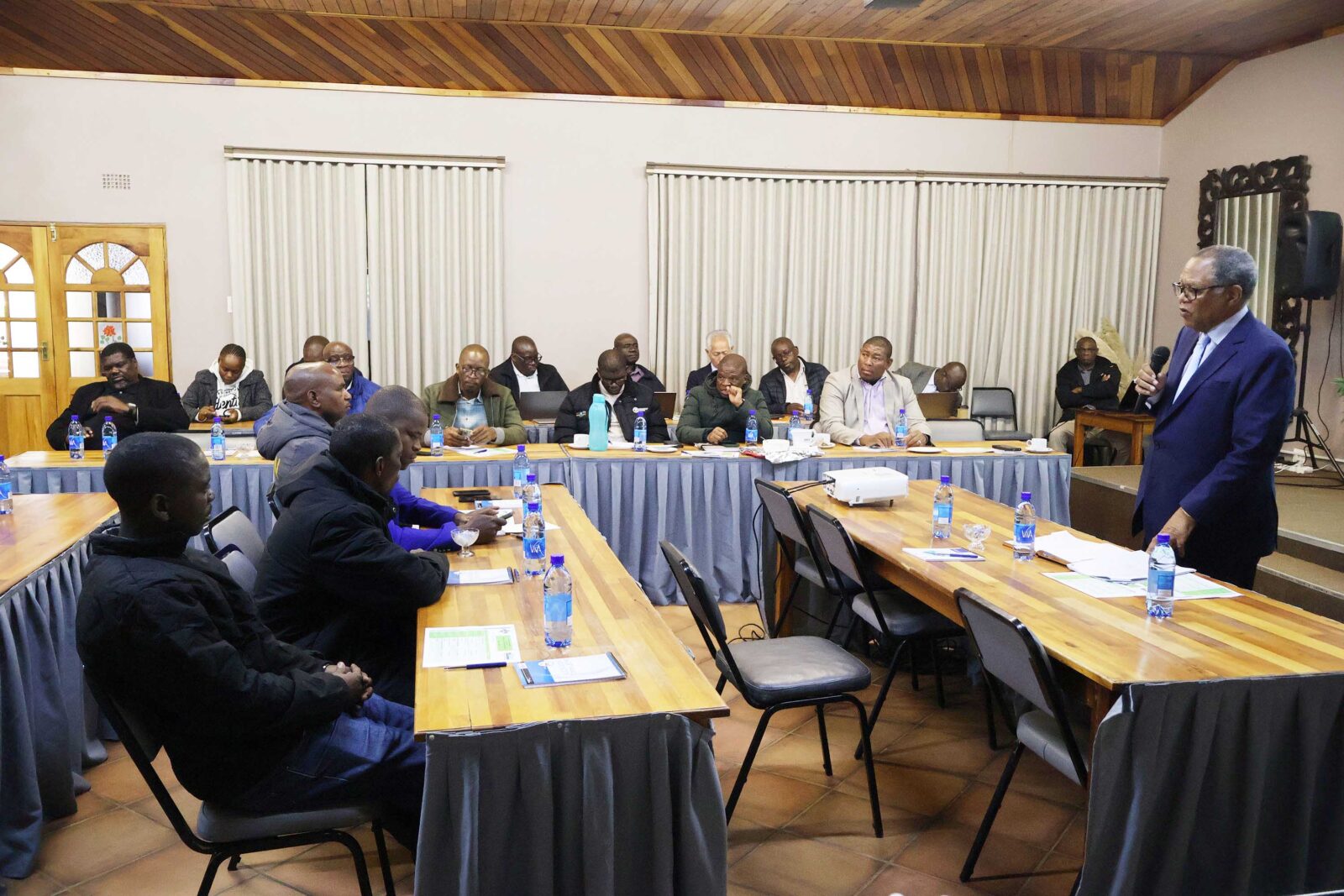
The employment figures were revealed yesterday during a stakeholder engagement hosted by the Eswatini Water and Agricultural Development Enterprise (EWADE) at Phumula Guest House, where traditional leaders received an update on the project’s progress.
EWADE Downstream Manager Gcina Ginindza said the Mpakeni Dam was now 51 per cent complete, while the LOT 3 on-farm development component had reached 21 per cent completion.
He said the project had so far employed 927 men and 77 women. Of these, 864 men and 43 women were working directly on the dam construction, while another 63 men and 34 women were employed on the Secondary Distribution System (LOT 2) and On-Farm Development at Maloma 1 and 2 (LOT 3).
Ginindza said the workers had been recruited from the affected chiefdoms of Qomintaba, Ka Mamba, Nyatsini, Kaliba, Nsingizini, Manyiseni, Hhohho Emuva and Lushini.
He said recruitment would continue as the project entered Phase II, confirming that residents of Mkhitsini would be incorporated into the employment programme because construction would extend into their area.
Ginindza explained that the recruitment model required contractors to hire workers from chiefdoms directly affected by each phase of the project.
The meeting was attended by Senior Land Planning Officer Sipho Shiba, representing the principal secretary in the Ministry of Agriculture, who said government had already committed a farm for commercial agricultural production under the project.
Shiba said household assessments were under way to collect information required for planning and funding purposes, but warned that some residents were refusing to cooperate with officials.
He urged traditional leaders to encourage affected communities to participate, saying complete demographic and spatial information was essential to secure funding for the project.
“The dam project has the potential to transform the Shiselweni Region,” Shiba said, adding that cooperation from communities would help resolve outstanding land matters.
On resettlement, Ginindza said the first phase initially required the relocation of 231 households.
He said 146 households had already been relocated, including 136 standard relocations, nine free-choice relocations, one Neighbourhood Care Point and one commercial shop.
Relocation processes were continuing for another 74 households.
Ginindza also reported progress in relocating graves affected by the project. He said 414 of the 609 identified graves had already been exhumed and reinterred.
Although a small number of families were still deliberating on the process following discussions circulating on social media, he said the relocation programme remained on course.
Replacement homes and other structures were also being built for affected families.
Outstanding infrastructure requiring relocation includes 11 households, five churches, two dip tanks, two private farms, one poultry enterprise and one retail shop.
Ginindza acknowledged several implementation challenges, saying the land renunciation process remained behind schedule.
He appealed to traditional authorities to expedite administrative processes, adding that affected landowners would be allowed to continue cultivating their fields during the current farming season while legal procedures were finalised.
He also said EWADE intended to engage livestock experts to develop sustainable solutions for farmers, including exploring the use of factory by-products as animal feed to minimise livestock losses.
To improve transparency, Ginindza said EWADE would conduct structured training on beneficiary selection criteria while maintaining regular community meetings to address residents’ concerns.
He added that discussions with the Ministry of Finance were continuing to address cash flow challenges arising from intermittent government disbursements.
During the question-and-answer session, Shiselweni Regional Administrator Themba Nhlanganiso Masuku raised concerns about people relocating to new chiefdoms while continuing to use their previous chief’s code on official documents, saying the practice created administrative complications.
Masuku also expressed concern over communal grazing land that had been earmarked for resettlement, but was allegedly being allocated for residential purposes in some chiefdoms.
Responding, Ginindza said relocated residents were expected to follow the traditional process of kukhonta when settling in a new chiefdom and confirmed that EWADE would engage the Ministry of Home Affairs on aligning identity documents.
EWADE Chief Executive Officer Dr Samson Sithole appealed to traditional leaders to protect land designated for resettlement, warning against allocating the same land for other purposes after agreements had been reached.