

EZULWINI – Government spent an average of E147 million in June to keep fuel costs low for emaSwati after the Strait of Hormuz was closed due to war.
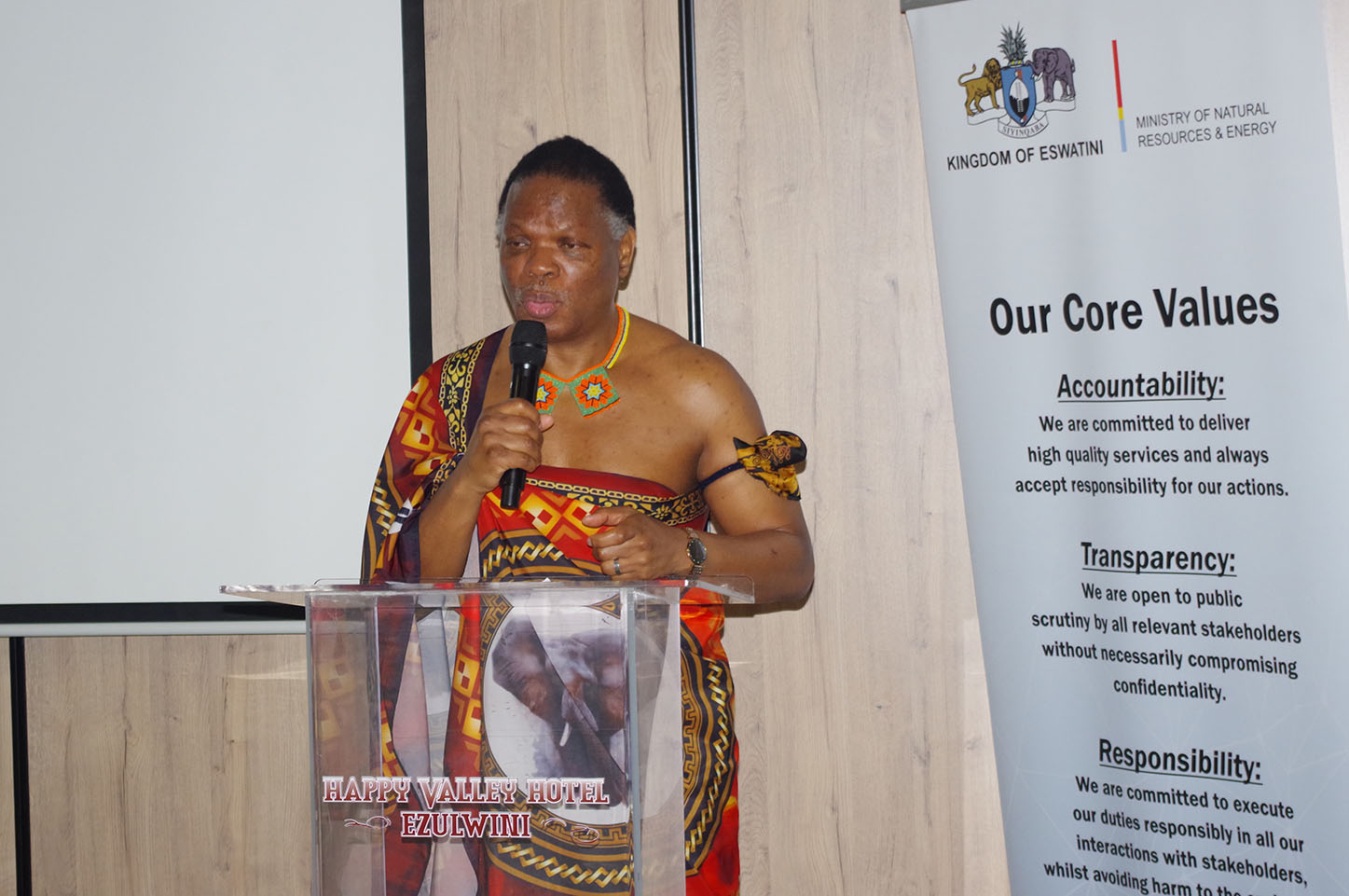
This was revealed by the Minister for Natural Resources and Energy, Prince Lonkhokhela, during a workshop for Senate on the Blending of Bio-Ethanol with Unleaded Petrol Regulations, 2025. The E147 million was spent in June.
Should the fund completely run out, emaSwati could pay more for fuel. The minister revealed that only about E860 million remained in the reserve to subsidise fuel. This translates to just under six months of funding, considering that government is spending about E147 million monthly, as the minister revealed.
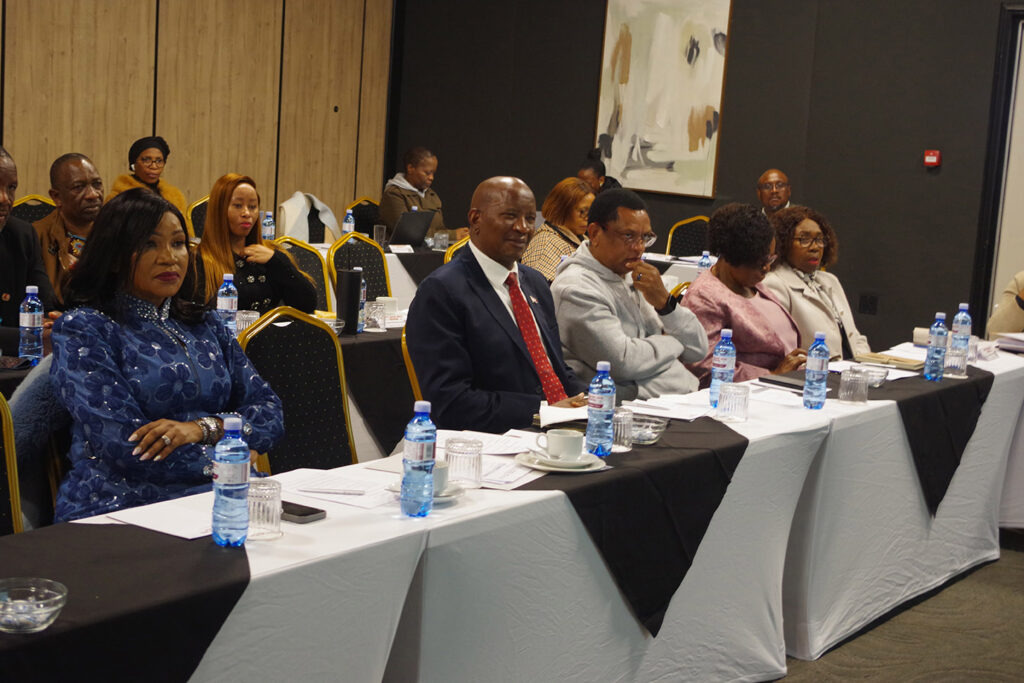
Also in attendance were senators, including Senate President Lindiwe Dlamini, Deputy Senate President Ndumiso Mduli, representatives from the Eswatini Energy Regulatory Authority (ESERA) and the Eswatini National Petroleum Company (ENPC).
Further, the minister revealed that, in the past three months, government had spent about E460 million to keep fuel prices low. With government continuing to use public funds to cushion emaSwati from the full cost of fuel, the figures have raised questions about how long the subsidy system can continue, particularly amid uncertainty in international oil markets.
Prince Lonkhokhela warned that government would have to be careful in regulating fuel prices, as the country navigates external pressures that could further increase the cost of petroleum products. “Petrol is expensive,” the minister said, pointing to the challenges facing the country as it seeks ways to contain the impact of high fuel costs.
He also raised concerns over the continued uncertainty surrounding the Strait of Hormuz, a strategically important global oil route. “If the situation at the Strait of Hormuz continues, we do not know,” he said, explaining that government was looking at ways of preventing further increases in the cost of petrol.
The minister’s comments suggest that the remaining subsidy reserve could become an increasingly important issue if international oil prices remain elevated or rise further. At an average monthly expenditure of E147 million, the remaining reserve would last just under six months. Government has not indicated that the subsidy will immediately end after six months, nor has it announced a specific increase that emaSwati should expect once the reserve is exhausted.
However, the minister’s disclosure provides a clear indication that the current arrangement cannot continue indefinitely without government either replenishing the reserve, reducing subsidy expenditure or allowing consumers to absorb a greater portion of fuel costs.
Meanwhile, Senate President Lindiwe Dlamini praised Their Majesties for the reserve fund, which has ensured that fuel prices remain low. She said this had been Their Majesties’ initiative to ensure that emaSwati did not have to dig deeper into their pockets for the commodity. Further, she said it was also Their Majesties’ desire to send senators to ensure that, when new laws were created, they should not negatively impact the lives of the people.














Leave a comment