

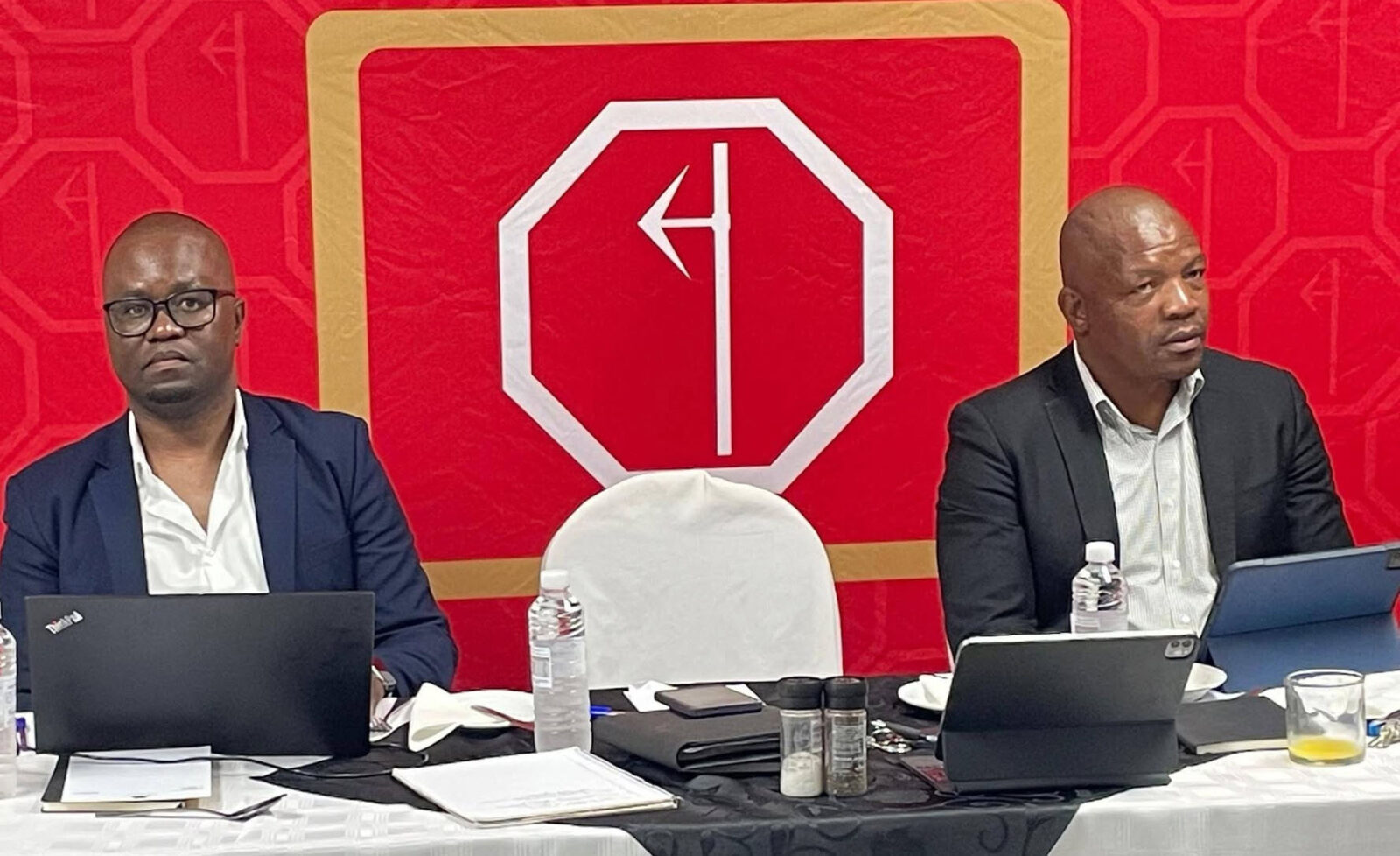
MBABANE – SBS Bank Eswatini will hold its first AGM next month, marking another milestone in its transition from Swaziland Building Society into a commercial banking institution.
The bank, formerly operating as Swaziland Building Society (SBS), will convene its inaugural annual general meeting (AGM) at Royal Villas Hotel, Hhohho, on Friday, September 4, 2026, at 9am.
The meeting comes at a significant point in the institution’s transformation as it moves beyond its former mutual building society model and establishes itself as a shareholder-owned commercial bank.
According to the notice of the AGM, shareholders will be asked to consider a number of matters linked to the bank’s transition, including receiving a conversion update and approving a special resolution relating to the Shareholders’ Agreement.
The AGM will also provide an opportunity for shareholders to formally deal with changes to the institution’s Board following the conversion.
One of the key items on the agenda is to note and confirm the retirement or resignation of the initial directors of the company and to elect and appoint nominated directors to the Board of SBS Bank Eswatini Limited.
The directors nominated for appointment are Dr Bongiwe Dlamini-Mazibuko, Samuel Shongwe, Theodore Lukhele, Simanga Simelane, Mduduzi Dlamini, S’thofeni Gininidza, Professor Patricia Joubert and Jonathan Magongo.
The AGM will also consider the audited financial statements for the period ended December 31, 2025, together with the reports of the directors and auditors.
Shareholders will further be asked to approve the remuneration of the auditors for the past financial year and appoint auditors for the ensuing year, with PricewaterhouseCoopers (PwC) being eligible for reappointment.
The meeting is expected to offer the bank an important platform to demonstrate how far the conversion process has progressed and outline the direction of the institution under its new commercial banking structure.
The conversion has already been accompanied by changes in ownership, governance and technology as SBS Bank positions itself to compete in Eswatini’s banking industry.
The Public Service Pensions Fund (PSPF) is now the largest shareholder in SBS Bank Eswatini, with a 44 per cent stake.
Eswatini Royal Insurance Corporation (ESRIC) holds 28 per cent, while government owns 7 per cent of the bank. Tibiyo TakaNgwane has a 4 per cent stake, while Swaziland Empowerment Limited controls 3 per cent.
The remaining shares are distributed among individual investors and smaller groupings, including Savings and Credit Co-operative (SACCOs), with some of these shareholders having previously been members of the building society.
Government’s 7 per cent ownership has also recently come into sharper focus after it formally received its shareholder certificate, marking another milestone in the restructuring of the institution.
The new structure represents a major departure from the ownership model under which Swaziland Building Society operated for decades.
Previously, the institution was member-owned, with members holding permanent shares rather than conventional equity in a commercial banking company.
The conversion process involved more than 9 500 members of the former building society and has resulted in the institution emerging with a new shareholder base dominated by major institutional investors.
















Leave a comment