

MBABANE – Eswatini should prioritise economic stability and sustainability over an aggressive pursuit of growth as global and regional uncertainties increase the risk of economic shocks.
This is according to Economist Dr George Choongwa.
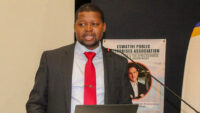
Choongwa, Regional Coordinator at the Southern African Research Foundation for Economic Development (SARFED), said the country’s relatively small and externally dependent economy made it particularly vulnerable to disruptions in global markets.
He argued that the current economic environment called for policymakers to concentrate on strengthening the foundations of the economy rather than chasing headline growth rates that could prove difficult to sustain.
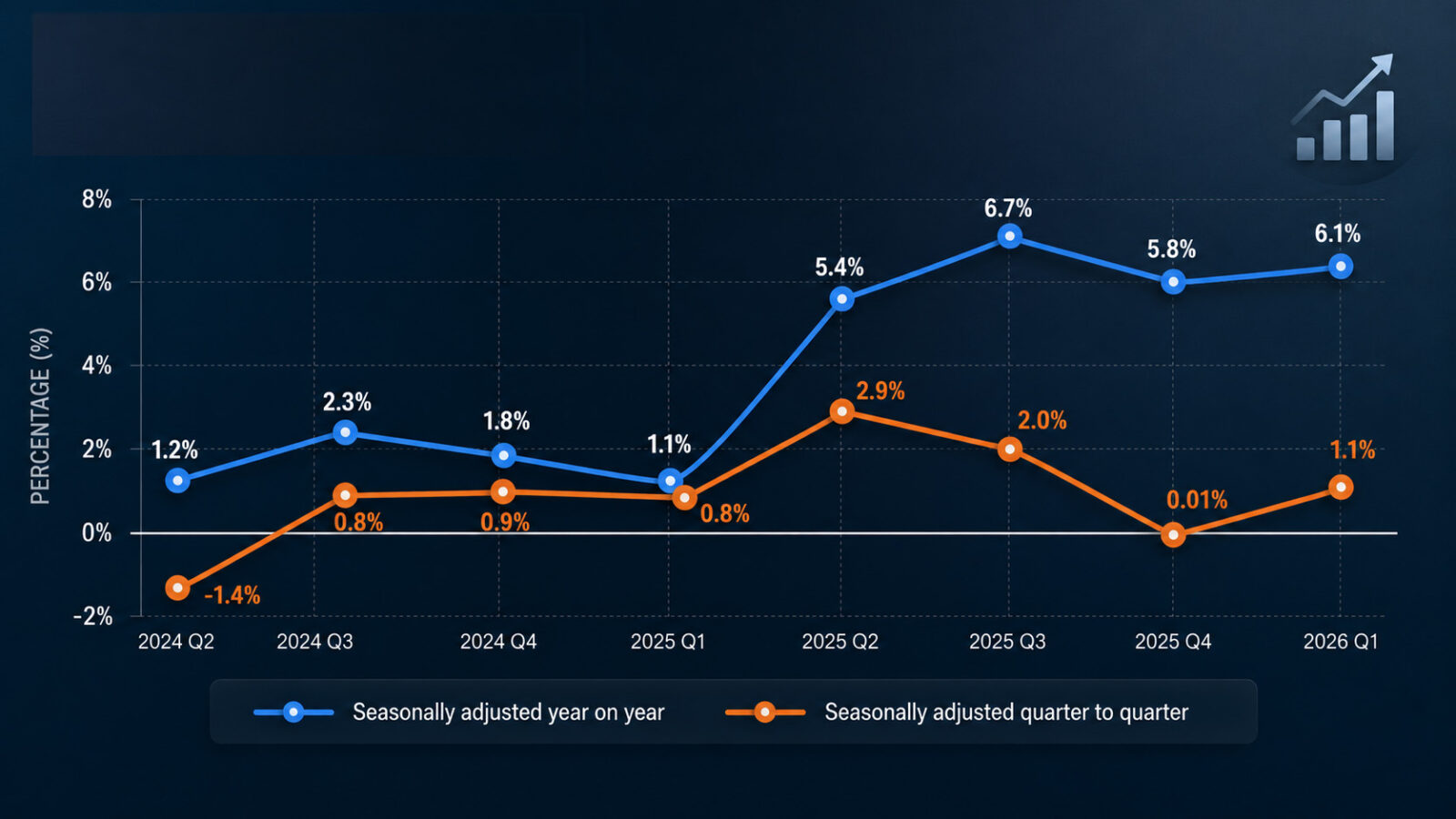
His comments come against the backdrop of a projected moderation in Eswatini’s economic growth after a strong performance in 2025, when real Gross Domestic Product (GDP) growth accelerated to 4.9 per cent, according to figures cited in his analysis.
Choongwa said the anticipated slowdown should not necessarily be interpreted as a weakness in the economy, but could instead provide an opportunity for government to consolidate recent gains and strengthen the country’s resilience.
“While such findings might be correct, it is also critical to state that such development can and should be considered as a gateway for the sustainability and competitiveness of Eswatini’s economic landscape,” he said.
The economist’s position comes as the International Monetary Fund (IMF) and other institutions continue to highlight the risks facing small, open economies from global financial conditions, energy prices, weaker external demand and developments in major trading partners.
The African Development Bank (AfDB), in its 2026 African Economic Outlook, projects Africa’s economy to grow by 4.2 per cent in 2026, down from an estimated 4.4 per cent in 2025. It said the outlook was being shaped by geopolitical tensions, tighter global financial conditions and supply-chain disruptions.
For Choongwa, these conditions reinforce the need for Eswatini to place macroeconomic stability at the centre of its policy agenda.













Leave a comment