

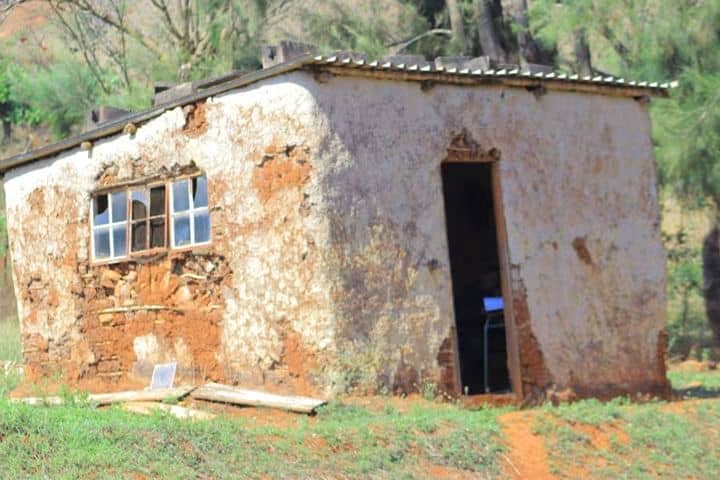
MBABANE- Crumbling classrooms, makeshift staffrooms and pupils repairing school walls have exposed the conditions teachers face in rural schools.
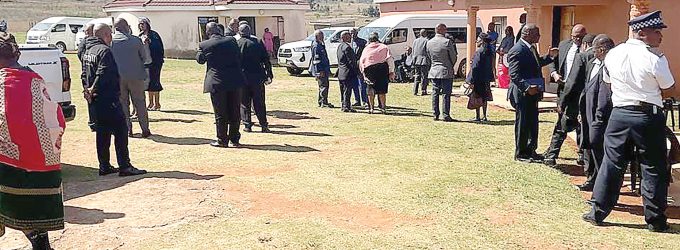
The conditions were uncovered during a tour by the Swaziland National Association of Teachers (SNAT), the Government Negotiations Team (GNU) Secretariat and representatives of the Hhohho Regional Education Office (REO).
The team visited selected schools in the Hhohho Region to assess the challenges faced by educators and determine the extent to which rural conditions justify the hardship allowance being pursued for teachers.
At Gobolondlo Primary School, the team was shown two structures which were previously used as classrooms but have remained derelict since their roof was blown off in 2019.
The structures have not been rehabilitated seven years later after construction experts reportedly advised that they were beyond repair.
The state of the classrooms formed part of the evidence being gathered by the team as it assesses the working conditions of teachers in rural schools.
From Lufafa, the team proceeded to Gobolondlo Primary School, where another picture of the challenges facing rural schools emerged.
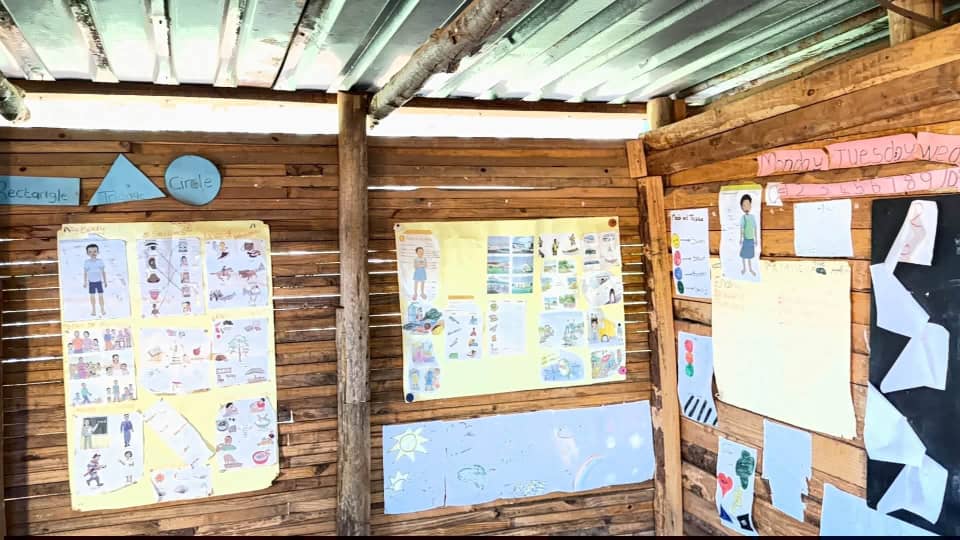
At Lufafa, pupils were found mixing water and sand to repair damage to a stick-and-mud structure currently being used as a staffroom.
Information gathered during the visit indicated that the structure was previously used as a teacher’s quarter before being converted into a staffroom.
The conditions observed during the tour have added weight to SNAT’s argument for teachers working in identified hardship areas to receive an allowance.
SNAT Secretary General Lot Vilakati said the assessment would continue in other parts of the country, with the next stop being the Shiselweni Region, specifically Gege.
Vilakati said the purpose of the tours was to establish the realities faced by teachers before the parties continue discussions on the proposed hardship allowance.
“Upon completion of these tours, we are hopeful that the discussions we will have will yield positive results for the educators in the country who need this allowance,” he said.
He said teachers would not be subjected to different treatment once schools qualifying for the allowance had been identified.
“There will be no special treatment or preference. Everyone who deserves it will get the allowance,” said Vilakati.
The tour is expected to provide the negotiating parties with first-hand information on the conditions at schools, particularly those located in rural and difficult-to-reach areas.
The team is expected to continue assessing schools as part of the process before further negotiations on the hardship allowance.










Leave a comment