

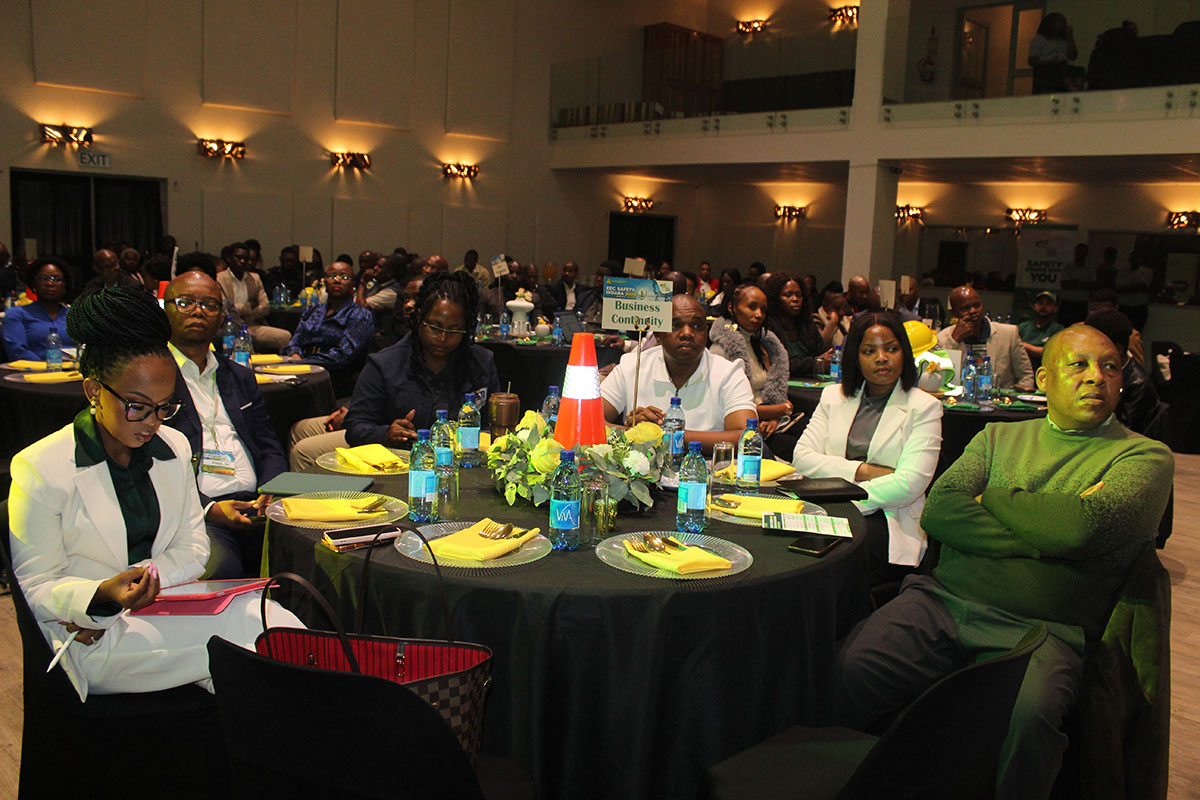
MANZINI – Eswatini Electricity Company (EEC) Acting Managing Director has urged employees to take psychological safety seriously, warning that workers may continue reporting for duty and performing their responsibilities while silently battling trauma.
The Acting MD was speaking during the EEC Safety Indaba, held at The Luke Commission (TLC), where workplace safety discussions extended beyond physical hazards to include employees’ mental and emotional wellbeing.
He said while it was relatively easy for an organisation to have policies, procedures, rules, training programmes and compliance systems, the real test of its safety culture came when employees were under pressure.
This included situations where projects were behind schedule, production targets were demanding, customers required immediate restoration of services or stopping a job could have financial consequences.
“That is where our safety culture is truly revealed,” Maziya said.
Maziya said EEC’s 2025 Safety Culture Survey had provided the organisation with an important baseline, revealing that it was predominantly operating at a dependent safety culture level.
The survey identified gaps in leadership accountability, communication, employee engagement and contractor management.
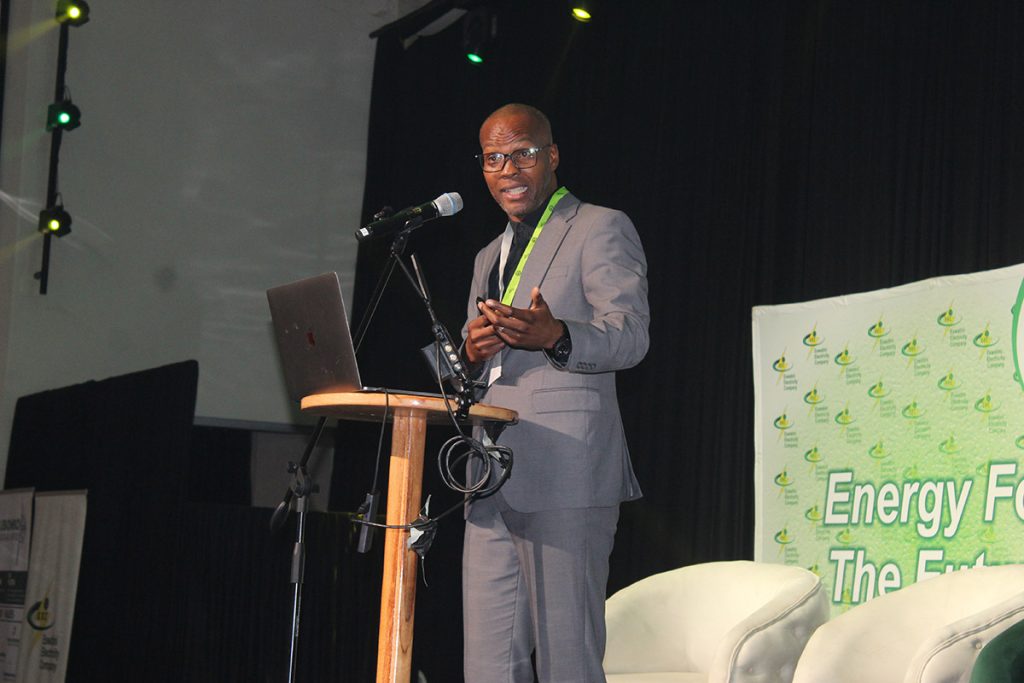
The indaba featured a presentation by Eswatini Business Health’s Siyabonga Mabuza, who spoke on Psychological Safety and Trauma Recovery.
Mabuza said trauma did not always manifest through obvious signs such as crying, withdrawal or visible distress, as some people continued functioning despite being emotionally affected.
“The reality of trauma is there are people who show up functioning, yet not okay,” Mabuza said.
He said this could result in what he referred to as functional depression, where an individual continued with daily responsibilities while struggling internally.
According to Mabuza, such people could appear strong and capable until they eventually reached a breaking point, leaving colleagues shocked because they had not recognised the warning signs.
“You show up until the day you crash and we are shocked,” he said.
Mabuza said people often became accustomed to hiding their struggles because they knew how to “look okay” and “play the part”.
He urged employees to pay attention to changes in their behaviour, including loss of excitement, enthusiasm, concentration and memory.
“Are you okay?” he asked, encouraging people to regularly conduct personal emotional checks.
Mabuza said trauma should not only be understood in terms of the event that happened to a person, but also by considering the psychological impact of that event.
“Trauma is not what happens to you. Trauma is what happens inside of you based on what happens to you,” he said.
He explained that trauma was a response to a catastrophic or overwhelming experience, which could leave an individual feeling that they were no longer coping.
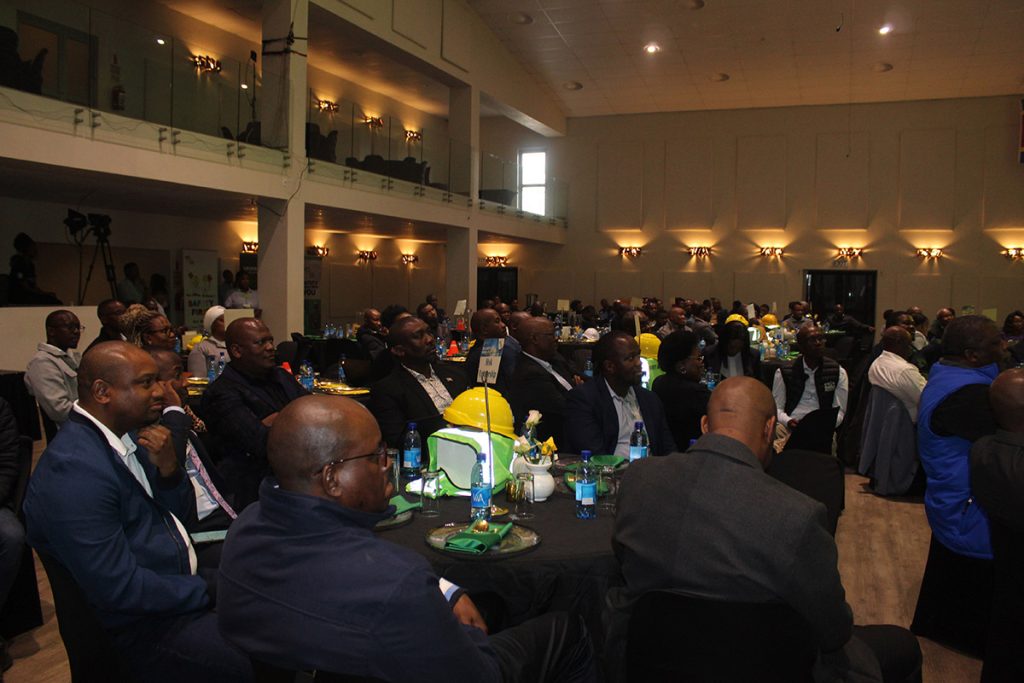
Mabuza said people could endure difficult experiences for a long time before reaching a point where they felt they could no longer take it.
He encouraged employees to ask themselves whether they were coping, whether they were okay and whether they were becoming better.
Mabuza said burnout could develop gradually, with individuals sometimes struggling to recognise what was happening to them.
He encouraged people to reflect on changes in their behaviour and ask themselves when they last felt genuinely excited about something.
He said trauma could affect an individual’s ability to perform tasks they previously enjoyed.
Mabuza explained that a person could start a project with enthusiasm and a sense of achievement, only to struggle to maintain the same momentum because of trauma.
He said workplaces needed to recognise these changes instead of immediately interpreting them as laziness, poor performance or a lack of commitment.

WORKPLACE BULLYING
The mental health expert also raised concerns about bullying and toxic masculinity in workplaces, saying these could contribute to unhealthy working environments and affect employees’ psychological wellbeing.
He urged employees to accept people for who they were instead of constantly trying to change them to fit personal expectations.
“Never expect people to be what you want them to be. Learn to accept people for who they are and adjust yourself,” he said.
Mabuza said workplace relationships were important because employees might not initially view themselves as being in relationships when they went to work, yet relationships were necessary for organisations to function effectively.
He said interactions between colleagues could either contribute to psychological safety or create additional pressure.
Mabuza cautioned people against telling someone experiencing trauma to simply “be strong” or “try to be okay”.
He said such statements could unintentionally place additional pressure on a person who was already struggling.
Instead, he encouraged people to create a supportive environment in which individuals could process their experiences.
He said people who had experienced trauma might carry fragments of those experiences with them, making it important for colleagues and organisations to respond with greater sensitivity.
“When you understand that people can go through trauma, try to be more sensitive,” he said.
Mabuza said organisations should create spaces where employees felt safe enough to talk about what they were experiencing.
He also urged people to understand that abnormal experiences did not necessarily produce normal emotional responses.
“Abnormal things do not demand normal responses,” he said.
He encouraged individuals experiencing significant changes in their emotional or behavioural state to reflect on what might have happened in their lives recently.
“What has happened in the past five days?” he asked, encouraging people to consider whether a recent event could have contributed to the changes they were experiencing.
Mabuza said the purpose of discussing trauma was ultimately to help organisations and individuals identify warning signs early and prevent further harm.
He stressed the importance of self-care, emotional awareness and supportive relationships in helping people navigate traumatic experiences and recover.
The Acting MD said creating a safe workplace required the participation of everyone, including managers, supervisors and employees.
The message formed part of discussions at the EEC Safety Indaba, where workplace safety was considered beyond physical hazards to include the psychological wellbeing of employees.

















Leave a comment