

Madam,
The latest regional sugar industry report should not simply make us proud that Eswatini growers receive 68.1 per cent of distributable proceeds. It should make us ask a much harder question: Why does producing sugar cane not seem to translate into prosperity for many of our growers?
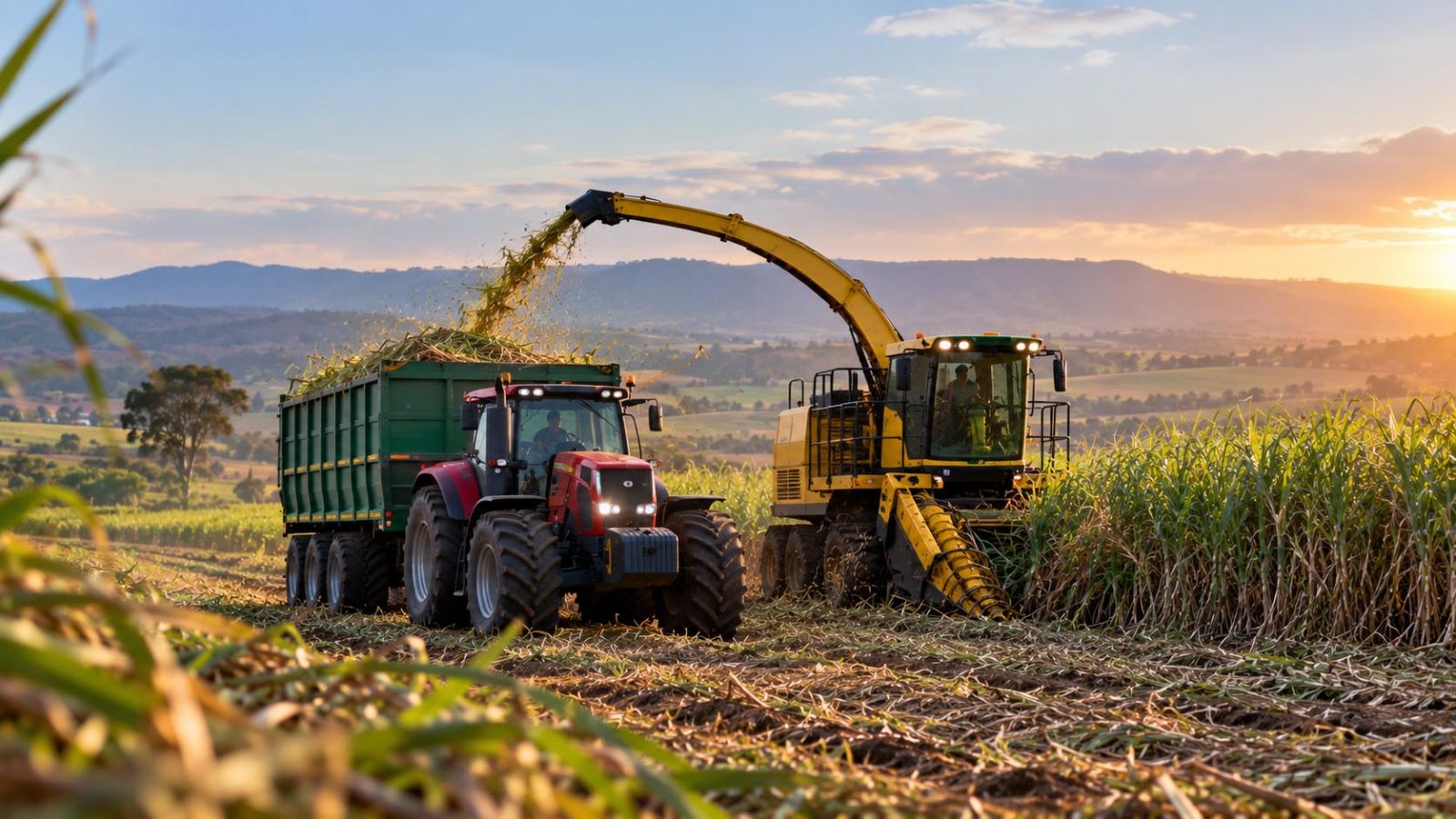
Our sugar cane is among the best grown in the region. Compared with much of what is produced in KwaZulu-Natal, our cane is well cultivated and carefully managed. Yet something does not add up. The quality and effort put into the crop do not always seem to match the yields and cash returns received by farmers.
Look across the border into South Africa and the picture can be very different. A relatively small sugar cane farmer can build a decent home, buy a new vehicle and proudly be identified as a sugar cane farmer. In Eswatini, the opposite can be true. Growers can remain financially strained despite investing heavily in an industry generating billions of Emalangeni.
We even hear of benchmark dividends of around E15 000 and slightly above. If this is what some growers are receiving, then we must ask: Why?
The regional report tells us that Mauritius gives growers 78 per cent of proceeds while Zimbabwe gives them 77 per cent, compared with Eswatini’s 68.1 per cent. Mauritius also allows growers to benefit from by-products such as molasses and bagasse. This concerns us.
Sugar cane does not produce sugar alone. Bagasse can generate electricity while molasses can be used for ethanol and other products. If these by-products generate substantial value, growers deserve to know how much is being generated and whether they are receiving a fair share.
The industry generated E8 billion in revenue during 2025/26, with E6.7 billion classified as distributable revenue. Meanwhile, 93 per cent of active growers are small-scale farmers. These are emaSwati putting their land, labour and money into an industry that generates billions. So, where is the disconnect? Could it be the structure of the value chain? Could it be management? Could it be governance? Could poor accountability be part of the problem?
We must also be careful about the language we use around leadership. Nobody should become a ‘director of poverty’, presiding over poor returns while committees allegedly engage in corruption or mismanagement and government intervention appears absent.
The answer is not to attack individuals without evidence. The answer is to demand transparency, independent audits and accountability.
If our cane is good, our farmers work hard and the industry generates billions, why are many growers not becoming prosperous?
Concerned

















Leave a comment