


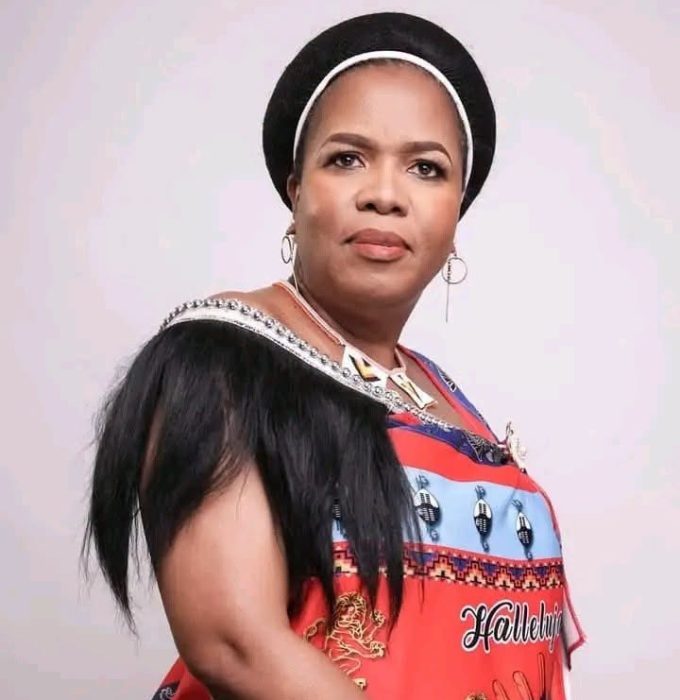
There are some public servants whose legacy is not found in one grand announcement or a single defining moment. It is built quietly over years, through the institutions they lead, the people they serve and the causes they carry beyond the walls of government. Princess Lindiwe leaves behind such a legacy.
Her eight years as minister for Home Affairs, spanning two terms from 2018, placed her at the centre of some of the most personal aspects of everyday life in Eswatini. Home Affairs is the ministry that deals with identity, citizenship, immigration, birth registration, national events and the movement of people. Under her stewardship, the ministry continued pursuing reforms that brought these services closer to the people and sought to modernise the way they were delivered.
One of the most meaningful examples was the Mopping-Up Exercise, which Princess Lindiwe championed as an effort to ensure that emaSwati who had never obtained birth certificates could finally receive them. The initiative moved beyond offices and into communities, recognising that legal identity is not merely paperwork. It determines whether people can access opportunities and participate fully in society.
Parliament recorded her launching the exercise in Hhohho in 2024, where she emphasised the importance of ensuring that all emaSwati were registered. By then, the exercise had already made progress in Lubombo and Shiselweni before moving into other regions.
Her tenure was also marked by a push towards digitisation. In 2024, Princess Lindiwe told legislators that the Ministry of Home Affairs was pursuing digital transformation of its services to strengthen security, improve efficiency and reduce opportunities for corruption. This was part of a broader effort to move government services away from cumbersome processes and towards systems better suited to a modern administration.
There was also progress in border management. The Ngwenya Border Gate became a 24-hour operation during her tenure, an important development for a crossing that serves substantial volumes of people and trade between Eswatini and South Africa. Princess Lindiwe had earlier advocated stronger cooperation between the two countries’ Home Affairs authorities, including the revival of regular official engagements to address migration and border-management issues.
But perhaps the most distinctive part of Princess Lindiwe’s life was that public service was only one expression of who she was.
Away from Cabinet, she was a pastor and, together with her husband, Bishop Robert Kasaro, helped lead Jesus Calls Worship Centre, which has branches in Eswatini and South Africa. Government records identify her as a pastor and leader of the church’s Ladies Ministry. Her spiritual leadership, therefore, extended beyond Sunday worship. It placed her in a position where faith, service and community leadership intersected.
That background also gave particular meaning to her work in Home Affairs, a ministry with responsibilities touching religious organisations.
During her tenure, the ministry engaged religious leaders on the development of a national policy for religious institutions, with consultations intended to create greater order while respecting freedom of worship.
Princess Lindiwe was also entrusted with responsibilities beyond Cabinet. She served on Liqoqo from 2008 before entering Parliament and later becoming minister for Home Affairs. In 2026, she was involved in preparations for the nation’s commemoration of His Majesty King Mswati III’s 40th Coronation Anniversary, including unveiling the Ruby Jubilee logo and coordinating aspects of the national celebrations.
Perhaps that is the most fitting way to remember her: As a woman who served in two worlds.
In government, she was entrusted with the machinery of citizenship and national life. In the Church, she served as a spiritual leader alongside her husband.
Her legacy should, therefore, not be reduced to the office she occupied. It lives in citizens who obtained documents, in services that moved towards modernisation, in communities reached by government programmes and in congregants who knew her as Umkhokheli.
Eswatini has lost a minister, a princess and a woman of faith. But it has also lost a servant who spent years occupying spaces where leadership demanded both public responsibility and personal conviction.
May her service be remembered with dignity, gratitude and grace.
















Leave a comment