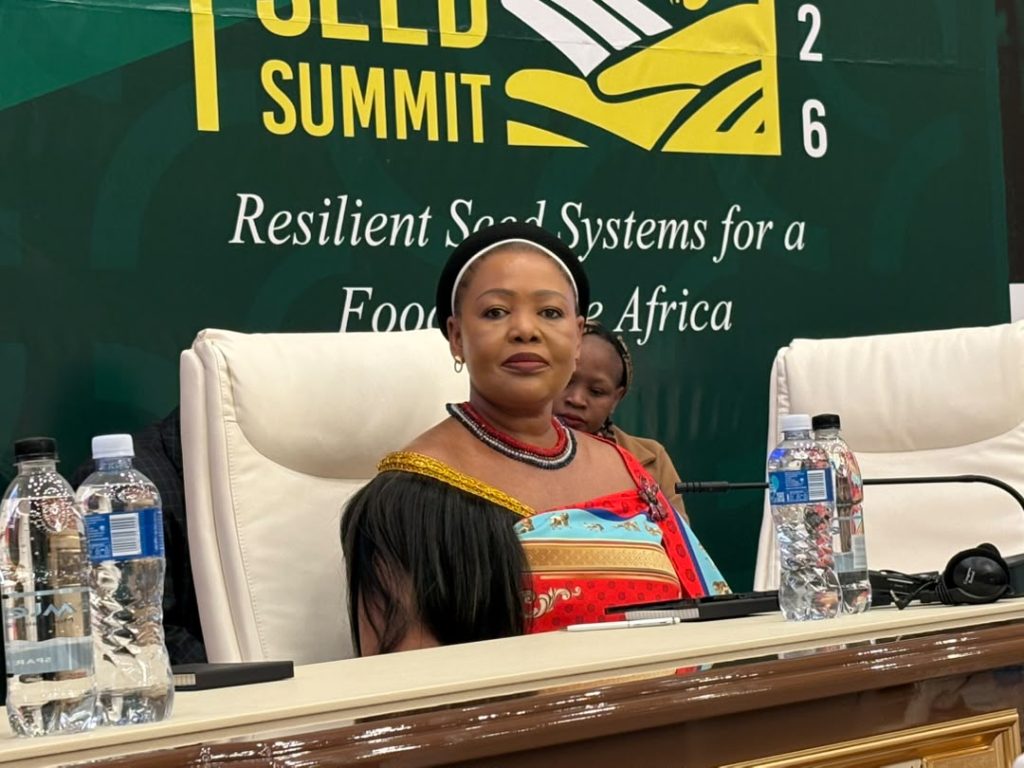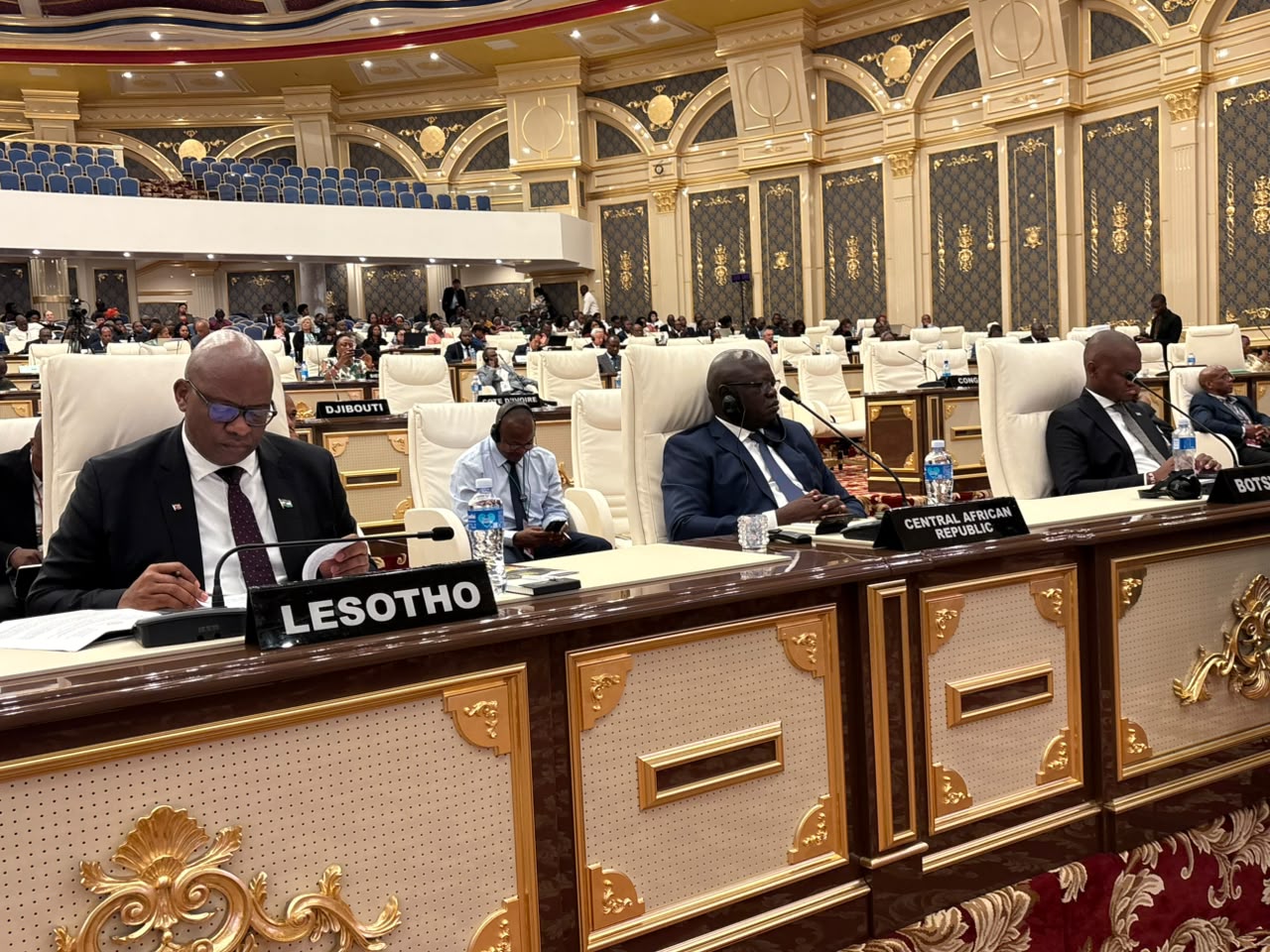
EZULWINI – A proposed $1 billion seed initiative must directly benefit smallholder farmers to be considered a success, Lesotho’s delegation has warned.
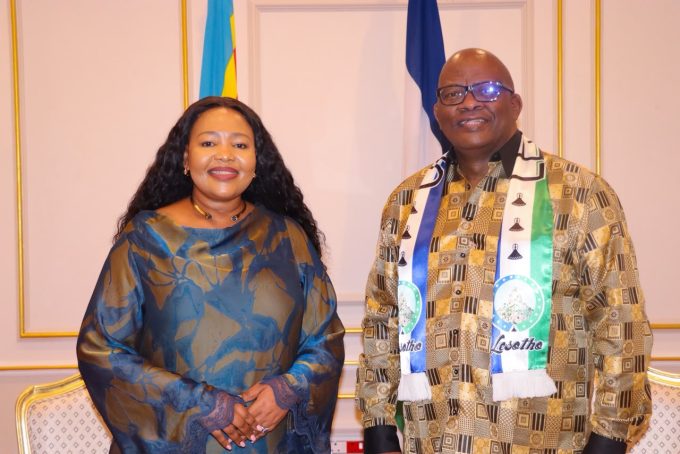
Speaking at the African Union Seed Summit in Ezulwini, Lesotho Minister for Foreign Affairs and International Relations Limpho Justice Tau stated that continental financing must move beyond headline figures and reach least-developed nations facing severe climate pressures.
“Financial commitments must follow political commitments,” Minister Tau stated. “The proposed mobilization of at least 1 billion US Dollars between 2026 and 2035 is significant. But the true measure of this commitment will not be the headline figure; it will be whether resources reach the countries, institutions, and farmers where the need is greatest.”
Tau called for dedicated grant windows and flexible financing arrangements tailored specifically for Least Developed Countries (LDCs) and Landlocked Developing Countries (LLDCs).
He urged African nations to shift away from uncoordinated initiatives toward a unified, continent-wide effort that protects agricultural systems from worsening climate shocks.
“This session must, therefore, mark a decisive shift from fragmented initiatives to coordinated continental action, from declarations of intent to measurable implementation, and from dependence to resilient African capability,” Tau urged.
Emphasising the strategic importance of the sector, the minister noted that seed security is inextricably linked to food sovereignty, economic stability, and human dignity across the continent.
“Seed is the first link in the food value chain. If that link is weak, every ambition we hold for nutrition, rural transformation, industrialization, and economic resilience is weakened with it.”
Tau reaffirmed Lesotho’s readiness to partner with the African Union Commission, regional blocs and development partners to establish resilient seed value chains that deliver practical results on the ground.
“The time for fragmented action must give way to continental purpose. The time for unfunded commitments must give way to investment. And the time for treating seed systems as a secondary development concern must come to an end,” he said.