EZULWINI – Acting Deputy Prime Minister Sikhumbuzo Dlamini has called for stronger coordination between government institutions, Parliament, civil society and community structures to prevent child marriage.
Dlamini said the protection of children required institutions to work collectively, ensuring that concerns raised at community level were connected to institutions capable of providing assistance.
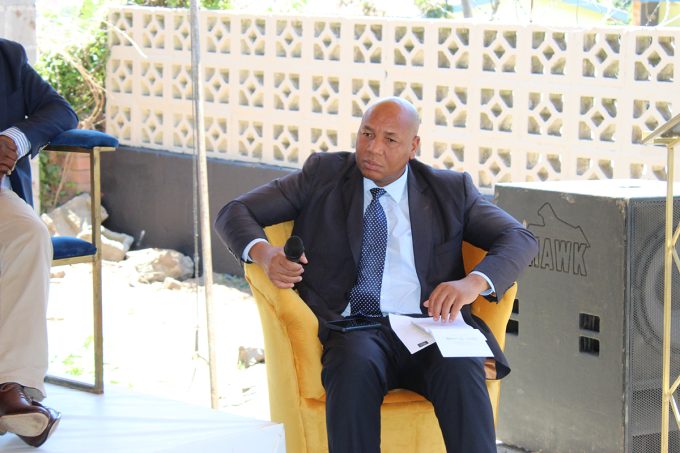
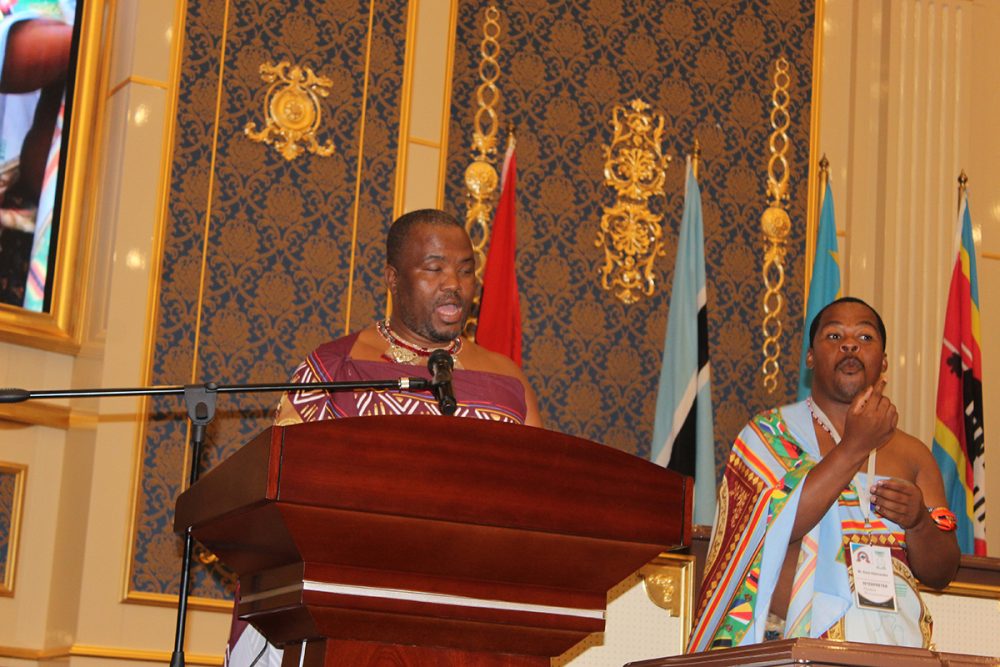
He was speaking during the second day of the SADC Parliamentary Forum at the Palazzo International Convention Centre, where delegates were expected to examine institutional cooperation, national implementation arrangements and the role of communities in advancing the protection of children.
Dlamini said the Office of the Deputy Prime Minister dealt with circumstances where people’s needs often crossed several institutional mandates, including family welfare, education, health, disability, personal safety and access to public services.
He said this made coordination essential, particularly in cases involving the prevention of child marriage, where a concern could initially be raised by a community leader, school, youth organisation or an organisation supporting women.
“The person who receives the concern needs a dependable connection to those able to act. Our discussion should examine those connections closely. When a case is referred, is responsibility clearly accepted? Does the referring officer know that the matter has been received? And is there a means of checking whether assistance follows?” he said.
Dlamini said institutions need to establish whoever maintains contact with the child and family where several agencies become involved, adding that such questions are central to the quality of public administration and the ability of people to navigate services confidently.
He said the effectiveness of public services should also be assessed against the realities faced by communities, as people living far from service centres could experience difficulties accessing assistance.
“Travel, disability, language, working hours and unfamiliar procedures can all affect access. We must understand these circumstances well enough to design responses that people can actually use,” he said.
Dlamini said community structures, including umphakatsi and inkhundla, present opportunities for earlier engagement, improved communication and stronger follow-up in addressing concerns affecting children and families.
He said community leaders should have current contacts, clear referral procedures and an understanding of their responsibilities, while national institutions should regularly communicate the support available, how it could be accessed and what people should expect after seeking assistance.
He said maintaining these connections were an ongoing administrative responsibility, as personnel, contact details and programmes changed, rendering previously communicated information potentially outdated.
Dlamini also called for clarity in the responsibilities of government departments, Parliament, community institutions and civil society organisations, saying partnerships need to translate into practical arrangements for responding to people’s concerns.
He further emphasised continuity of support, saying families should not be forced to repeatedly explain their circumstances because responsibility had shifted between officers or institutions.
“Where a handover is necessary, the receiving institution should have the information required to proceed, subject to appropriate confidentiality,” he said.
Dlamini said the experiences of women and young people should inform the design and delivery of services, as they could help institutions identify confusing procedures, delayed assistance and additional support requirements.