MPAKA – Lubombo marriage officers have proposed E2 000 for a package of 10–12 premarital counselling sessions and E1 500 for officiating at a marriage.
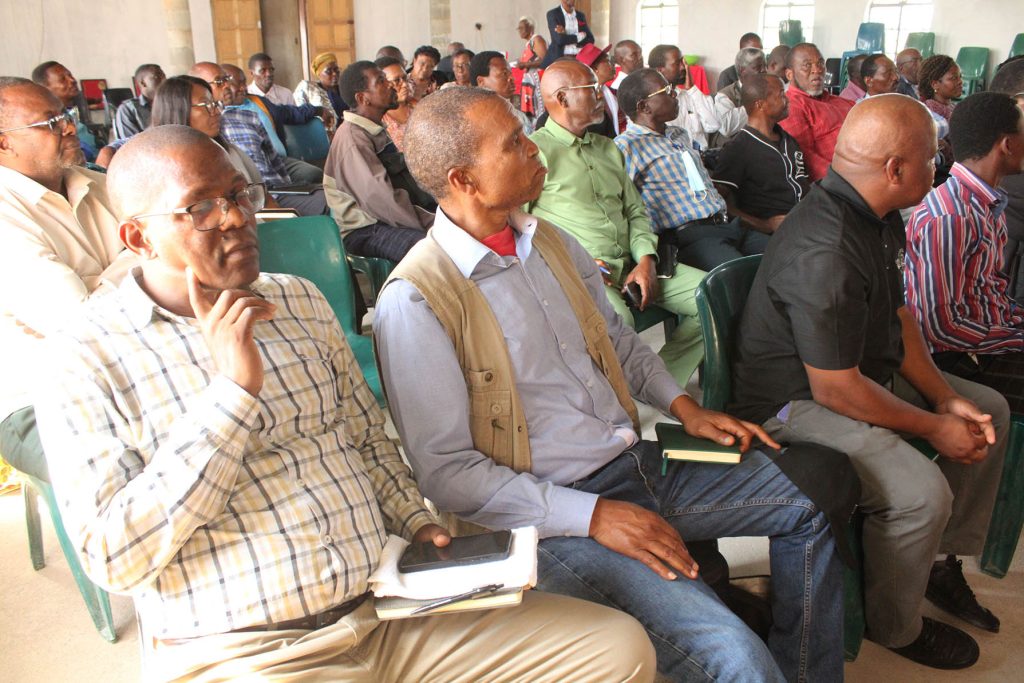
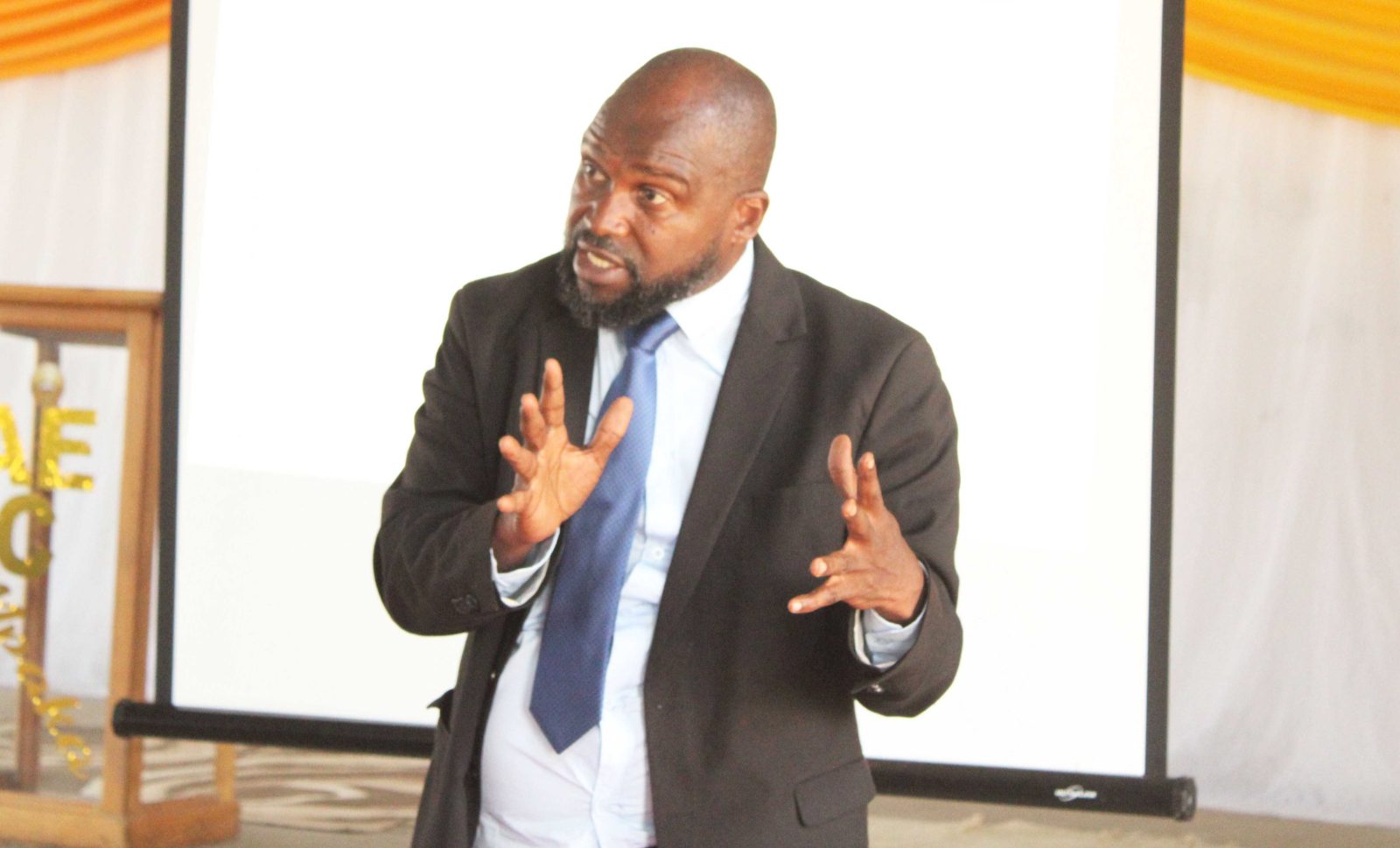
The proposed fees emerged during a regional meeting of marriage officers held at Mpaka AEC, convened by the Interim Committee for Marriage Officers in Eswatini in partnership with the Home Affairs Department of Civil Rites Marriage Registration.
The meeting sought to gather proposals from marriage officers on how much they should charge for premarital counselling and officiating at marriages, with the aim of establishing standardised fees across the country.
During the meeting, Interim Committee Chairperson Mduduzi Mamba invited the officers to suggest amounts they considered appropriate for the two services, taking into account the work involved in preparing couples for marriage and the expenses incurred when officiating at ceremonies.
Mamba explained that marriage officers from the other three regions, namely Manzini, Hhohho and Shiselweni, had also submitted their proposals.
He said the committee would collect the suggested amounts from all four regions before considering them and determining standardised fees that would apply nationally.
For premarital counselling, officers initially proposed different amounts, reflecting their views on the time and effort required to prepare couples for marriage.
One of the officers suggested that they charge E100 per session for the 10–12 premarital counselling sessions, while another proposed E150 per session, emphasising that counselling required considerable work.
Interim Committee Vice Chairperson Mandla Dlamini contributed to the discussion by stating that lawyers charged approximately E2 800 per hour for marriage counselling.
Following his remarks, one of the officers stood up and proposed that marriage officers should charge E2 000 as a package covering all 10–12 premarital counselling sessions.
The proposal was subsequently put to a vote by Mamba, who asked the officers to indicate their preferred amount.
The majority raised their hands in support of the E2 000 package, making it the preferred proposal among the officers present at the meeting.
However, the amount is still a proposal, as the committee is expected to consider the submissions from all four regions before determining the standardised fees.
Apart from premarital counselling, the officers also discussed the amount they should charge for officiating at marriage ceremonies.
The proposed fees ranged from E1 000 to E2 000, with officers suggesting E1 000, E1 200, E1 500 and E2 000 as possible charges.
After the chairperson called for a vote, E1 500 emerged as the preferred amount, receiving support from the majority of officers who raised their hands.
The officers indicated their preference for the amount as a suitable fee for officiating at a marriage, taking into consideration the costs associated with attending and conducting ceremonies.
Mamba explained that the proposed E1 500 would help marriage officers cover expenses incurred when officiating at weddings, including transport costs and clothing.
These expenses may arise from travelling to venues where ceremonies are held and ensuring that officers are appropriately dressed when performing their duties.
The meeting also clarified why the proposed charges for premarital counselling and officiating at marriages would be treated separately rather than combined into a single fee.
According to Dlamini, the two services were kept separate because some couples preferred to use different marriage officers for premarital counselling and for officiating at their marriage ceremony.
The proposed fees are, therefore, intended to accommodate couples who may require either service independently, as well as those who may engage the same marriage officer for both.