BY MUKELO MAGAGULA
SIMUNYE– Government’s OVC Education Grant has remained at E1 950 per child for 20 years, despite rising school fees and the cost of education.
The failure to review the grant over the past two decades has left thousands of orphaned and vulnerable children struggling to remain in school, as the financial assistance provided by government falls short of meeting their educational needs.
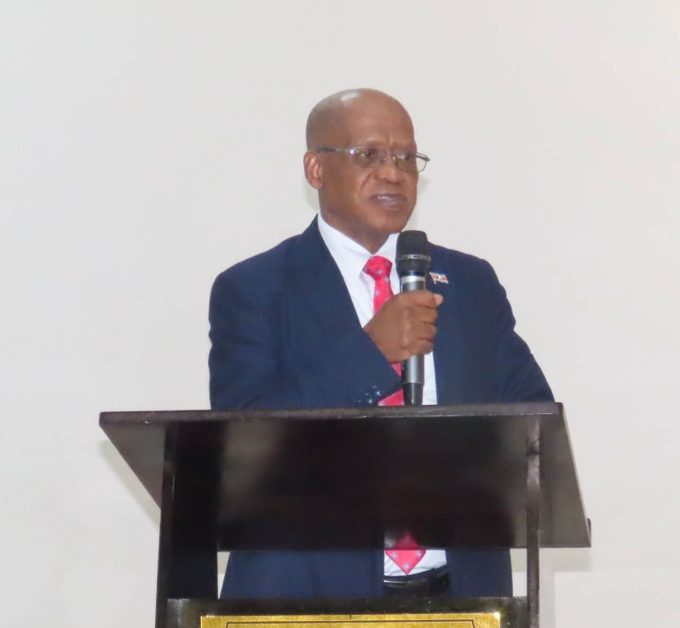
This was revealed by Fezile Khumalo, a Social Worker under the Department of Social Welfare in the Deputy Prime Minister’s Office, during a presentation on an intervention aimed at improving learner retention through strengthening the Orphaned and Vulnerable Children (OVC) Education Grant.
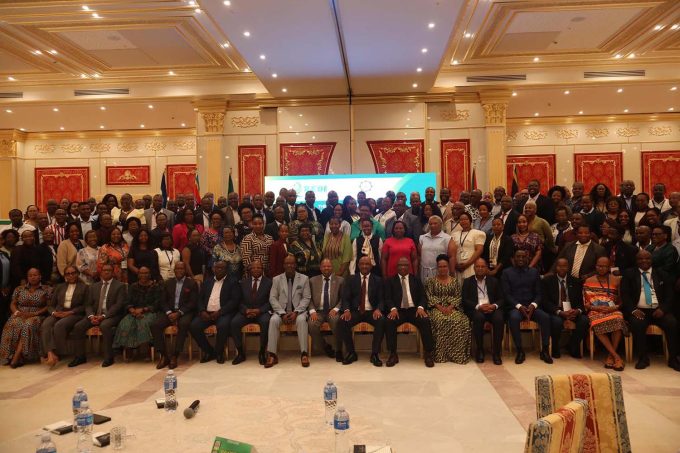
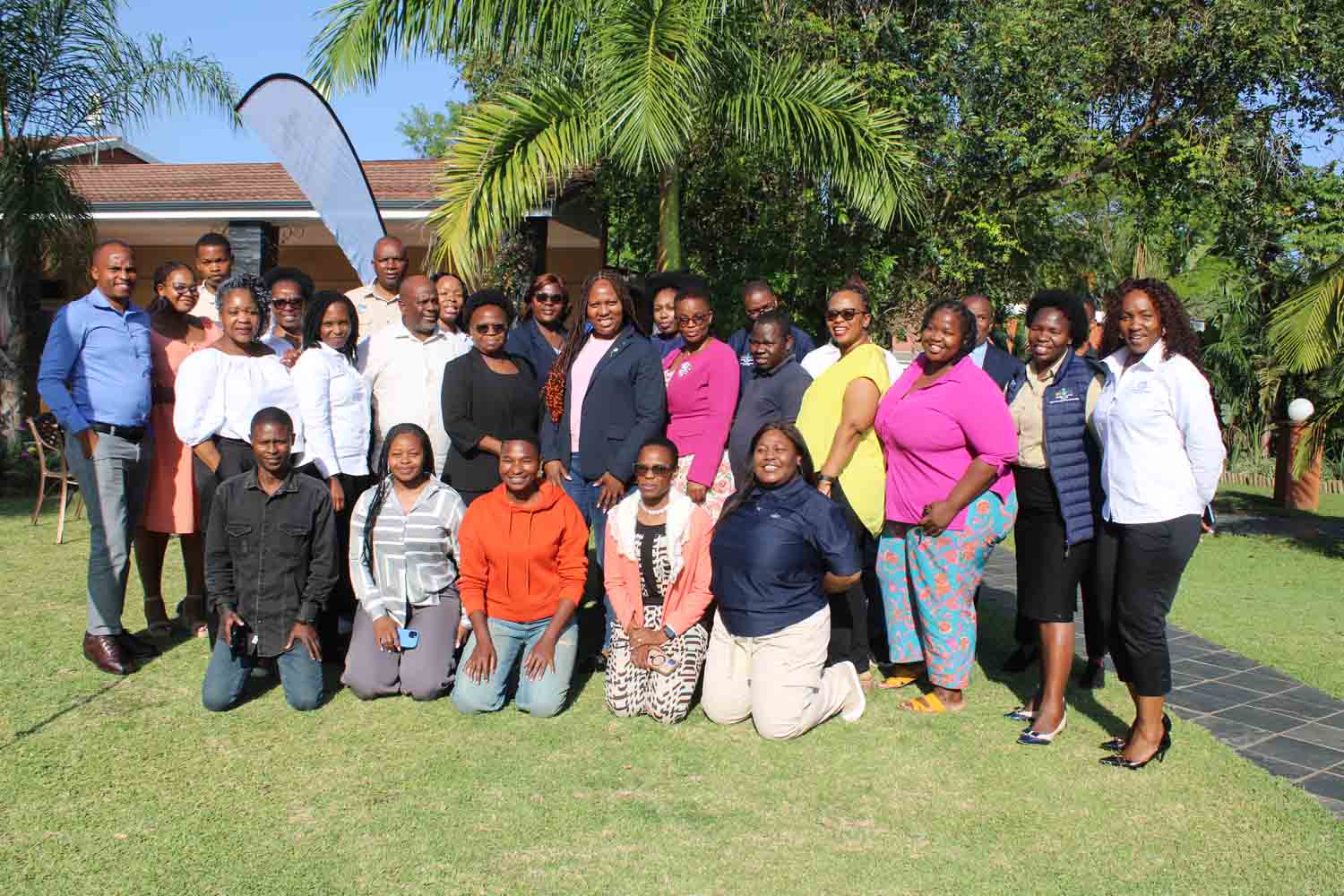
This was during a two days Media Engagement Session focused on strengthening basic education and early childhood development in Eswatini, at Simunye Country Club.
Khumalo said the grant had remained unchanged since its introduction approximately 20 years ago, despite significant changes in the cost of education and the financial circumstances facing vulnerable households.
“The learners are still getting E1 950 in the present day, despite the changes in the cost of education,” Khumalo said.
She warned that the inadequate amount was contributing to learners dropping out because their caregivers could no longer afford the difference between the grant and the actual cost of schooling.

According to Khumalo, school fees in public schools ranged from approximately E3 200 to E12 700, meaning that the existing grant could not adequately cover the costs faced by beneficiaries.
Khumalo questioned how a vulnerable child could be expected to remain in school when the financial assistance intended to support their education was significantly below the amount required by schools.
She explained that the intervention was designed to strengthen the existing OVC Education Grant and improve its ability to reach children who were most vulnerable.
Khumalo further revealed that approximately 59 000 learners benefited from the grant in 2025. However, this was less than half of the learners in secondary schools, suggesting that many children who needed assistance were either not accessing the grant or were not adequately supported.
A diagnostic study conducted nationally in early 2025 revealed worrying levels of vulnerability among children in Eswatini.
The findings showed that 73 per cent of learners were not living with their biological parents but were instead under the care of grandparents or guardians. Only 25 per cent were living with both parents.
Khumalo said the statistics demonstrated the extent of vulnerability among children and the need to reconsider the country’s approach to supporting their education.
The financial burden was particularly concerning for grandparents who were responsible for raising several children while depending on limited household income and social assistance.
Khumalo illustrated this using the example of a grandmother receiving E600 from the Deputy Prime Minister’s Office while caring for three, four or even five grandchildren.
Some chiefdoms were reportedly charging as much as E250 per child, leaving caregivers with little money to meet other household necessities.
The application process for the OVC Education Grant also presented additional financial and administrative challenges.
Khumalo said these requirements could discourage financially struggling caregivers from completing applications, even when their children qualified for assistance.
She explained that some grandparents had to choose between spending money on the application process and using it to meet the immediate needs of the children under their care.
Another challenge identified was the delayed disbursement of the grant.
Khumalo said payments were sometimes received in instalments, with some money arriving during the second school term, while the remaining amount could only be received around September or October.
She questioned how such schools were expected to operate between January and the arrival of grant payments later in the year.
Meanwhile, the diagnostic study established that financial difficulties were not the only factors affecting learner retention.
Approximately 40 per cent of learners reportedly came from food-insecure households that could not afford to provide three meals a day.
Some children depended heavily on school feeding programmes as their main source of food, meaning that they returned home without knowing whether they would have another meal.
Khumalo questioned how children experiencing hunger could concentrate and perform well academically.
The presentation also highlighted the long distances some learners travelled to access education.
Khumalo said such circumstances demonstrated that vulnerable children faced several interconnected challenges that could not be addressed through school fees alone.
The study further found that 87 per cent of learners identified school fees as their first priority when asked what assistance they needed.
To address these challenges, the project has proposed increasing the OVC Education Grant from E1 950 to E4 628.88 per learner.
The proposal forms part of a three-phase intervention designed to improve learner retention and strengthen the existing grant through evidence-based recommendations.
The first phase involved a national diagnostic study conducted in early 2025 to establish the shortcomings of the existing grant and identify possible improvements.
The country is currently implementing the second phase, which involves piloting an improved grant model in 16 schools.
Eight schools are being used as treatment schools, where learners receive the improved intervention, while another eight are serving as control schools.
The pilot has already recorded encouraging results among learners in the eight treatment schools.
According to Khumalo, the project identified a cohort of 667 learners in 2025 and managed to retain 617 of them in 2026.
This represented a retention rate of 93 per cent.
She described the achievement as outstanding for an intervention of this nature.
Khumalo said the intention was to ensure that any reform of the OVC Education Grant was informed by evidence rather than assumptions.
She said strengthening the grant would require more than increasing the amount paid to beneficiaries. It would also involve improving the identification of vulnerable children, ensuring timely disbursement and establishing sustainable institutional arrangements.