
… 15-year-old Eswatini representative calls for urgent action against child hunger
MBABANE – Schoolchildren fighting over a plate of rice and beans because there was not enough food.
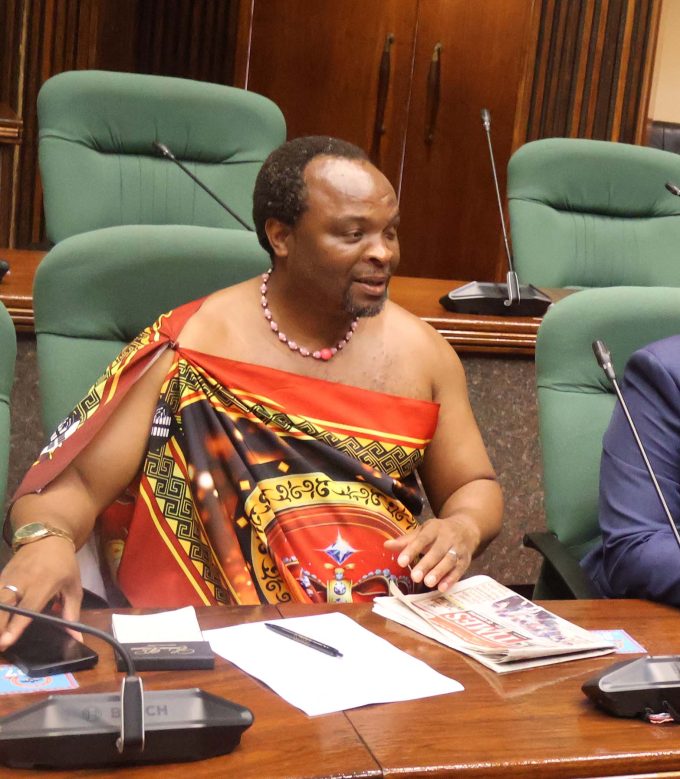
This is the disturbing scene witnessed by Eswatini’s 15-year-old child delegate, Hlelolwenkosi Nsibandze, during a visit to a school in a poor community on the outskirts of the country.
The teenager, an official child delegate of the Government of Eswatini supported by World Vision, shared the experience while appealing to governments across the world to intensify efforts to end child hunger and malnutrition.
His account highlighted the plight of children who struggle to access adequate food and the consequences hunger has on their health, growth and education.
Addressing an international audience, Nsibandze said the experience had deeply affected his.
“It touched my heart to see my peers fighting over a plate of rice and beans because the food was inadequate,” he said.
The teenager said the incident made his reflect on the difficulties faced by children who had little or nothing to eat at home.
“I can only imagine the pain of not having food at home and waiting till break time to get a proper meal at school,” he said.
His intervention brought attention to the importance of school feeding programmes, particularly for children from disadvantaged communities.
Nsibandze warned that child hunger remained a serious challenge in Africa and across the world despite efforts by governments to address it.
He said inadequate food affected children’s health, physical growth, concentration and ability to learn.
The teenager acknowledged efforts by the Government of Eswatini and other governments to tackle hunger and malnutrition.
However, he maintained that more needed to be done to ensure children received sufficient food.
His remarks also raised concerns about the future of children growing up without adequate nutrition.
“Normally it is said that children are the future of our countries, continents and of the world at large,” he said.
“But do we really want to have a leader who is malnourished and hungry?”
He answered his own question, saying he did not believe anyone wanted such a future.
Nsibandze also referred to documents he had encountered concerning policies aimed at ending child hunger in Africa.
He said the documents indicated that only 23 African countries had policies addressing child hunger.
He further referred to a figure of 73 million children in Africa in discussing the scale of hunger and malnutrition.
The sources and definitions of these figures were not identified in his intervention.
Turning to efforts in Eswatini, the teenager said he had recently learnt that some schools had extended their feeding programmes to weekends.
He welcomed the initiative, explaining that weekends were particularly difficult for children who did not have sufficient food at home.
He said such interventions were encouraging, although child hunger remained a serious concern.
Nsibandze appealed to governments to prioritise children’s nutritional needs rather than merely describing them as future leaders.
He argued that children needed adequate food to develop into the leaders their countries expected them to become.
Speaking as a representative of children, he urged governments to place their welfare at the centre of efforts to address hunger.
“Put the spotlight on us,” he pleaded.
He called for greater attention to ensuring that children across the world received enough food.
The teenager also appealed for more opportunities for children to express their concerns and contribute to discussions about decisions affecting their lives.
He said children needed platforms where they could explain their experiences and communicate the changes they wanted to see.
His message centred on the need to ensure that children were adequately fed, able to learn and given opportunities to participate in shaping their future.