MBABANE – Government is rolling out smart electricity meters that could allow eligible consumers to supply surplus renewable electricity to the national grid.
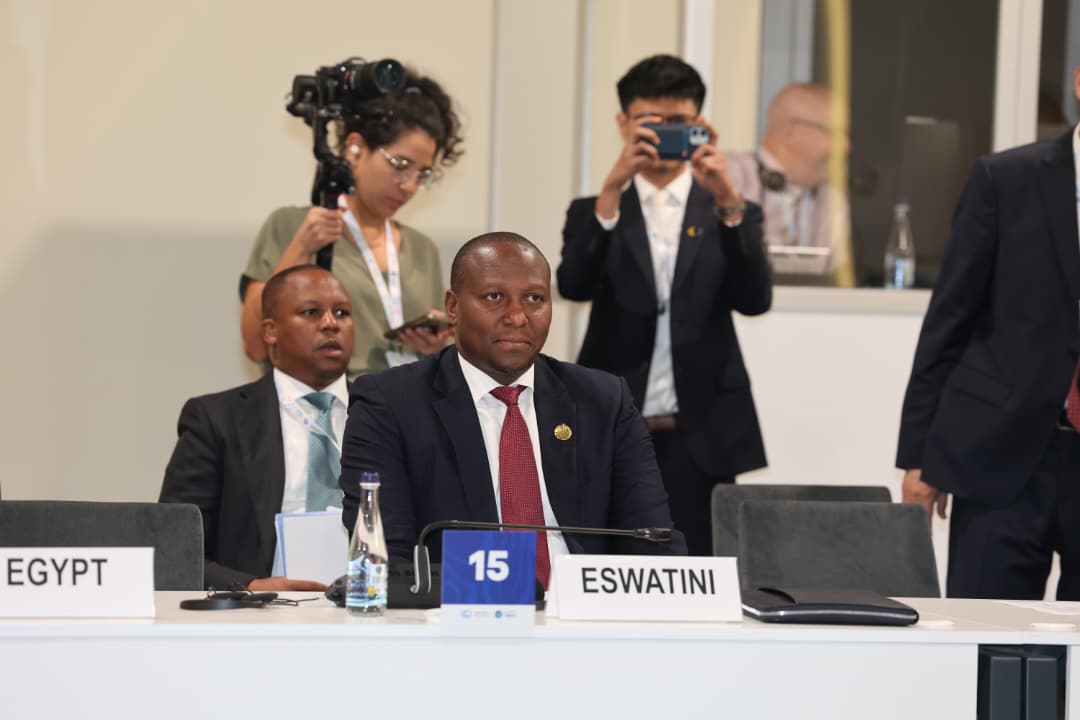
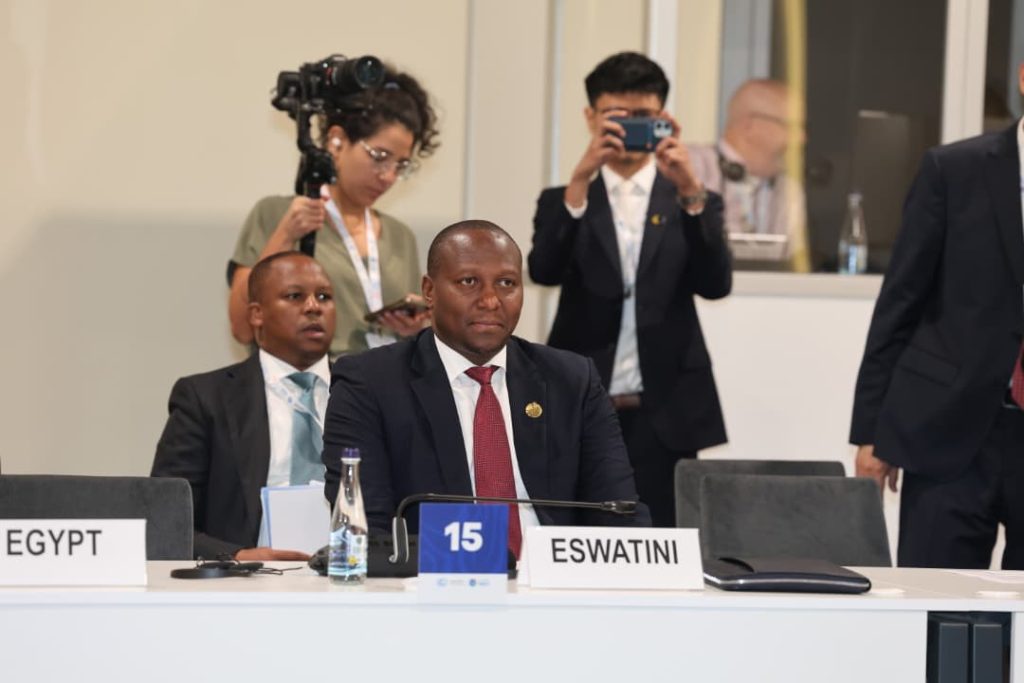
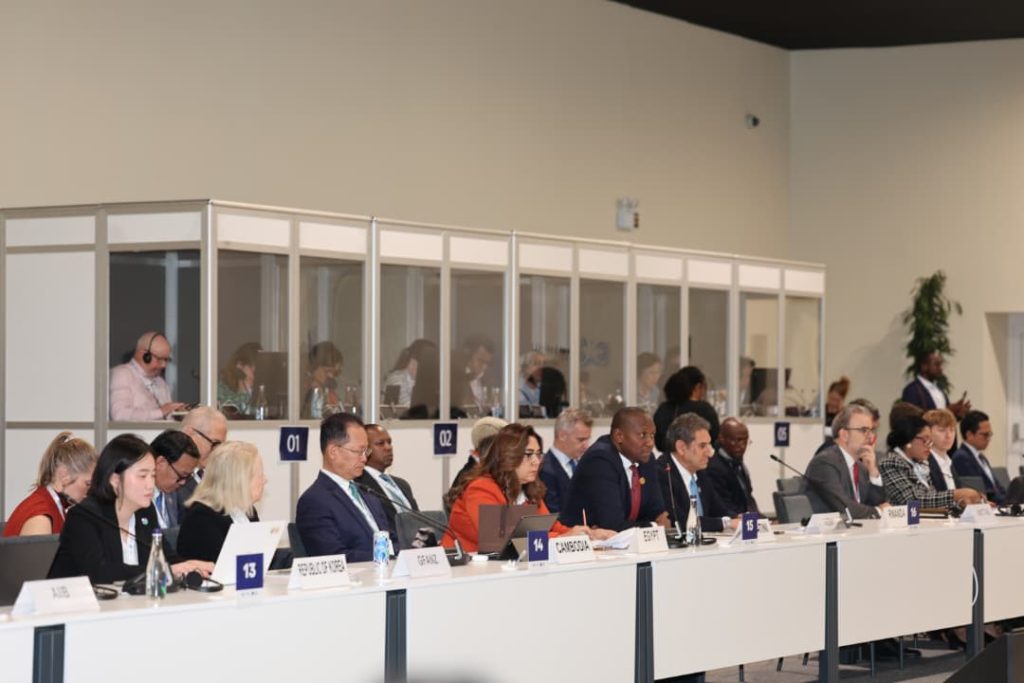
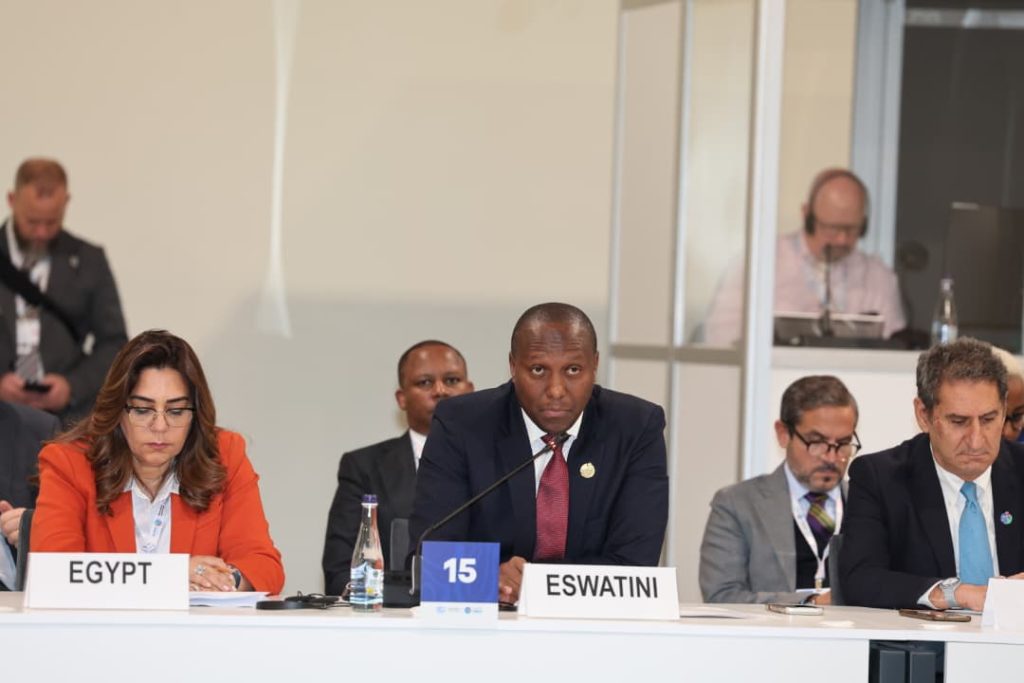
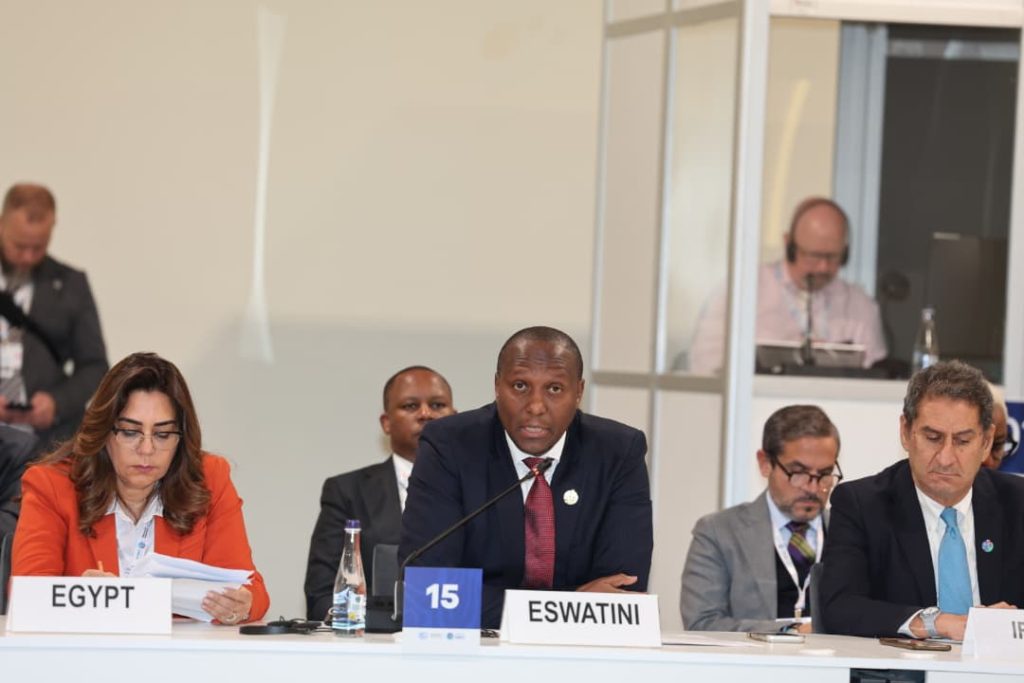
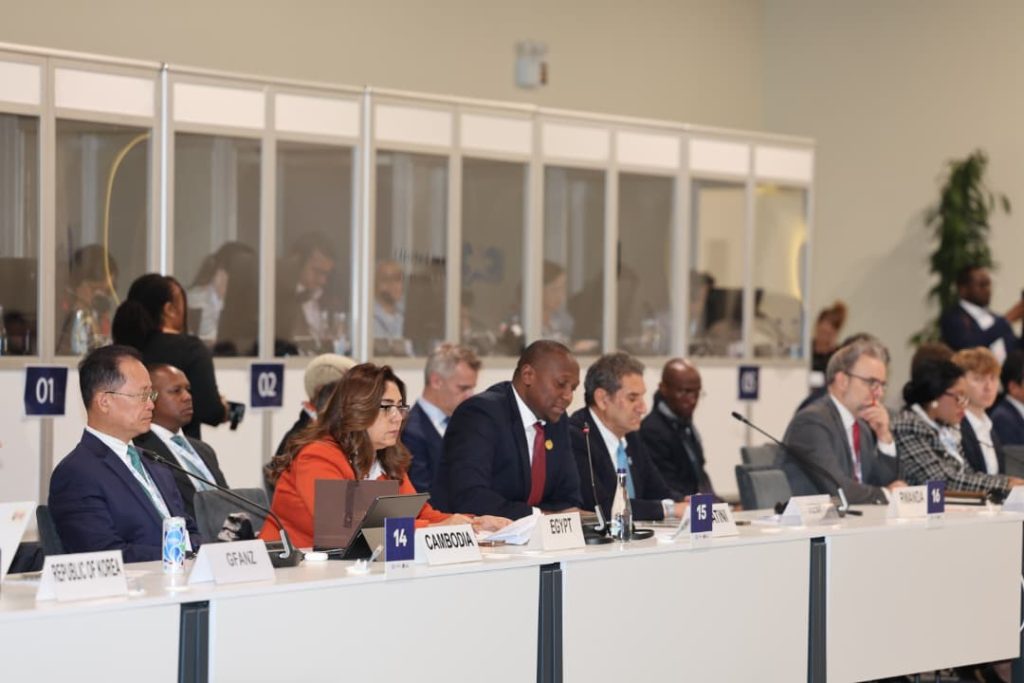
Prime Minister (PM) Russell Dlamini disclosed this during a high-level event on electricity infrastructure in Antalya, Türkiye, yesterday.
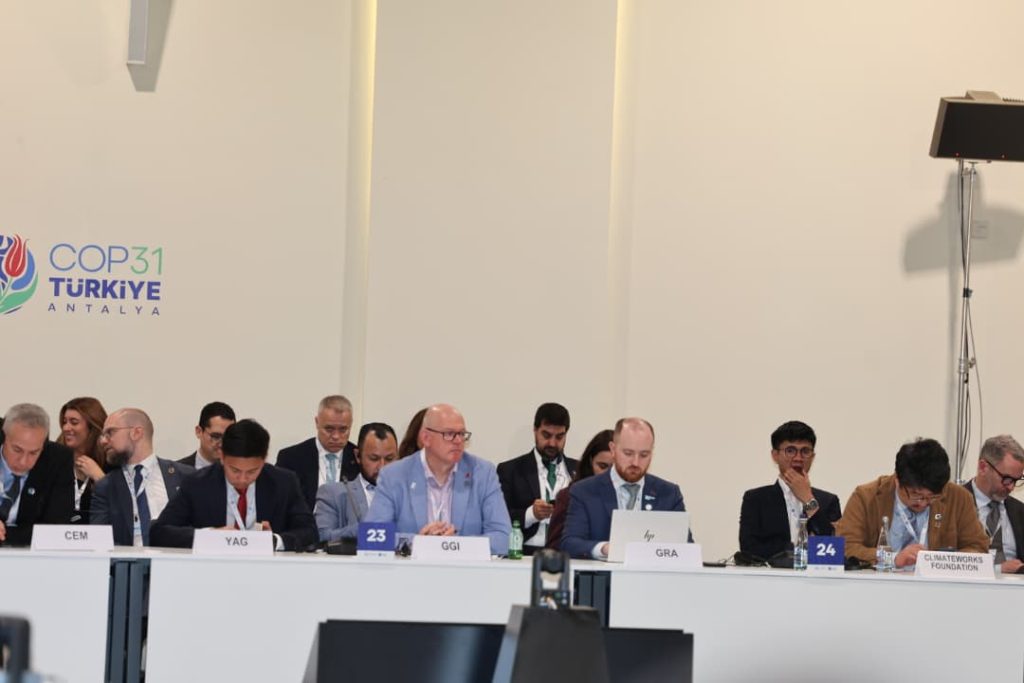
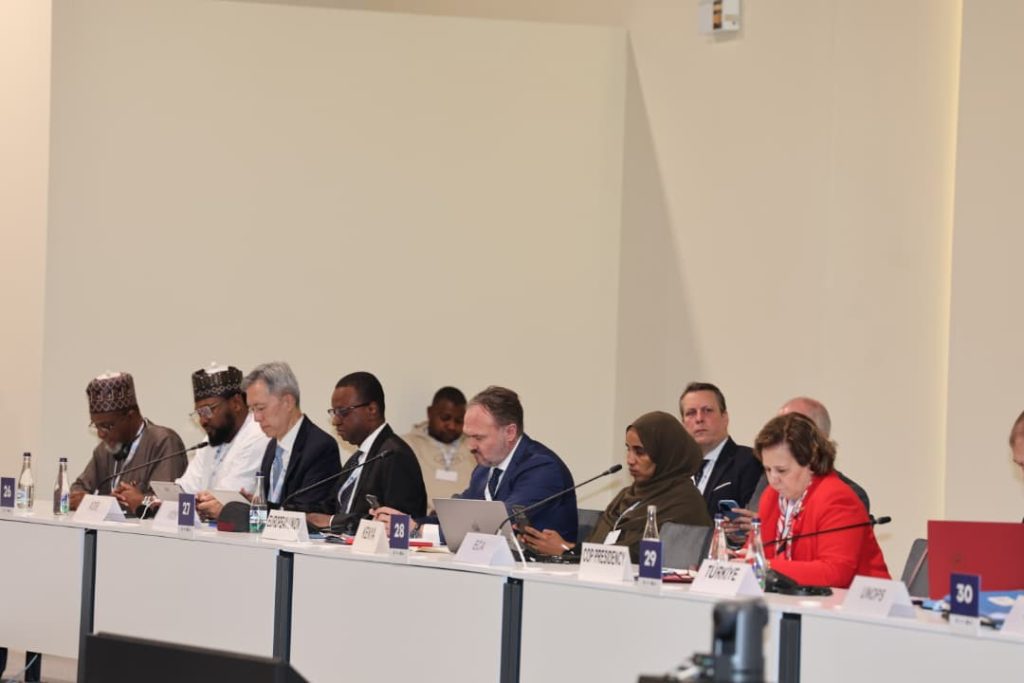
The event, held under the Global Grids Accelerator Initiative, focused on the role of electricity networks in strengthening energy security and economic development.
Dlamini said government was progressively introducing smart meters to improve efficiency, reduce electricity losses and enable eligible consumers to supply surplus renewable power to the grid.
The development forms part of efforts to modernise the country’s electricity infrastructure and accommodate increased renewable energy generation.
Dlamini said the rollout was taking place alongside efforts to strengthen electricity networks and expand the country’s renewable energy capacity.
He disclosed that Government was exploring battery energy storage under the World Bank-supported Accelerating Sustainable and Clean Energy Access Transformation (ASCENT) Project.
The proposed storage systems are intended to improve grid stability and support greater use of Eswatini’s solar energy resources.
Dlamini said the country had implemented the Network Reinforcement and Access Project with support from the World Bank Group.
Government was also advancing the ASCENT Project to improve electricity access and network reliability.
He said these investments were intended to strengthen the country’s electricity infrastructure as demand for reliable power increased.
The premier maintained that generating renewable electricity alone would not guarantee a successful energy transition.
He said countries also needed reliable transmission and distribution networks, energy storage and regional electricity connections to deliver affordable power.
“The global energy transition cannot succeed through renewable energy generation alone. We must also invest in reliable transmission and distribution networks, energy storage and regional interconnections to deliver affordable electricity to our people,” he said.
Dlamini identified electricity as an important driver of industrialisation, agricultural development, employment and improved livelihoods.
He reaffirmed government’s commitment to expanding renewable energy, strengthening electricity infrastructure and achieving universal access.
The PM also highlighted the importance of regional electricity cooperation.
He said Eswatini’s electricity interconnections with South Africa and Mozambique, together with its participation in the Southern African Power Pool, strengthened electricity security and cross-border trade.
Dlamini welcomed the African Single Electricity Market as an opportunity for deeper integration of electricity markets across the continent.
However, he identified the cost of modernising electricity networks as a major obstacle for smaller developing economies.
He called on development banks, international financial institutions and the private sector to expand concessional financing, technology transfer and technical assistance.
The PM urged the Global Grids Accelerator to provide practical support for investment planning, project preparation and implementation.
He maintained that electricity infrastructure development should also benefit rural and underserved communities through grid expansion and decentralised renewable energy systems.
Dlamini said the success of the energy transition should be measured by whether electricity reached households, businesses and industries reliably and affordably.
“I truly believe that our success will be measured not only by how much clean energy we generate, but by whether families, businesses and industries can access it reliably and affordably,” he said.
The PM reaffirmed Eswatini’s willingness to strengthen international partnerships in pursuit of an inclusive energy transition.
He said electricity infrastructure should support economic opportunities, connect industries to markets and improve livelihoods.