

EZULWINI – There is an urgent need to enhance financial access for Micro, Small and Medium Enterprises (MSMEs) in a way that enables their green transition and broader economic contribution.
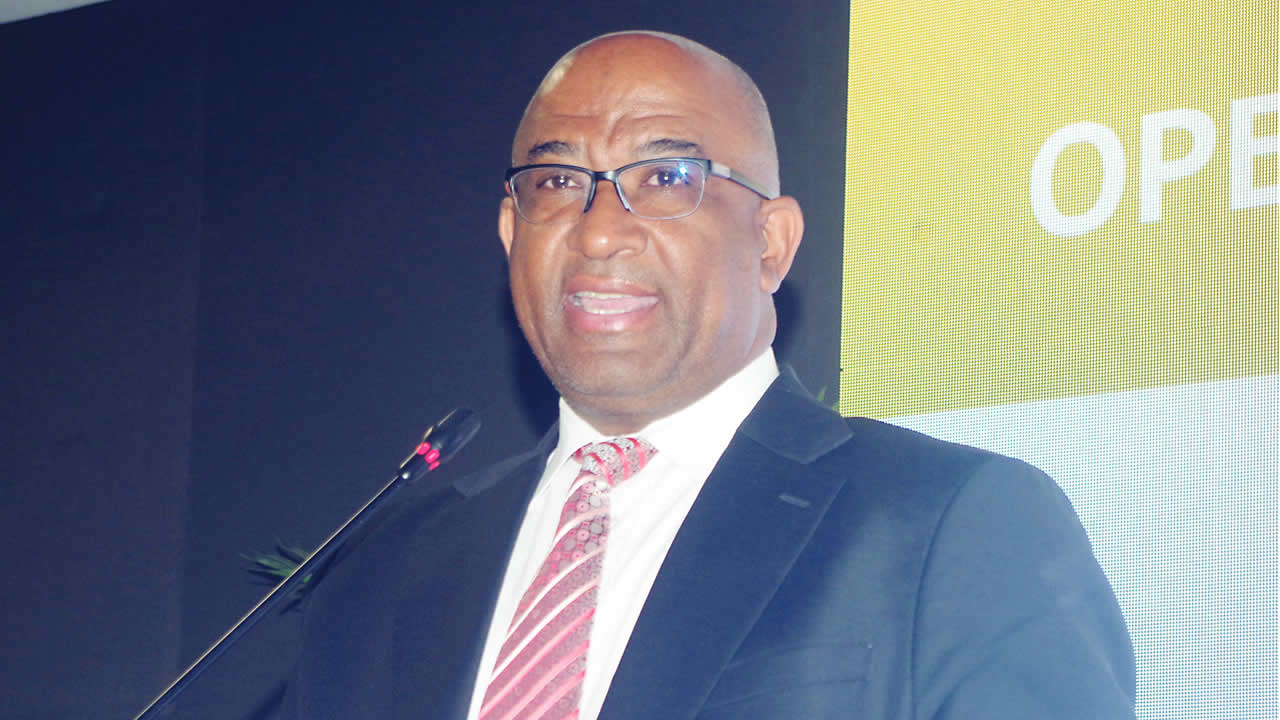
This was the rallying call by Central Bank of Eswatini (CBE) Governor, Dr Phil Mnisi, during the official opening of the regional training on greening of MSMEs and the role of regulators held yesterday at Happy Valley Hotel in Ezulwini.
“In Eswatini, MSMEs loans as a proportion of banking assets (May 2025) account for 19.3 per cent and contribute 3.4 per cent to the country’s GDP. It is clear from these figures that more needs to be done to promote access to finance for MSMEs, not only to help them transition to green practices, but also to be able to scale up their operations,” said Dr Mnisi.
He said MSMEs were disproportionately affected by climate change, which posed serious risks to their sustainability and competitiveness. Dr Mnisi stressed that addressing this required urgent and coordinated action from regulators, policymakers and development partners.
“The MSME sector is a vital engine of employment and innovation. Climate change poses a significant threat to their competitiveness and sustainability—especially in developing countries like ours,” he said.
The governor also acknowledged the efforts of the Alliance for Financial Inclusion (AFI) in supporting its members to promote green finance and sustainable development, particularly through guidance, technical assistance and training.
“I applaud AFI for bringing together regulators in the sub-Saharan African region to learn about the role of financial regulators in greening MSMEs and empowering them to navigate climate mitigation and adaptation,” he stated. On the role of regulators in climate resilience, Dr Mnisi said that while the role of central banks in managing financial risks posed by climate change was increasingly recognised, their role in facilitating green finance needed to be further clarified. He emphasised the importance of integrating climate considerations into financial sector policy and supervision and pointed to the work of other global institutions as useful references.
These included the Financial Stability Board’s Task Force on Climate-related Financial Disclosures (TCFD), the Network for Greening the Financial System (NGFS) – of which the CBE became a plenary member in 2024 – and the Basel Committee on Banking Supervision, which recently published guidance on incorporating physical climate risks into banks’ credit risk models.
Dr Mnisi said that, in addition to regulatory initiatives, Eswatini had hosted an annual Green Indaba Forum to raise awareness among stakeholders. He proposed that countries in the region consider hosting a Regional Green Finance Summit to explore meaningful commitments to mobilise funding and share experiences.
“Empowering MSMEs as agents of change in building an inclusive and sustainable economy requires concerted efforts from policymakers, financial regulators, financial institutions and development partners,” he concluded.




















Leave a comment