

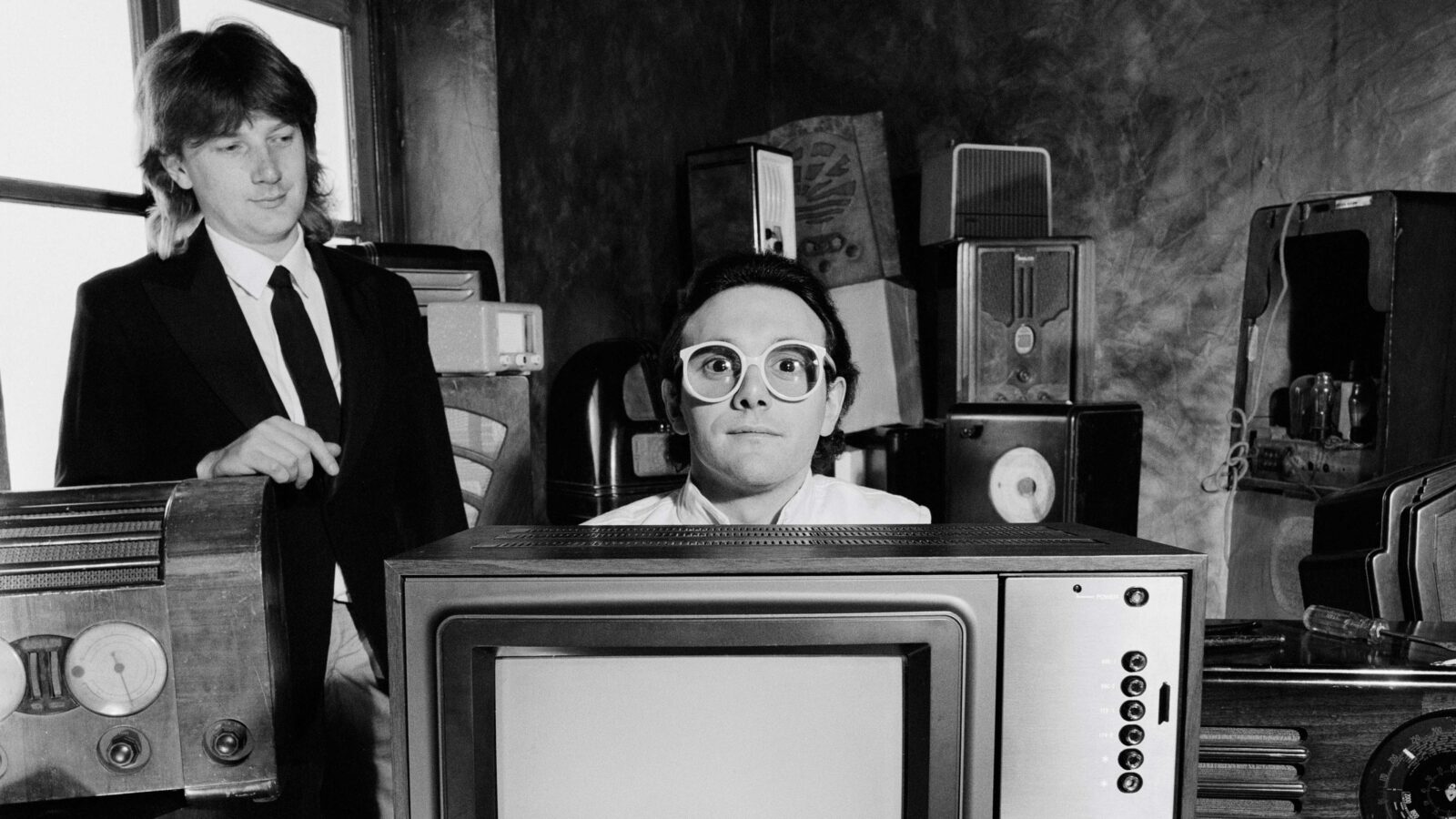
Perhaps one of the more fascinating of modern popular songs was ‘Video Killed the Radio Star’, written and performed many years ago by a group called the Buggles. Not an attractive choice of name, more suited to some obscure skin ailment; but perhaps dreamed up to remind us of arguably the greatest Pop group of the 20th century: The Beatles.
The song is about the impact of the video on the communication systems through which entertainment is taken to the public in the present day, compared with the early decades of the last century. The video did comprehensively take over from radio.
In today’s article, we talk about the video and other contributors to a phenomenon that plays an increasingly dominant part in society: The cult of celebrity. In a cautiously presumptuous frame of mind, I plan a two-part article. This week we look at the impact of celebrities on the ‘man in the street’ (that of course includes women and non-binaries!). Next week, it will be the effect that celebrity has on the celebrities themselves.
Increasingly and especially with the smartphone’s contribution to the expansion of social media, celebrities are exerting a powerful influence on non-celebrities, especially the youth. The influence is created by how celebrities appear, what they say and the way they conduct the public versions of their lives. How celebrities look, especially their hair and their clothes, has a direct impact on global society.
One of the prominent examples of clothing, and how it is worn, is the Eighth Wonder of the World: ‘The Hanging Trousers of Everywhere’. There must have been a celebrity seen with this quite ridiculous affectation. It has crossed continents, achieving nothing other than providing the youthful wearers with a serious problem when ascending a steep flight of stairs.
Prior to the invention of film, celebrity was created largely from societal, military and business status, and specific achievement in sport, scientific and medical invention. Radio and the print media were the prime motivators in this regard. The arrival of the ability to record and retain visual evidence of human behaviour, especially in film, music and sport, broadened and intensified the characteristics of celebrity.
The video enabled the viewer to play many times the impressive aspects or achievements of fellow human beings – sprinting, singing, playing instruments or talking rubbish on reality TV; the perfect facility for developing an unhealthy obsession with celebrity.
A great deal of good and bad can come from the way fans of today will emulate the behaviour of their idols. A celebrity that pursues a life of decent behaviour, healthy food and exercise can have a good and profound effect on the fan base. In one famous incident, footballer Cristiano Ronaldo during a press conference brushed aside a couple of bottles of Coca-Cola and recommended water instead. The price of Coca-Cola shares dropped overnight by 1.6 per cent and the company lost out.
Sales of the highly popular product dipped alarmingly. Celebrities who support important causes automatically strengthen the public support for those causes. The present-day enthusiasm for ‘going to the gym’ has again been positively promoted by those celebrities searching for a healthy and lengthy life. This is sometimes more a vanity trip than a life-extender. It doesn’t matter how much you push weights, unless your pulse rate is sustained at around a minimum of 120 beats a minute for at least half an hour, your cardio-vascular health – heart and blood vessels – stays relatively unaffected.
However, celebrities also have the power and breadth of access to people to be a potentially dangerous influence on the ordinary person, when promoting a careless or even dangerous lifestyle. The most conspicuous example being the liberal use of narcotics. When the famous are seen to embrace the use of alcohol or drugs as normal in their lives, this can influence their fans to adopt similar behaviour.
Non-political celebrities are generally more well-known than the politicians themselves. And because of this, they either independently take the opportunity or are coaxed into doing so, to advocate publicly in support of politicians or specific issues of considerable global interest. This hyper-connected world gives celebrities power and ability to extend influence well beyond their own sphere of entertainment and into areas often way above their own ‘pay-grade’. In the wrong hands, this can be damaging.
They can wield significant economic power too. Taylor Swift’s recent Eras Tour, through consumer spending by fans on travel, hotels and food, produced additional economic activity that matched the GDP of a small nation. There’s celebrity power for you. She is known also for her generosity in supporting good causes. As is Bill Gates. Both are effectively using their celebrity platforms to inspire millions of others to join the fight for justice, equality and other good intentions.
In the final analysis, celebrities should be judged by the commitment they show to transparent authenticity and social responsibility, using their platforms to encourage positive change to make the world a better place.
Of course, celebrities must always be aware that to speak out strongly on issues of which they have scant knowledge is dangerous and potentially harmful. The actor, Brad Pitt, was once asked what he thought China should do about Tibet. He answered: “Who cares what I think China should do? I’m an actor; I’m a grown man who puts make-up on.”


















Leave a comment