

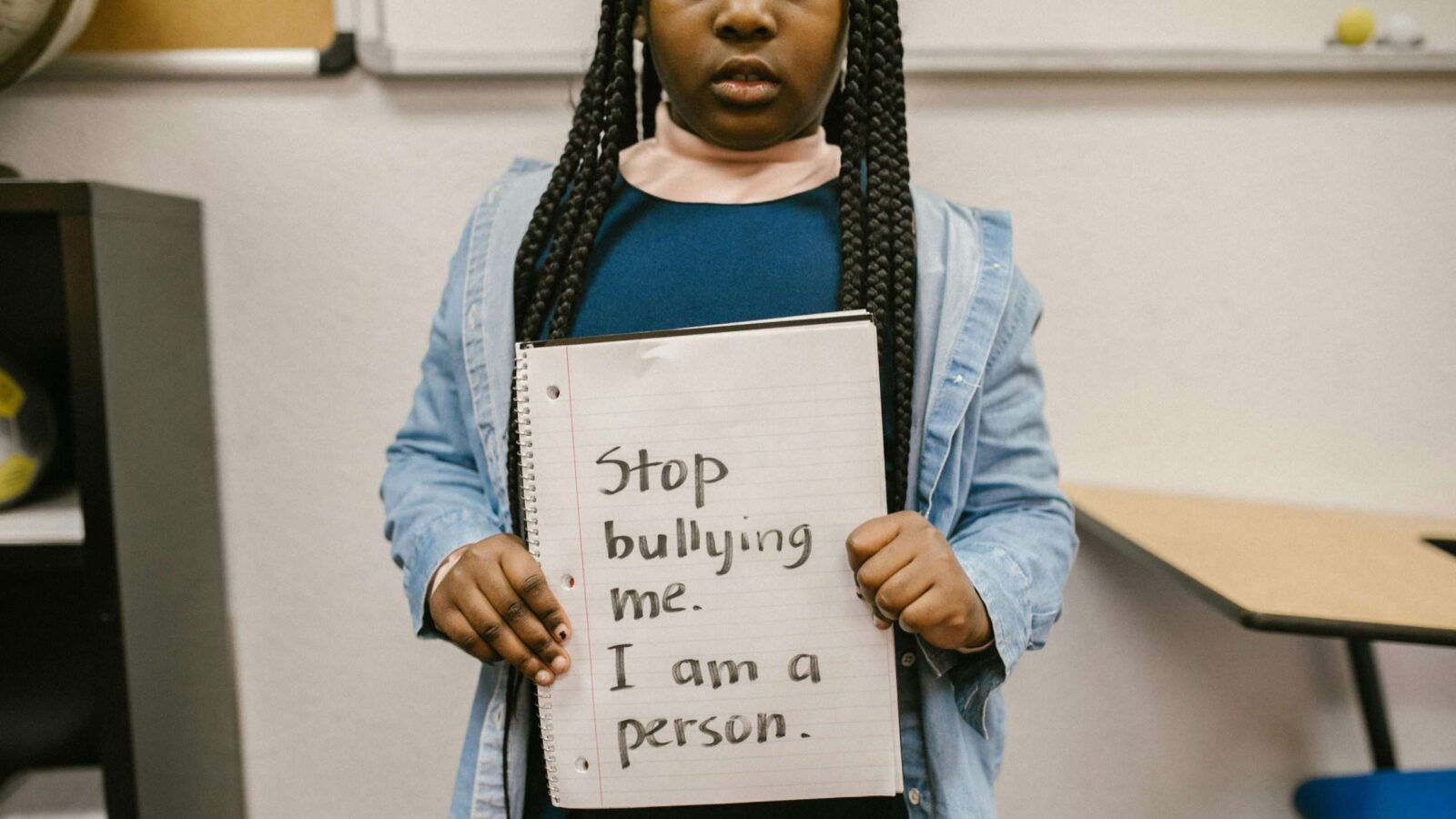
A few weeks ago, I was greeted at the door by my son – a bright, sensitive little boy in Grade II, tears streaming down his face and a massive bump rising on his forehead. He had been pushed into a metal pole at school by a fellow learner. This wasn’t the first time. He has come home with scratches on his arms, bruises on his legs and wounds that couldn’t be explained by regular playground activity. As a mother, it has become increasingly difficult to accept that these injuries are part of normal school life. They are not. They are evidence of bullying.
My son attends one of the most well-known primary schools in Manzini. Like many parents, I had hoped that placing him in a reputable institution would provide a safe and nurturing environment—an extension of the protection he gets at home. Instead, he is growing familiar with fear, caution and pain. I, in turn, am growing familiar with the heartbreak that comes from being unable to shield him during school hours.
What hurts the most is knowing that the child who hurt my son is probably hurting too. Research and experience consistently show that children who bully often come from homes where violence is the norm. They may be scolded with belts instead of words, ridiculed instead of reassured, ignored instead of embraced. In their young minds, aggression becomes a language—a way to feel powerful, heard or in control. However, when this unhealed pain is brought to school, it spills over onto children like mine, who become the unintended victims of cycles they did not create.
This is not a call to demonise the bullies. It is a plea to their parents and guardians to do better.It is easy to blame the school and certainly, schools must take bullying seriously. However, what happens inside a school’s gates is often just the tip of the iceberg. What we really need is a cultural shift that begins in our homes. We need parents who are willing to look inward and reflect on the type of emotional environment they are creating for their children. Children absorb more than we think. They learn how to handle frustration, conflict and authority by watching how we do it. If shouting, hitting and belittling are normal at home, it is unlikely a child will behave with kindness and empathy at school.
As parents, we also need to be brave enough to listen to our children. When a child says they’re being bullied, we must resist the urge to minimise their pain. ‘Boys will be boys’ or ‘That’s how children toughen up’ are outdated and harmful ideas. No child should learn resilience by being repeatedly humiliated or physically harmed. There are better ways to teach strength, ways that preserve their confidence and dignity.
I also want to speak to the parents whose children are the ones causing harm. Don’t be quick to defend your child blindly. Be willing to have hard conversations with them. Ask them why they feel the need to hurt others. Ask yourself if there is something in their environment that is fuelling their behaviour. Do not shame them, but do not excuse them either. Help them unpack their feelings. Get professional help if necessary. Your silence may be protecting your child in the short term, but it is enabling harmful behaviour in the long term, behaviour that could destroy someone else’s self-worth.
To the schools, I say: Bullying is not a ‘discipline issue’, it is a mental health issue, a social issue and a deeply emotional one. We need structured anti-bullying programmes, peer support systems, teacher training and most importantly, safe spaces where children can report their experiences without fear of retaliation. Children need to be taught about empathy and emotional regulation just as much as they are taught Math and English.
My son is still healing, not just from the bump on his head, but from the confusion and fear that comes with being mistreated by a peer. I am doing everything I can to support him, to reassure him that he is loved, strong and worthy of safety. But I shouldn’t have to do this alone. I need other parents, other educators and the entire school system to take this issue seriously.
However the truth is, bullying doesn’t just break the skin. It breaks spirits, it dims bright eyes and it erodes the confidence of children who deserve to thrive. If we want to raise a kinder, more respectful generation, it starts with us – the adults in the room.
Let’s do better. For our children’s sake. For everyone’s children’s sake.



















Leave a comment