

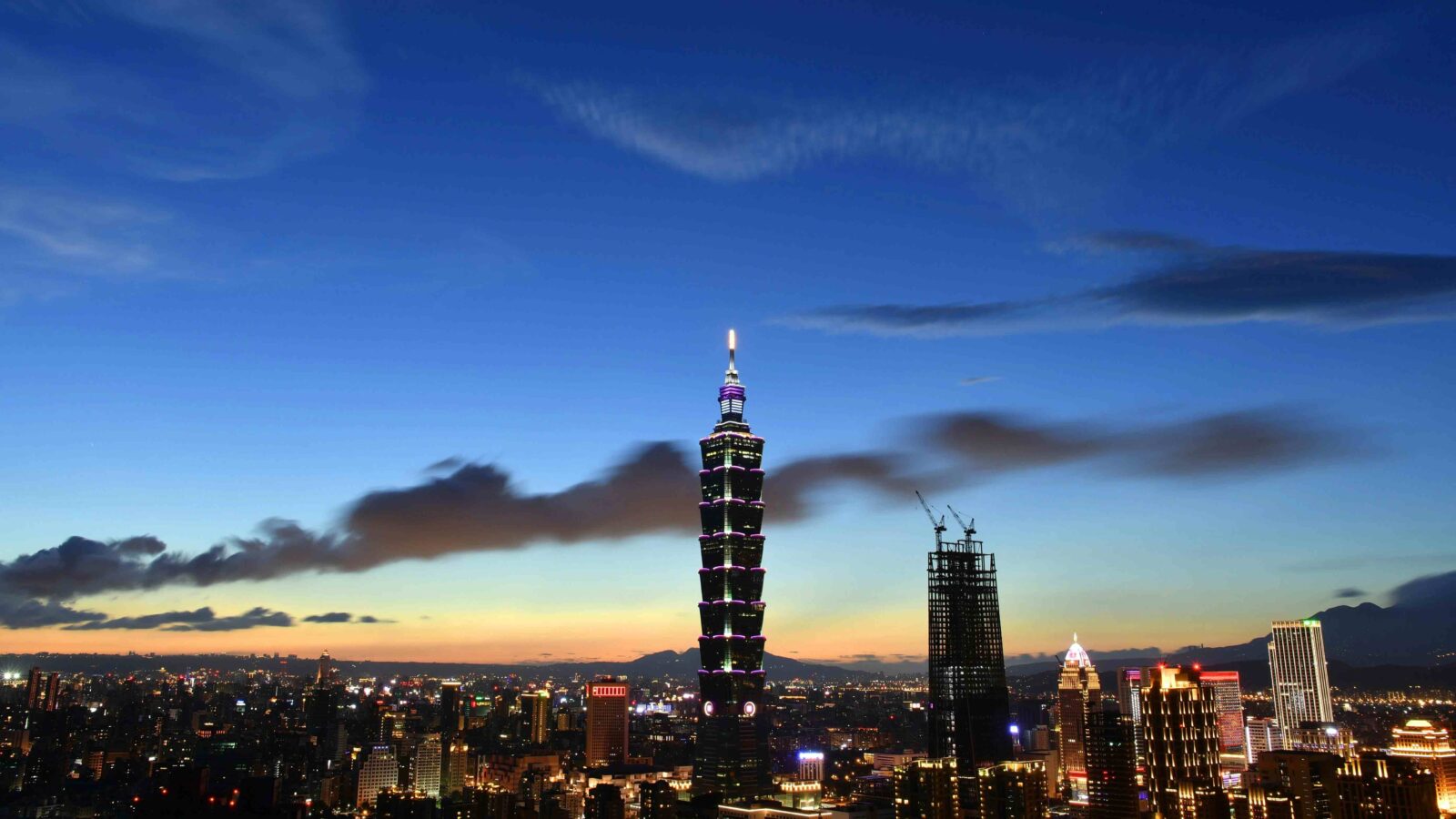
With the country tasked with delivering on His Majesty the King’s call for economic transformation, the local economic landscape has new wings propelled by Taiwanese investment winds, that are set to leave a trail of boon in their wake.
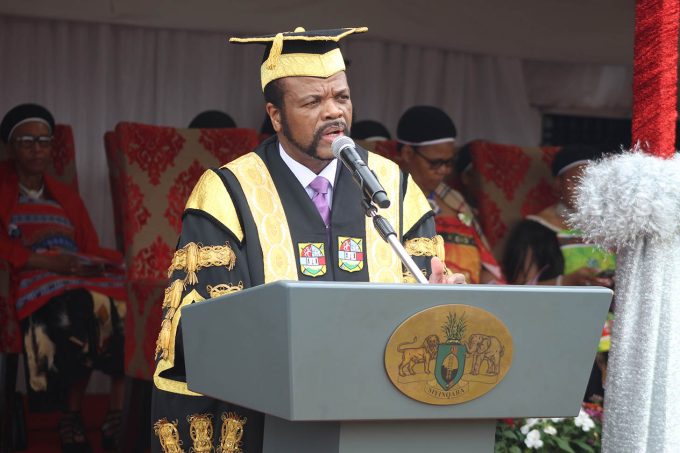
The King has launched a E6 billion Industrial Park initiative to be driven by Taiwanese investment in the kingdom. The project, which will sit on land provided by the kingdom, is designed to replicate Taiwan’s successful industrial zone model.
On paper, it ticks all the boxes to qualify as an economic game-changer. Could this be a catalyst for our industrialisation agenda? To answer that question, one needs to take a close look at Taiwan’s industrial zones, including Export Processing Zones (EPZs) and science parks, to create a better understanding of what the Taiwanese are trying to do here.
The ‘coded geeks’ have found that Taiwan’s Industrial Zones (EPZs) have significantly impacted the country’s economy, contributing to nine per cent of its total exports in the 1970s. By 1980, EPZs employed over 80 000 workers, many in labour-intensive industries like textiles and electronics.
Foreign direct investment (FDI) attraction is said to have been significant, with the Kaohsiung EPZ alone attracting over US$500 million (about E8.7 billion) in FDI, in its first two decades.
The Hsinchu Science Park (HSP) is a high-tech hub, generating 10 per cent of Taiwan’s gross domestic product (GDP) and dominating semiconductor production.
In 2022, HSP’s exports exceeded US$150 billion (about E2.6 trillion), driven by IC design, manufacturing and electronics. Over 20 per cent of Taiwan’s total research and development (R&D) expenditure occurs in HSP.
Furthermore, Taiwan’s science parks are said to have contributed to economic growth and employment, with the combined revenue of the three major science parks reaching US$370 billion in 2023. These parks employ over 300 000 high-skilled workers, with average salaries 30 per cent higher than the national median. Over 1 500 tech firms operate in these parks, including global leaders like MediaTek and ASUS.
Taiwan’s industrial zones have helped it become number one in global semiconductor production and fourth in global electronics manufacturing. They also helped Taiwan become one of the top five in patent filings per capita, due to R&D clusters in science parks.
In order to replicate Taiwan’s industrial zone model, Eswatini must closely examine the key policies that enabled the successful implementation of this model. Highlighted as important steps include: Phased development, government support as a facilitator, linking education and industry to build talent, fostering local supply chains, adapting policies over time and specialising zones for targeted industries.
If we are to follow the successful Taiwan path, key steps for replicating this model include starting with EPZs for jobs/exports, upgrading to tech parks with R&D, linking education to industry and avoiding over-reliance on FDI by nurturing local firms. Countries like Vietnam and India are said to be already applying these lessons to their economies.
I have no doubt that this project will succeed because the work ethic of our good friends is world-class. Notably, this investment will increase the footprint of Taiwanese businesses in the country. As disclosed by Taiwanese Ambassador to Eswatini, Jeremy Liang this week, over US$100 million (E1.85 billion) has been invested by Taiwanese businesses in Eswatini and these have created around 13 000 jobs across key industries.
Speaking at the Taiwan-Eswatini Investment Workshop, Liang, highlighted the country’s strategic role as Taiwan’s most important diplomatically in Africa and its ideal gateway for Taiwanese enterprises to access emerging markets.
“The Taiwan Industrial Park project is not just about infrastructure. It is about transferring Taiwan’s experience to upgrade local industries, create job opportunities and support the global strategies of Taiwanese enterprises, creating a win-win outcome,” said Liang.
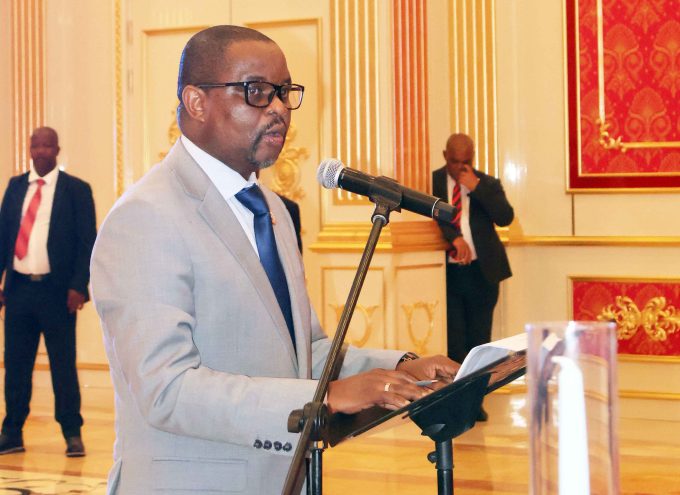
Also speaking at the workshop, the Minister for Commerce, Industry and Trade, Manqoba Khumalo, described Taiwan as a vital economic partner and a key player in the global supply chain. He said the proposed Taiwan Industrial Park aligns with Eswatini’s upcoming investment and trade policy reforms and the fully operational Business-One-Stop-Shop (BOSS) to facilitate business entry and establishment. They must, and we look forward to it because the need to diversify our economy continues to ring loudly in our ears but lacks the much-needed implementation.
Economists are urging government to diversify its revenue sources, as the Southern African Customs Union (SACU) revenue is decreasing. Sanele Sibiya, an Economics Lecturer at the University of Eswatini, emphasised the need for a diverse economy married to financial discipline. In an interview with the Times of Eswatini this week, Sibiya said he sees opportunities for stabilising resources and reducing expenditures. The World Bank’s ‘Raising the Game with Efficient State-Owned Enterprises Report’ suggests public finances are highly vulnerable to SACU revenue volatility, so any increase in receipts should be carefully managed to mitigate future revenue shocks. True.
In fact, we have much to learn from the Taiwanese when it comes to knowing how to make money, save it and where to spend it in order to grow an economy. As His Majesty said on Wednesday night during the launch of the E6 billion Taiwanese investment initiative, our long-time friends are an industrialised nation with much to share with the world. Therefore, let us heed this call to learn, emulate and transform Eswatini.
















Leave a comment